2026 Best Blister Card Packaging Machine Options for Efficient Production?
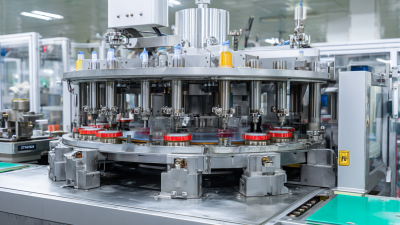
In the fast-paced world of packaging, the blister card packaging machine stands out as a vital tool for manufacturers. These machines enhance efficiency by streamlining production processes. They allow businesses to create visually appealing packages while ensuring product safety. However, selecting the right blister card packaging machine requires careful consideration.
With various options available in 2026, the choices can be overwhelming. Each machine offers different features and capabilities that can influence production outcomes. Manufacturers must assess their specific needs before making a decision. Are they looking for speed, versatility, or maybe compact design? The answers to these questions can identify the best fit.
Moreover, the technology behind blister card packaging machines is constantly evolving. This progress can lead to better performance and reliability. Yet, it also raises concerns about the longevity of certain models. Investing in outdated technology might hinder production efficiency in the long run. Therefore, while evaluating options, being aware of future trends is crucial.
2026 Trends in Blister Card Packaging Machine Technology
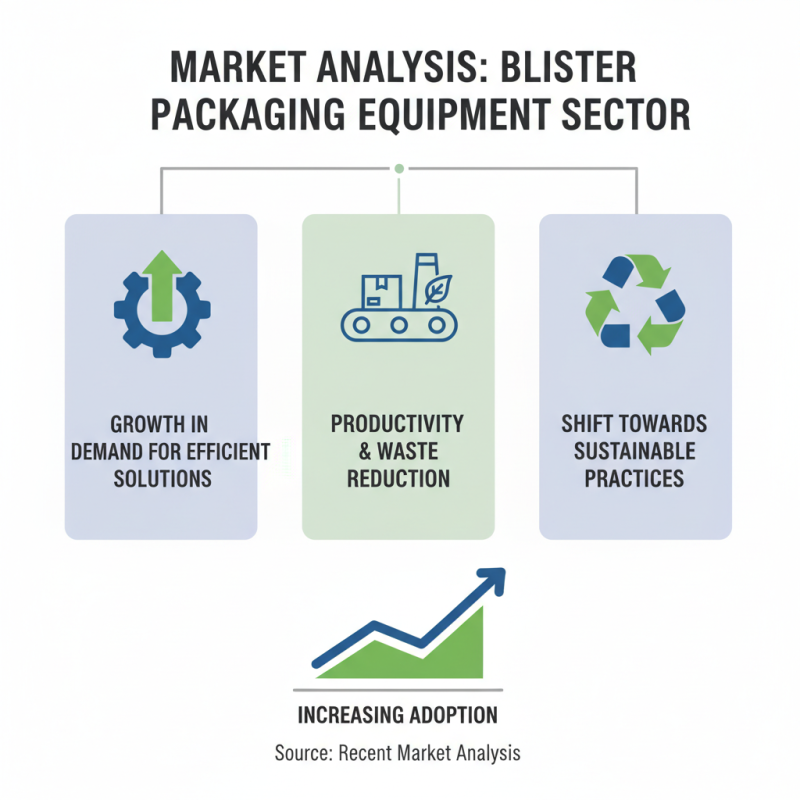
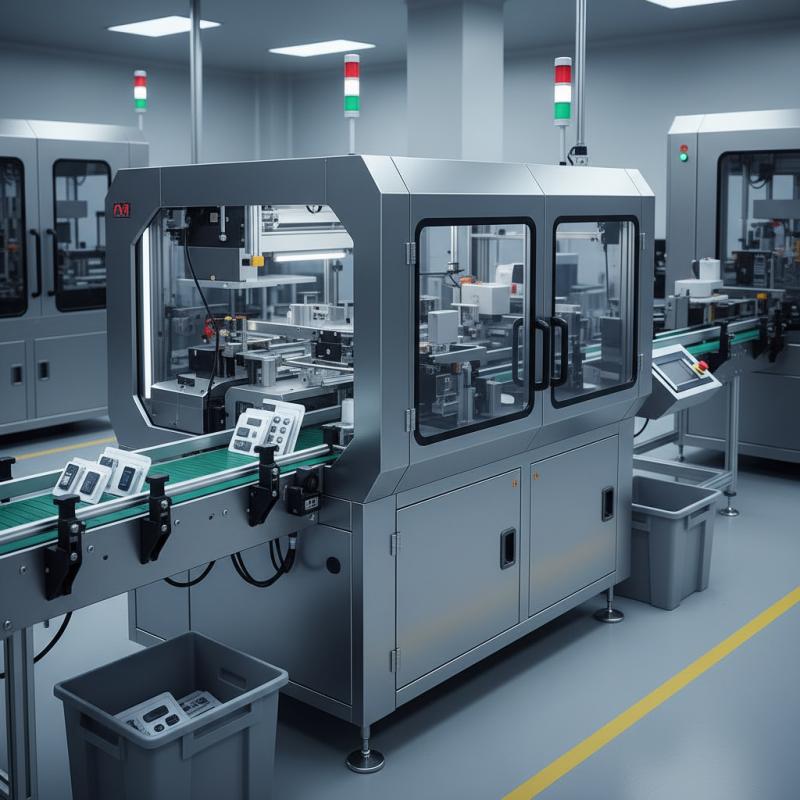
The blister card packaging machine sector is undergoing significant transformation in 2026. Industry reports indicate a growing shift toward automation and smart technologies. According to a recent study, automated machines can increase production efficiency by up to 30%. Manufacturers are adopting this trend to remain competitive in a fast-paced market.
Sustainability is another critical trend shaping the technology landscape. A report by Packaging Strategies reveals that 65% of companies are prioritizing eco-friendly materials and processes. This shift not only meets consumer demand for sustainability but also aligns with regulatory pressures. Nonetheless, transitioning to greener options is often fraught with challenges. Businesses must balance cost while maintaining product quality and efficacy.
Integration with advanced data analytics is vital for optimizing production. Machines equipped with IoT functionality enable real-time monitoring and predictive maintenance. This capability can reduce downtime and enhance output quality. Despite its benefits, many manufacturers struggle with the initial investment costs and the complexities of implementation. The industry's journey towards a tech-driven future is promising, yet it requires thoughtful navigation of these obstacles.
2026 Best Blister Card Packaging Machine Options for Efficient Production
This chart illustrates some key performance metrics for blister card packaging machines projected for 2026, showing speed, efficiency, cost, and maintenance frequency. These factors are critical in determining the best options for efficient production in the industry.
Key Features of High-Performance Blister Card Packaging Machines
When selecting a blister card packaging machine, focus on key features that drive efficiency. High-performance machines must have quick changeover capabilities. This minimizes downtime during production shifts. Fast cycling speeds enhance throughput, making operations smoother. Operators appreciate user-friendly interfaces. These reduce training time and boost productivity. Many machines now come with touchscreens that are intuitive and easy to navigate.
Another vital aspect is the machine's build quality. Sturdy construction often indicates reliability and longevity. Look for machines that incorporate advanced sealing technologies. Effective sealing prevents contamination, ensuring product integrity. Additionally, consider machines with integrated quality control systems. These systems help monitor the packaging process in real-time. Maintenance can be a tricky area too. Machines that require frequent upkeep can disrupt production. Selecting a model with low maintenance needs can save time and resources.
In reflecting on your options, think about the scalability of the machine you choose. As production needs grow, your packaging solution should adapt. Companies often miss this critical aspect, leading to costly bottlenecks. Investing in machines that can evolve with your production requirements is wise. Balancing technology and practicality is key to making an informed choice in blister card packaging.
2026 Best Blister Card Packaging Machine Options for Efficient Production
| Machine Model |
Speed (Units/Min) |
Power Consumption (KW) |
Degree of Automation |
Control System |
Material Compatibility |
Price Range ($) |
| Model A |
90 |
3.5 |
Automatic |
PLC |
PVC, PET |
15,000 - 20,000 |
| Model B |
120 |
4.0 |
Semi-Automatic |
Touchscreen |
PETG, PVC |
18,000 - 25,000 |
| Model C |
80 |
2.8 |
Fully Automatic |
PLC & HMI |
PVC, PS |
12,000 - 17,000 |
| Model D |
110 |
3.0 |
Automatic |
PLC |
PET, PP |
16,000 - 22,000 |
Cost Efficiency: Analyzing ROI of Blister Card Packaging Solutions
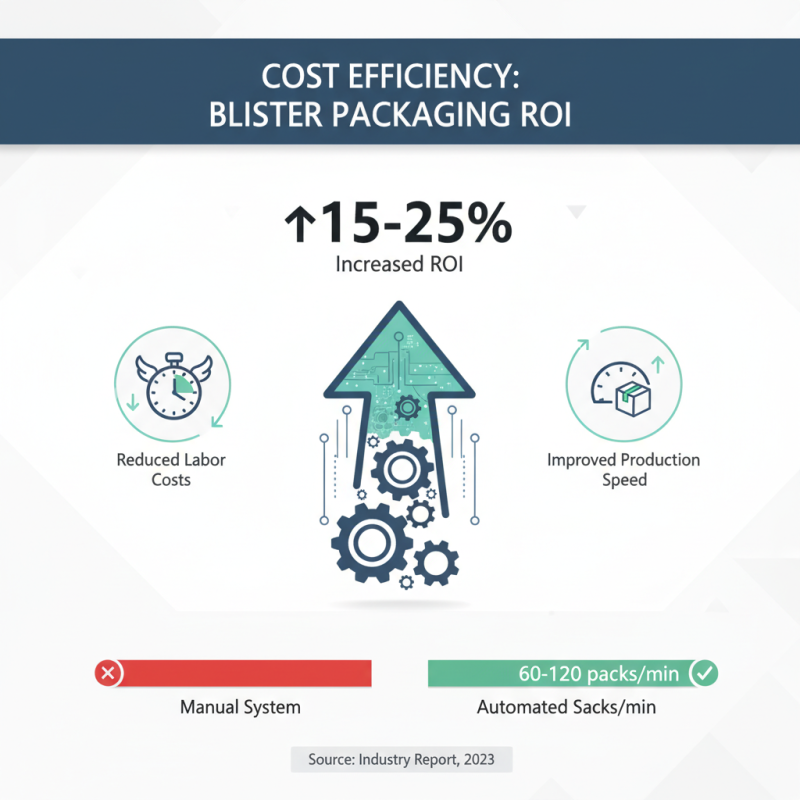
In today's competitive packaging industry, the financial implications of blister card packaging solutions are critical. A recent report highlighted that companies can improve their ROI by 15-25% through automated blister packaging systems. This increase is attributed to reduced labor costs and improved production speeds. Efficient machines can output between 60 to 120 packages per minute, significantly enhancing productivity.
However, investing in advanced packaging technology comes with challenges. Initial costs can be daunting, often representing a substantial upfront investment. Companies must weigh this against potential savings in labor and materials. A study found that while 70% of manufacturers recognize the need for better technology, only 30% actively invest due to uncertainty about ROI timelines. It's essential that businesses conduct thorough analyses to determine the long-term benefits of efficiency versus initial costs.
Blister card packaging, while effective, isn't without pitfalls. Companies face potential material waste during production. Inadequate machine calibration can lead to poor sealing, affecting product integrity. Regular maintenance is crucial to avoid these issues, adding another layer to the overall cost structure. Understanding these aspects helps businesses make informed decisions about investing in blister card packaging machinery.
Environmental Impact: Sustainable Practices in Blister Packaging Production
The blister packaging industry is evolving. Sustainability is becoming a vital focus. Many companies are adopting eco-friendly practices. Over 60% of consumers prefer sustainable packaging. This trend pressures manufacturers to rethink their operations.
Recyclable materials are now crucial. According to recent reports, 40% of blister packs are made from materials that can be recycled. The industry aims to improve this number. Flexible plastics and paper alternatives are gaining traction. However, there's a challenge in maintaining product integrity.
The production process also impacts the environment. Energy consumption during manufacturing can be significant. A recent study shows that improving energy efficiency in packaging can reduce carbon footprints by 30%. Companies need to invest in technology that minimizes waste. While some progress has been made, many manufacturers still fall short. The journey toward sustainable blister packaging requires continuous effort and reflection.