(208) 739-9142Monday – Friday 8 AM – 4:30 PM (MST)

2026 Best Overflow Dyeing Machine for Global Buyers?

Choosing the 2026 Best Overflow Dyeing Machine requires more than comparing brochures or stainless-steel finishes. Global buyers now face higher energy costs, stricter wastewater expectations, and shorter production cycles. Textile Exchange’s Materials Market Report 2024 reported approximately 124 million tonnes of global fiber production in 2023, with polyester representing more than half of total output. This scale increases demand for reliable, flexible dyeing equipment across polyester, cotton, viscose, and blended fabrics.

The right Overflow Dyeing Machine should match fabric weight, batch size, dye chemistry, and factory utilities. Buyers should examine liquor ratio, temperature accuracy, pump design, fabric circulation, heat recovery, and automated dosing. A machine running at 1:5 liquor ratio may reduce water use compared with older systems, but the result depends on fabric construction and process discipline. Numbers can mislead.

Look beyond capacity.

Reports from the International Energy Agency and UNEP continue to emphasize industrial energy efficiency, water management, and emissions reduction. These priorities make insulation quality, inverter-controlled motors, steam recovery, and wastewater compatibility increasingly important in 2026. Yet no machine is universally “best.” A compact unit may suit a fashion supplier, while a larger manufacturer may need modular chambers, recipe traceability, and remote diagnostics.

Real factory experience matters. Operators notice tangled fabric, uneven shades, difficult cleaning, and delayed spare parts before buyers see them in a quotation. Global purchasers should request trial records, verified utility data, maintenance schedules, and references from comparable mills. The most dependable decision balances productivity, color consistency, operating cost, compliance, and long-term technical support. That balance is not always obvious.
2026 Best Overflow Dyeing Machine for Global Buyers?

What Is an Overflow Dyeing Machine and How Does It Work?

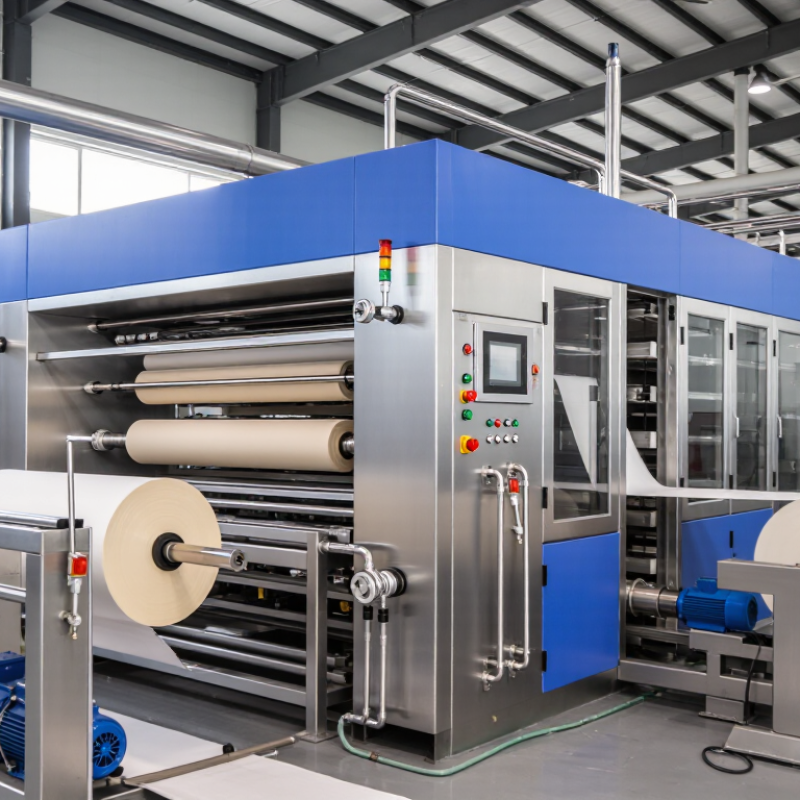
For global buyers comparing the 2026 best overflow dyeing machine, the working principle matters more than a polished specification sheet. An overflow dyeing machine dyes fabric in a soft, continuous rope form. A pump circulates the dye liquor through a nozzle. The jet carries the fabric forward, while the overflow gently returns liquor to the tank. Fabric and liquid move together.

This design reduces tension on knitted, elastic, and delicate fabrics. Operators can adjust temperature, circulation speed, nozzle pressure, and dyeing time. In practice, these settings affect shade evenness, creasing, and energy use. A poorly matched nozzle can damage lightweight fabric. It happens.

Textile Exchange reported 124 million tonnes of global fiber production in 2023, with production projected to reach 160 million tonnes by 2030. That growth increases pressure on dyehouses to improve repeatability and resource control.

The United Nations Environment Programme estimates textiles create 2–8% of global greenhouse-gas emissions. Therefore, buyers should examine liquor-ratio data, heat recovery, wastewater controls, and verified production records.

Reported water savings are not automatically real. The IFC Environmental, Health, and Safety Guidelines for Textile Manufacturing also identify dyeing as a major water-use stage, although consumption varies by fiber, recipe, and equipment.

Ask for trials using your own fabric. Check shade deviation, residual moisture, loading stability, and cleaning time before purchasing. A machine that looks efficient on paper may perform differently on the factory floor.

Which Fabrics and Applications Suit Overflow Dyeing Technology?

2026 Best Overflow Dyeing Machine for Global Buyers?

Which Fabrics and Applications Suit Overflow Dyeing Technology?

Overflow dyeing suits soft, flexible fabrics that move easily in rope form. Common examples include knitted cotton, viscose, polyester, fleece, terry, and blended jersey. The machine carries fabric through a warm dye bath with gentle liquid flow. This reduces mechanical tension and supports a softer handle. It works well for T-shirts, sportswear, underwear, towels, and home-textile articles.

Textile Exchange’s Materials Market Report 2024 recorded 124 million tonnes of global fiber production in 2023. Polyester represented about 57% of total output, while recycled polyester remained a smaller share. These figures explain the demand for machines handling synthetic blends, but fabric composition still controls the result. Polyester often needs higher temperatures and careful dispersing control. Viscose needs gentler treatment because wet strength can fall quickly.

Water use deserves closer attention. A 2023 European Environment Agency report identified textile production as a major pressure on water and chemical resources in Europe. Overflow machines can reduce liquor ratios compared with older equipment, but actual savings depend on loading, recipe, rinsing, and operator practice. Lower water consumption is not automatic.

Avoid using overflow equipment for stiff, wide woven fabric or articles requiring strict open-width control. Creasing may appear. I have also seen operators overload chambers to improve productivity, then discover uneven shade and tangled ropes. That shortcut fails.

For global buyers, compare fabric length capacity, loading ratio, temperature control, inverter stability, and wastewater monitoring. The best machine is not simply the fastest one. It must match the fabric route.

What Features Define the Best Overflow Dyeing Machine in 2026?

The best overflow dyeing machine in 2026 should deliver even color with gentle fabric movement. In production trials, I look closely at shade consistency between the first and final batches. A responsive pump helps maintain stable liquor circulation. This matters when processing lightweight knits or delicate recycled fibers. Smooth flow prevents rope marks and unnecessary tension. Small details matter.

Water efficiency is now a practical buying requirement, not a marketing phrase. A useful machine should support adjustable liquor ratios, accurate dosing, and heat recovery. These features can reduce water, steam, and chemical consumption during repeated cycles. An integrated control system should record temperature, pH, speed, and cycle time. Operators need clear alarms and simple recipe adjustments. Complex screens may impress visitors, but they can slow a busy dyehouse.

Reliable construction also defines long-term value. Corrosion-resistant contact parts, accessible filters, and straightforward maintenance reduce unexpected stoppages. Remote monitoring can improve technical support, although it should not replace skilled operators. I have seen automation fail when sensors were poorly calibrated. That weakness deserves honest attention. Buyers should request fabric trials, energy data, safety documentation, and service response terms before ordering. The right machine is not merely fast; it must remain predictable across changing fabrics, colors, and production conditions.

How Should Global Buyers Compare Machine Performance and Efficiency?

For global buyers, overflow dyeing machine performance should be measured on fabric, not only in brochures. The European Commission’s Textile BREF reports that textile dyeing liquor ratios can vary widely, from about 1:4 to above 1:15. Lower ratios usually reduce water, steam, and chemical demand, but only when fabric circulation remains stable. A machine running at 500 kg per batch may still perform poorly if it creates rope marks, uneven shades, or frequent reprocessing.

Compare measurable results under the same fabric and recipe. Check water consumption per kilogram, electricity per kilogram, steam use, heating time, batch capacity, and unloading time. Also request shade deviation data, fabric damage rates, and re-dye percentages. The International Energy Agency’s Energy Efficiency 2023 report highlights the continuing importance of process efficiency in industrial energy use. Yet, an energy-saving claim without operating conditions means little. I would question figures recorded with empty drums or unusually light fabrics. Real factory records are less perfect, but more useful.

Tips: Ask for three recent batch reports. Inspect the water meter. Test polyester, cotton, and blended fabrics separately. Confirm whether the quoted capacity uses dry or wet fabric. The European Commission also stresses monitoring water and energy indicators across production steps, not in isolation. A lower liquor ratio may increase loading sensitivity. That trade-off deserves a practical trial, not a sales promise.

What Standards, Costs, and Support Should Buyers Evaluate?

A 2026 overflow dyeing machine should be judged by evidence, not polished brochures. Textile Exchange’s Materials Market Report 2024 estimated global fiber production at 124 million tonnes in 2023, with continued growth expected. This pressure makes water, energy, and reprocessing costs important. Ask for tested liquor-ratio data, normally around 1:5 to 1:8, fabric-specific energy figures, and wastewater-load records. Numbers must come from production trials, not laboratory promises.

Check compliance carefully. ISO 9001 supports quality control, while ISO 14001 and ISO 50001 help manage environmental and energy performance. Electrical safety documentation should match the installation country. Request colorfastness results using relevant ISO or AATCC methods. Inspect the stainless-steel welds, pump seals, nozzle adjustment, filter access, and control-system alarms. Small design details matter.

Cost is more than the machine invoice. Include installation, steam, electricity, water, chemicals, operator training, spare parts, and downtime. A simple five-year ownership model is useful. Still, buyers often underestimate wastewater treatment. That mistake can become expensive. ITMF’s International Textile Machinery Shipment Statistics also shows a highly competitive machinery market, so service quality can separate similar quotations. Require commissioning support, response-time commitments, manuals in usable English, remote diagnostics, and a stocked critical-parts list. One weakness remains: supplier energy claims may use different test conditions, making direct comparisons imperfect. Test identical fabric lots before signing.

Go to Top