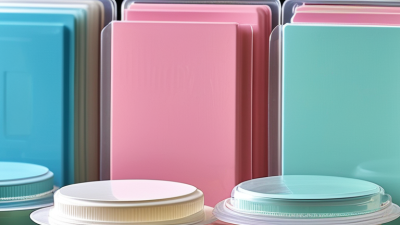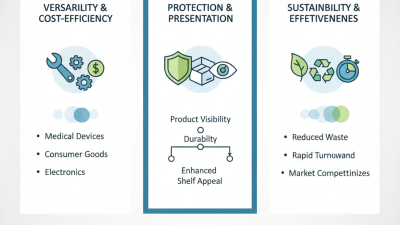
Blister card packaging has become a significant choice for global buyers. An industry expert, Dr. Sarah Johnson, states, "Blister card packaging enhances product visibility and protection." This statement highlights the core advantages that this packaging type brings to various markets.
In an increasingly competitive landscape, brands must stand out. Blister card packaging achieves this through its clear plastic surface, which displays products attractively. This visibility can impact consumers' purchasing decisions. Moreover, it offers robust protection, ensuring products remain intact during shipping and handling.
However, it's important to evaluate sustainability. While blister card packaging offers many benefits, the materials used raise concerns. Responsible sourcing and recycling should be part of the conversation. As companies strive to promote their products, they must also reflect on their environmental impact. Effective packaging isn't just about aesthetics; it requires a balance between utility and eco-friendliness.
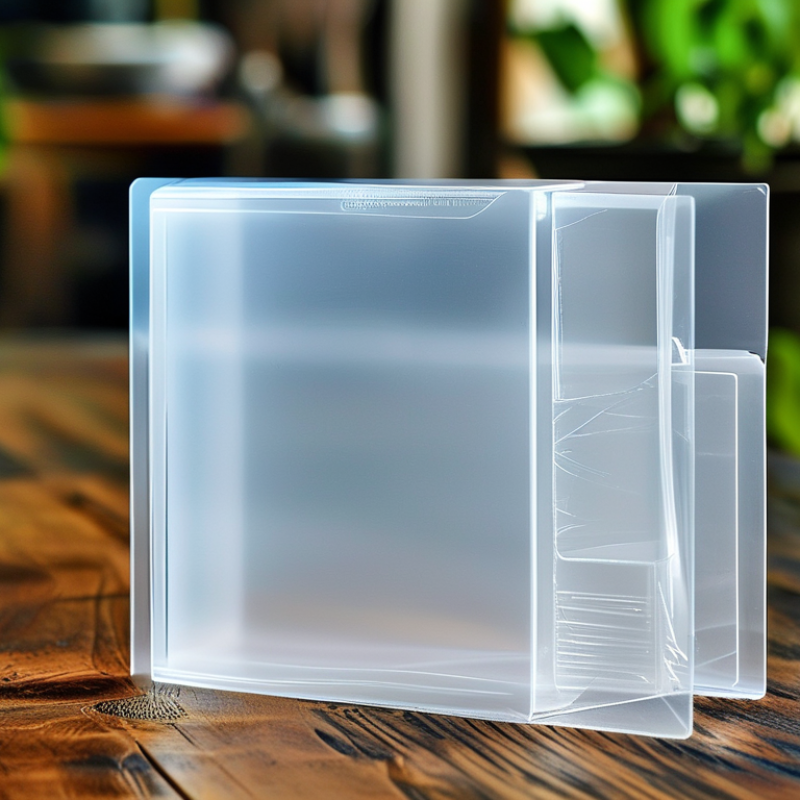
Blister card packaging offers numerous benefits, particularly in enhancing consumer protection. This type of packaging is designed to securely encase products, protecting them from tampering and contamination. According to a report by Packaging Strategies, products packaged in blister cards are less likely to be damaged during transit, reducing loss rates by 30%. This is critical for maintaining product integrity and ensuring consumer safety.
Moreover, blister packaging allows for clear visibility of the product, enabling consumers to inspect the item before purchase. This transparency helps buyers make informed decisions, reducing the chances of returns due to unmet expectations. A study from the Flexible Packaging Association indicates that 70% of consumers prefer packaging that showcases the product. However, while visibility is an advantage, it also raises questions about packaging waste and the environmental impact of such materials.
Tips: Consider using clear, recyclable blister materials. This choice not only protects products but also aligns with eco-friendly practices. Regularly assess your packaging designs for effectiveness. The goal is to balance protection and sustainability, ensuring consumer satisfaction without compromising the environment.
Blister card packaging offers remarkable cost-effectiveness for manufacturers, particularly in the competitive global market. According to a report by Smithers Pira, blister packaging can reduce production costs by up to 30%. This is mainly due to the simplicity of the materials and the efficiency of the production process. The ability to produce blister cards quickly lowers labor costs and boosts output.
An added advantage is material savings. Blister packaging typically uses less material compared to traditional packaging methods. A study by Packaging Strategies indicates that manufacturers can achieve significant reductions in material usage, decreasing waste and improving eco-friendliness. However, not all designs maximize these benefits. Some intricate designs may complicate production, leading to potential delays and increased costs.
Moreover, blister card packaging enhances shelf appeal without substantial expense. Products packaged in blister cards often stand out on retail shelves. Research indicates that visual presentation can lift sales by approximately 15%. Nevertheless, this visual impact depends heavily on the design quality, which can sometimes require expensive iterations before arriving at the final product. Balancing cost with aesthetic appeal is a recurring challenge for many manufacturers in the industry.
| Benefit | Description | Cost-Effectiveness Scale (1-10) |
|---|---|---|
| Protection | Provides excellent protection for products against damage and contamination. | 9 |
| Visibility | Offers high product visibility, attracting consumers effectively. | 8 |
| Customization | Easily customizable shapes and sizes to meet various requirements. | 7 |
| Tamper Evident | Provides tamper-evident features to enhance security. | 8 |
| Cost Efficiency | Lower packaging costs compared to rigid packaging solutions. | 9 |
| Lightweight | Reduces shipping costs due to lightweight materials. | 8 |
| Shelf Life | Prolongs shelf life of the product by protecting it from external factors. | 9 |
| User-Friendly | Easy to open and use without special tools. | 7 |
| Sustainability | Often made from recyclable materials, contributing to sustainability. | 7 |
Blister card packaging offers numerous advantages for global buyers, particularly in enhancing product visibility. This type of packaging is transparent, allowing customers to see the product inside. This clarity can be crucial when competing on retail shelves. By displaying the product prominently, brands can attract more potential buyers' attention. The visual exposure can lead to increased sales.
Marketing opportunities with blister cards are significant. They provide space for detailed information. Brands can showcase benefits, features, and usage instructions directly on the packaging. This approach is particularly beneficial in crowded markets where consumers need to make quick decisions. Effective use of color and design can also resonate with target audiences, creating a compelling visual narrative.
Tips: Consider seasonal themes or promotions in your blister card design. Such timely elements can boost consumer interest. Ensure that the information is well-organized and easy to read. Overloading the package with text can confuse potential buyers. Simple messaging combined with an eye-catching design can make all the difference. Keep testing different designs and gather consumer feedback to refine your approach.
Blister card packaging offers significant sustainability benefits that resonate with global buyers. The materials used in this packaging type are often recyclable. This aspect reduces environmental impact and promotes a circular economy. Eco-conscious consumers appreciate brands prioritizing sustainable practices.
Moreover, blister cards protect products effectively, prolonging shelf life. This efficiency reduces waste. However, the production of blister packaging can involve energy-intensive processes. There’s a fine balance between convenience and sustainability. Buyers should consider the entire lifecycle of the packaging.
Recyclability isn’t universal across all blister card types. Some blends may hinder recycling efforts. Consumers must research the specific materials used in their packaging. Transparency from manufacturers is crucial. As businesses evolve, they should refine processes for better environmental performance. Each step contributes to a more sustainable future.
This bar chart illustrates the top benefits of blister card packaging. Each benefit is represented by its importance rating based on industry surveys.
Customization plays a vital role in blister card packaging. It helps businesses address the specific requirements of diverse products. Reports indicate that 70% of consumers prefer packaging tailored to their needs. Blister card packaging offers various customization options, such as material, size, and design.
Selecting the right material can enhance product protection. For instance, PVC and PET are popular choices due to their clarity and durability. Custom shapes can also play an important role in attracting buyers. Eye-catching designs can increase visibility and drive sales. A study by Smithers Pira suggests that customized packaging can boost consumer engagement by 30%.
However, there are challenges in the customization process. It can be time-consuming and complex to balance aesthetics with functionality. Some manufacturers struggle to meet tight deadlines without sacrificing quality. As businesses evolve, finding reliable suppliers who understand customization needs becomes crucial. Identifying the right partner can significantly impact the success of blister packaging efforts.