Top 10 Benefits of Clam Packaging for Sustainable Product Delivery
In the rapidly evolving world of sustainable packaging, clam packaging is emerging as a prominent solution that offers a multitude of benefits for product delivery. Recognized for its versatility and eco-friendly attributes, clam packaging serves as a protective barrier while minimizing environmental impact. Industry expert Dr. Sarah Jenkins, a leading authority in sustainable packaging innovations, emphasizes this potential saying, "Clam packaging not only safeguards products but also plays a crucial role in reducing waste and promoting sustainability."
The clam packaging design is not just about functionality; it encapsulates a commitment to environmental stewardship that is increasingly important in today’s market. Its ability to use less material while still providing robust protection makes it a favorite among manufacturers who are seeking sustainable alternatives. Furthermore, as consumer awareness grows regarding packaging waste, the appeal of clam packaging continues to rise, aligning perfectly with the global push towards responsible consumption and production.
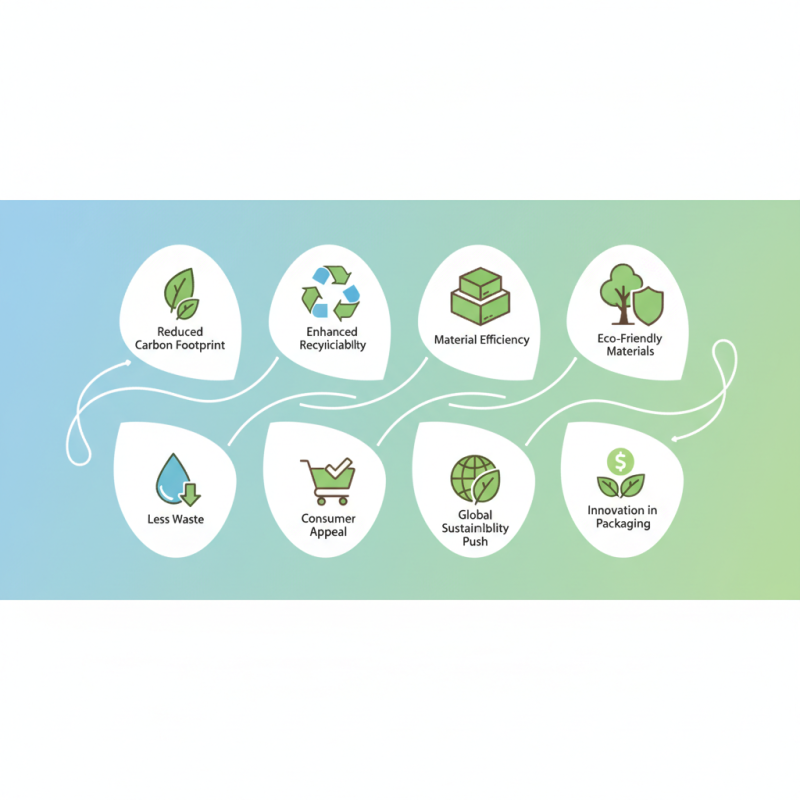
In this article, we will explore the top ten benefits of clam packaging for sustainable product delivery, shedding light on its features that contribute to a greener future, from reduced carbon footprint to enhanced recyclability. As we delve deeper, it will become clear how clam packaging stands out as an innovative choice for businesses striving to meet both consumer demands and environmental goals.
Overview of Clam Packaging and Its Sustainable Features
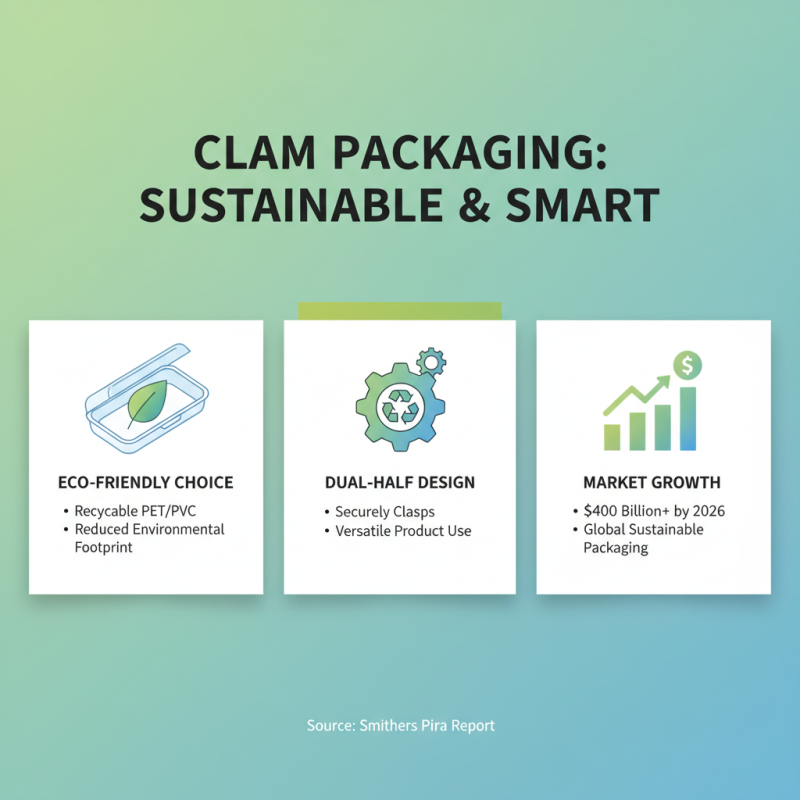
Clam packaging, a popular choice in the packaging industry, stands out for its sustainable features, making it an increasingly preferred option for environmentally conscious businesses. Clam packaging, which typically consists of two halves that clasp together, is often constructed from recyclable materials such as PET or PVC, allowing for a reduced environmental footprint. According to a report by Smithers Pira, the global market for sustainable packaging is expected to reach over $400 billion by 2026, highlighting the growing demand for eco-friendly solutions in product delivery.
One of the key sustainable attributes of clam packaging is its efficiency in reducing waste. With its molded design, clam packs require less material to produce than traditional packaging options, while still providing durable protection for products. The same Smithers Pira report indicates that sustainable packaging solutions can decrease waste by up to 30% when compared to conventional methods. Additionally, clam packaging can facilitate easy recycling, encouraging consumers to participate in waste reduction efforts. Its transparent design also enhances visibility and facilitates appealing presentation, which can further promote the use of sustainable packaging in the retail sector.
Moreover, the life cycle of clam packaging is more favorable to the environment compared to many alternatives. Studies indicate that the production and disposal processes of clam packs generate lower greenhouse gas emissions, aligning with corporate sustainability goals. As companies strive to minimize their ecological impact, clam packaging serves as a practical choice, offering both consumer appeal and environmental benefits. Thus, its sustainable features make clam packaging an invaluable asset in the modern landscape of product delivery and eco-friendly practices.
Environmental Benefits of Clam Packaging Compared to Traditional Options
Clam packaging, an innovative solution in the realm of sustainable delivery, offers significant environmental benefits when compared to traditional packaging options. One of the standout advantages of clam packaging lies in its efficient use of materials. Reports indicate that clam packaging can reduce material usage by up to 50% compared to conventional cardboard and plastic alternatives. This reduction not only minimizes waste but also lessens the carbon footprint associated with production and transportation.
Moreover, clam packaging is often designed to be recyclable and reusable, further facilitating sustainable practices. According to a study published by the Sustainable Packaging Coalition, nearly 70% of consumers prefer brands that utilize sustainable packaging. This shift in consumer behavior underscores the importance of adopting eco-friendly solutions like clam packaging, which aligns with the growing demand for sustainable practices in the industry.
**Tips**: When selecting clam packaging, consider options that are made from post-consumer recycled materials to enhance sustainability. Additionally, ensure the packaging design allows for easy disassembly, which can facilitate recycling efforts. Engaging in regular assessments of packaging impact and seeking feedback from consumers can also help improve sustainability efforts.
Top 10 Benefits of Clam Packaging for Sustainable Product Delivery
| Benefit |
Description |
Environmental Impact |
Sustainability Rating |
| Reduced Material Waste |
Clam packaging uses less material compared to traditional packaging options. |
Minimizes landfill waste and promotes recycling. |
High |
| Lightweight |
Clam packaging is lighter, reducing transportation costs and emissions. |
Lower carbon footprint during shipping. |
Moderate |
| Improved Product Protection |
Provides better protection against damage compared to traditional packaging. |
Reduces product waste due to damage. |
High |
| Recyclable Materials |
Often made from recyclable plastics or biodegradable materials. |
Supports circular economy initiatives. |
Very High |
| Consumer Convenience |
Easy to open and reseal for repeated use. |
Encourages reuse and less waste. |
Moderate |
| Brand Visibility |
Clear visibility of product enhances marketing opportunities. |
Encourages responsible consumption. |
High |
| Customization |
Easily customizable shapes and sizes for various products. |
Reduces excess materials. |
High |
| Tamper Resistance |
Offers better tamper resistance than traditional packaging. |
Improves safety and decreases product loss. |
High |
| Cost Efficiency |
Lower production costs due to less material used. |
Economically friendly approach. |
Moderate |
| Regulatory Compliance |
Easier compliance with environmental regulations. |
Reduces environmental tax liabilities. |
High |
Cost-Effectiveness of Clam Packaging for Sustainable Product Delivery
Clam packaging, a popular choice for sustainable product delivery, offers significant cost-effectiveness that can benefit businesses and consumers alike. One of its primary advantages is its lightweight design, which reduces shipping costs. Lighter packaging means lower transportation fees, making it an economical option for companies looking to minimize expenses associated with product delivery.
Furthermore, the durability of clam packaging reduces breakage during transit, leading to fewer returns and replacements, which can considerably cut down on additional costs.
In addition to direct shipping savings, clam packaging enhances warehouse efficiency. Its stackable nature allows for better utilization of space, enabling businesses to store more products in a smaller area. This optimization can lead to reduced storage costs and increased inventory turnover, ultimately enhancing overall profit margins. By choosing clam packaging as a sustainable and cost-effective solution, companies can align their operational practices with eco-friendly values while also benefiting financially, creating a win-win situation in the realm of sustainable product delivery.
Innovations in Clam Packaging Design for Enhanced Sustainability
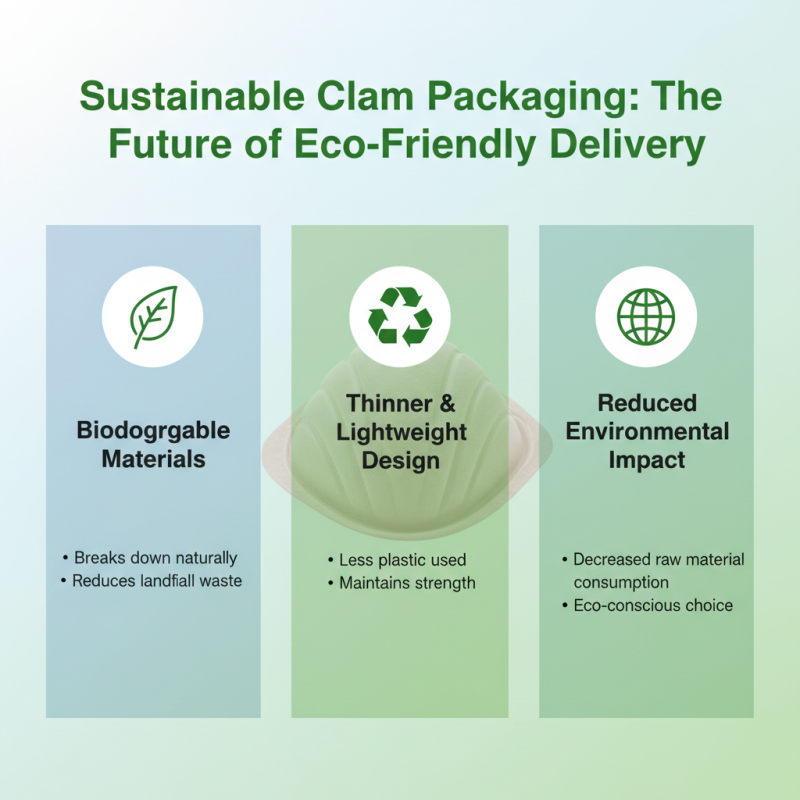
Clam packaging has emerged as a frontrunner in the quest for sustainable product delivery, driven largely by innovative design improvements that enhance its eco-friendliness. One of the most significant advancements in clam packaging is the introduction of biodegradable materials. These materials minimize the environmental impact once the packaging is discarded, breaking down naturally over time and reducing landfill waste. Furthermore, innovations in material science have led to the development of thinner, lightweight versions of traditional clam packaging that maintain structural integrity while using less plastic, ultimately leading to decreased raw material consumption.
Another critical enhancement in clam packaging design is the integration of reusable and refillable formats. This approach not only promotes sustainability by reducing single-use plastics but also encourages consumers to engage in more environmentally conscious behaviors. By designing clam packaging for multiple use cycles, manufacturers can shift consumer habits from disposability to sustainability, fostering a culture of reuse. Additionally, advancements such as improved sealing technologies help to extend product shelf life, thereby reducing food waste and further contributing to a more sustainable supply chain. These innovations collectively reinforce the role of clam packaging in a more eco-friendly future, reflecting the growing consumer preference for sustainable products and practices.
Consumer Perceptions and Market Trends in Clam Packaging Usage
Consumer perceptions of clam packaging have evolved significantly in recent years, reflecting a growing awareness of sustainability and environmental concerns. As consumers increasingly prioritize eco-friendly practices, clam packaging—a type of rigid plastic packaging often used for food products—has gained traction due to its customizable nature and recyclability. This shift in consumer mindset is largely driven by a desire for products that align with personal values around sustainability. Research indicates that consumers are more likely to support brands that utilize environmentally responsible packaging, viewing clam packaging as a viable option that minimizes negative environmental impact, particularly in comparison to traditional packaging materials.
Market trends further illustrate the rising popularity of clam packaging across various sectors. As businesses adopt sustainable practices, clam packaging offers a competitive advantage and responds effectively to changing consumer preferences. Many brands are now investing in innovative designs that enhance both functionality and sustainability, demonstrating a commitment to reducing waste. Additionally, the ease of recycling clam packaging aligns well with consumers' desires for convenience and practicality. As awareness spreads and technologies advance, it is likely that clam packaging will continue to solidify its position in the marketplace, becoming a key element of product delivery strategies focused on sustainability.
Top 10 Benefits of Clam Packaging for Sustainable Product Delivery