Top Benefits of Clamshell Blister Packaging for Your Products?
Clamshell blister packaging has become increasingly popular in various industries. A recent report indicated that the global clamshell packaging market is expected to grow significantly, reaching USD 12 billion by 2026. This growth highlights the effectiveness of clamshell blister packaging in protecting products. It's designed for both safety and visibility.
One of the major benefits is its ability to enhance product presentation. This packaging serves as a protective shield while allowing consumers to see the product clearly. Studies show that 60% of consumers prefer transparent packaging for buying decisions. This means brands using clamshell blister packaging often see increased sales.
However, there are challenges to consider. Not all products may fit well in this type of packaging. Additionally, some consumers express concerns about environmental sustainability. This raises questions on how manufacturers can balance protection and eco-friendliness. As the market evolves, there's a pressing need for innovation in clamshell blister packaging solutions.
Advantages of Clamshell Blister Packaging for Product Visibility
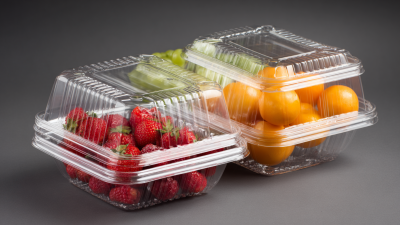
Clamshell blister packaging is a popular choice for many products. This type of packaging allows consumers to see the product clearly. The transparency of clamshell packaging makes it visually appealing. According to a study by Packaging Strategies, over 70% of consumers prefer products in clear packaging. This statistic highlights the importance of product visibility in purchasing decisions.
The design of clamshell packaging also enhances product display. Its rigid structure protects items while keeping them visible. Research indicates that products displayed in clamshells can increase sales by 20%. This is primarily due to the way they attract attention on retail shelves. However, this packaging style can suffer from issues like difficulty in opening. Many consumers find clamshells challenging to access. This frustration can lead to negative experiences.
Moreover, while clamshells provide excellent visibility, they can also contribute to waste. The material used is often plastic, which raises concerns about environmental impact. A report by the Ellen MacArthur Foundation suggests that single-use plastics can be detrimental to ecosystems. Therefore, balancing visibility and sustainability is crucial. Companies must navigate these challenges while considering consumer preferences.
Top Benefits of Clamshell Blister Packaging for Your Products
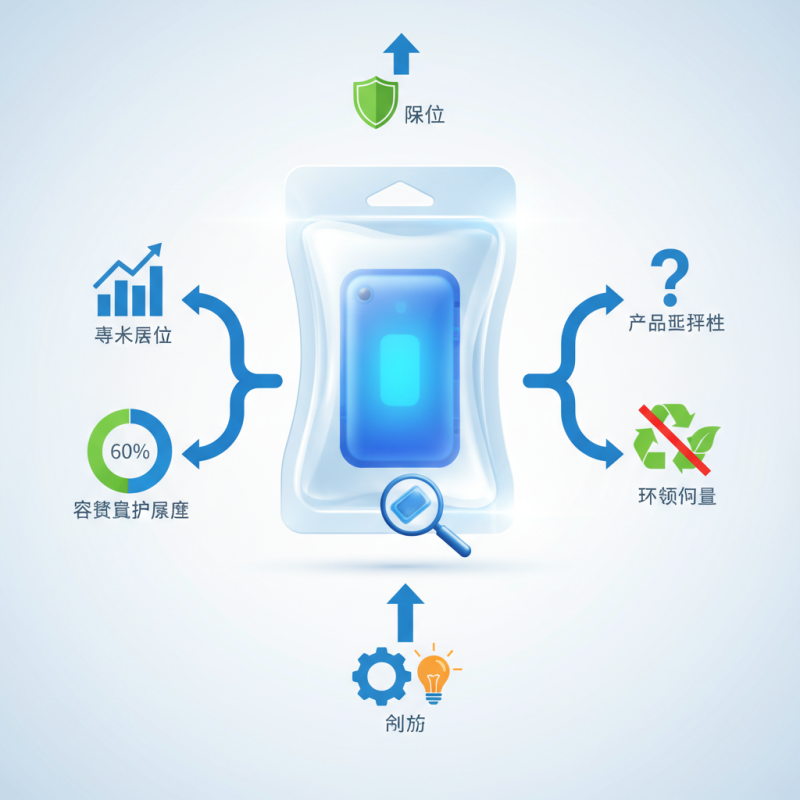
This chart displays the key advantages of clamshell blister packaging for product visibility, including factors such as protection, visibility, sustainability, and consumer convenience.
Durability and Protection Offered by Clamshell Packaging
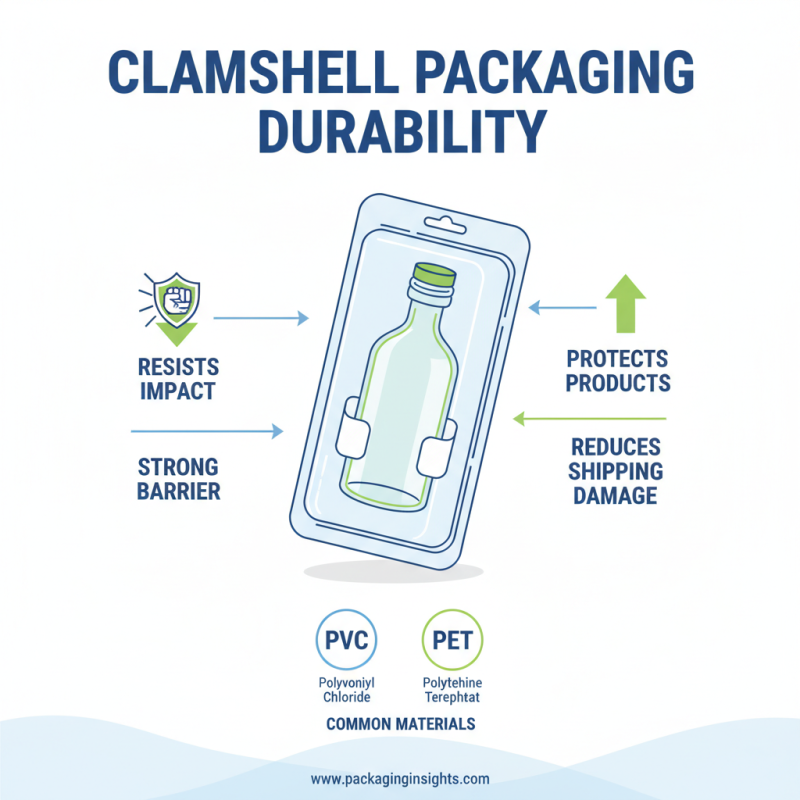
Clamshell packaging is known for its durability. This type of packaging is made from PVC or PET materials. These materials resist impact, providing a strong barrier for products inside. This prevents damage during shipping and handling. It’s a crucial advantage for fragile items.
The design of clamshells offers excellent visibility for consumers. Items inside are clearly visible, inviting potential buyers. However, they can be tricky to open. Customers might struggle if there's no easy-open option. This can lead to frustration. Manufacturers need to consider user-friendliness.
Protection against outside elements is another key feature. Clamshells shield products from moisture and dust. They also provide resistance to UV rays. However, not all designs are waterproof. In some cases, moisture can still seep in. This creates potential issues for certain products. It’s essential to test the packaging to ensure it meets the necessary safety standards.
Cost-Effectiveness of Clamshell Blister Packaging Solutions
Clamshell blister packaging has gained popularity due to its cost-effectiveness. This type of packaging is made from durable plastic, allowing manufacturers to save on material costs. It maximizes product visibility while minimizing waste. With clamshell packaging, you also reduce shipping costs. They are lightweight and easy to stack. This design means fewer trips and lower fuel expenses.
A major draw is the reduced labor cost. Clamshells are often easy to fill and seal. This efficiency can cut down on production time. Faster production means more products can hit the market. It’s noticeable how a simple design can lead to such financial benefits.
Tips: Consider the impact of your packaging decision. Test different designs to find the most effective one. Pay attention to customer feedback; it can reveal essential insights. While clamshell packaging has many advantages, it also has drawbacks. For instance, the environmental impact of plastic is a concern. Choosing sustainable options may seem more costly upfront, but can provide long-term savings and a better brand image.
Sustainability and Environmental Impact of Clamshell Packaging
Clamshell blister packaging offers notable advantages, especially concerning sustainability and environmental impacts. Made from recyclable materials, clamshells can significantly reduce waste compared to traditional packaging. According to a report by the American Institute for Packaging and the Environment, up to 70% of clamshells can be recycled, promoting a circular economy.
However, the environmental benefits also come with challenges. Many consumers are unaware of the recyclability of clamshells. This often leads to improper disposal. Organizations need to educate consumers on proper recycling methods. Clear labeling on packaging can make a big difference.
Tip: Always use minimal materials in your clamshell design. This reduces resource consumption. Explore biodegradable options that could replace traditional plastics. These measures enhance sustainability.
Another point to reflect on is the production process. Although clamshells are recyclable, the manufacturing process can be energy-intensive. It's vital to assess the energy sources used in production. A shift to renewable energy could greatly improve the overall carbon footprint.
Tip: Collaborate with suppliers who prioritize eco-friendly practices. Look for certifications that align with sustainable goals. This fosters a community committed to environmental betterment.
Top Benefits of Clamshell Blister Packaging for Your Products - Sustainability and Environmental Impact of Clamshell Packaging
| Benefit |
Description |
Environmental Impact |
Sustainability Aspect |
| Protection |
Clamshell packaging provides excellent protection against dust, moisture, and physical damage. |
Reduces the need for additional protective packaging, decreasing waste. |
Made from recyclable materials. |
| Visibility |
Provides a clear view of the product, enhancing consumer attraction. |
Encourages consumers to choose minimalistic packaging solutions. |
Supports eco-friendly branding due to transparency in production. |
| Convenience |
Easy to open and reseal, allowing for convenient use of the product. |
Reduces packaging waste by allowing resealing. |
Reusable clamshells promote sustainability. |
| Stackability |
Designed for efficient stacking, maximizing storage space. |
Less transportation is needed due to optimized shipping volumes. |
Minimal carbon footprint in transport. |
| Branding Opportunities |
Allows for branding on all sides, increasing product visibility. |
Utilizes less plastic through smart design. |
Encourages the use of biodegradable materials. |
Versatility of Clamshell Blister Packaging Across Different Industries
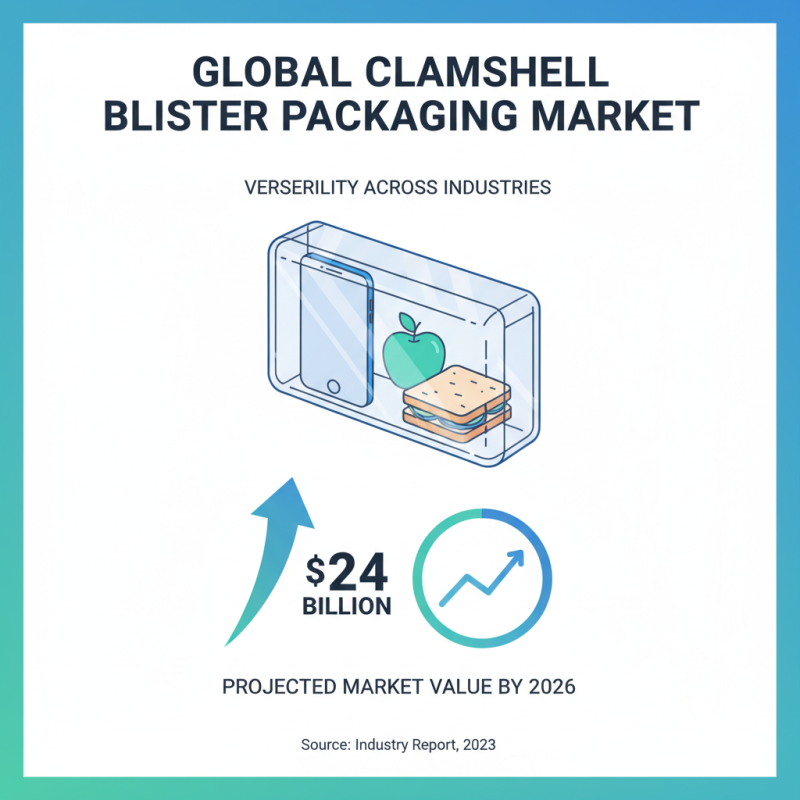
Clamshell blister packaging has gained significant popularity across various industries. Its versatility is a major advantage, accommodating products from electronics to food items. According to a recent industry report, the global blister packaging market is projected to reach $24 billion by 2026. This growth highlights the increasing demand for clamshell designs.
In the retail sector, clamshell packaging enhances product visibility. Clear plastic allows consumers to see the item inside. This transparency often leads to higher sales. Yet, companies must consider sustainability. Some clamshell materials are not recyclable, prompting a need for eco-friendly alternatives.
*Tip: Always check the material composition of your clamshell packaging. Ensuring sustainability can boost brand image and consumer trust.*
In the medical field, clamshell packaging offers protection against contamination. It ensures that medical devices are sterile until use. However, the rigidity of clamshells can make them difficult to open for some users. This is a point for improvement.
*Tip: Consider user experience when designing clamshells for medical products. A little innovation can significantly enhance usability.*
Each industry's unique needs should drive design choices. Balancing protection, visibility, and user-friendliness is essential for success.