In the competitive world of product packaging, selecting the right packaging solution is crucial for attracting consumers and enhancing product visibility. One increasingly popular choice is the blister card, a versatile packaging option that combines functionality with aesthetic appeal. Blister cards not only protect the product inside but also serve as an effective marketing tool, showcasing the product features and brand information in a visually appealing manner.
The benefits of using blister cards go far beyond mere presentation; they provide a range of advantages that can significantly impact consumer purchasing decisions. From their ability to enhance product visibility on retail shelves to their effectiveness in reducing damage during transit, blister cards have become an essential element in modern packaging strategies. By exploring the top ten benefits of using blister cards, businesses can better understand how this packaging choice can optimize their product launch, streamline their supply chain, and ultimately drive sales. As we delve into the myriad advantages of blister cards, it becomes clear that this innovative packaging solution is not just a trend but a reliable resource for both manufacturers and consumers alike.
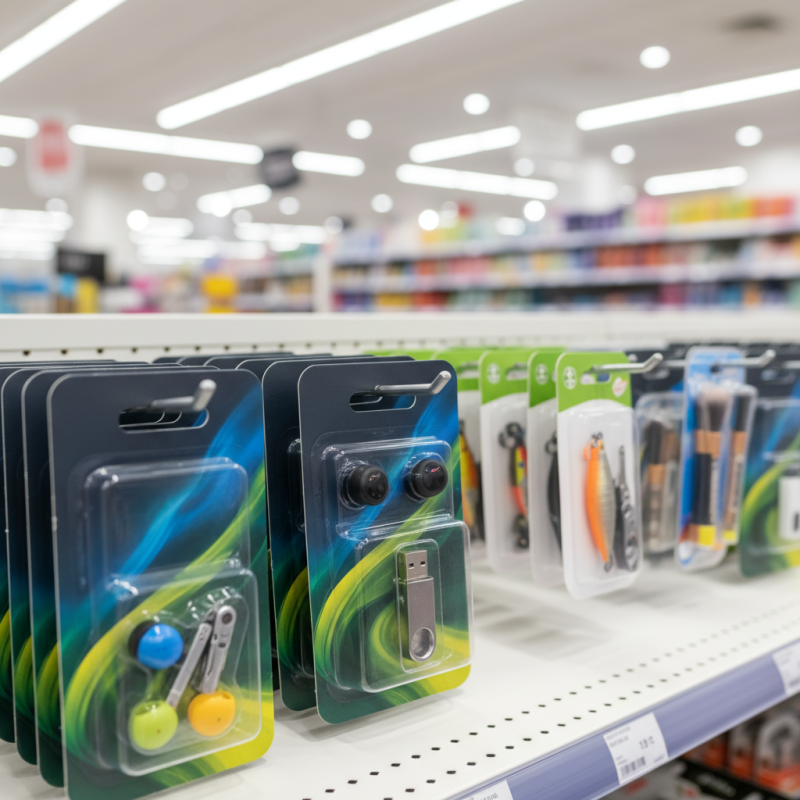
Blister cards have gained significant popularity in the realm of product packaging, and it’s easy to understand why. One primary reason is their ability to enhance product visibility. The transparent plastic blister allows customers to see the product clearly, while the attractive card backing can be printed with eye-catching graphics and information that draw attention on retail shelves. This combination not only aids in product promotion but also helps in conveying important details about the item, making it an ideal choice for businesses looking to boost their sales.
Another factor contributing to the popularity of blister cards is their superior protection for the product. The robust design helps shield items from damage during transportation and handling, ensuring that products reach consumers in pristine condition. This level of protection establishes trust with customers, as they are more likely to purchase items that they believe will remain intact. Additionally, the tamper-evident feature of many blister packs adds an extra layer of security, reassuring consumers that the product has not been interfered with before reaching their hands. As a result, businesses see blister cards as a reliable option that combines durability with aesthetic appeal, further solidifying their use in the packaging industry.
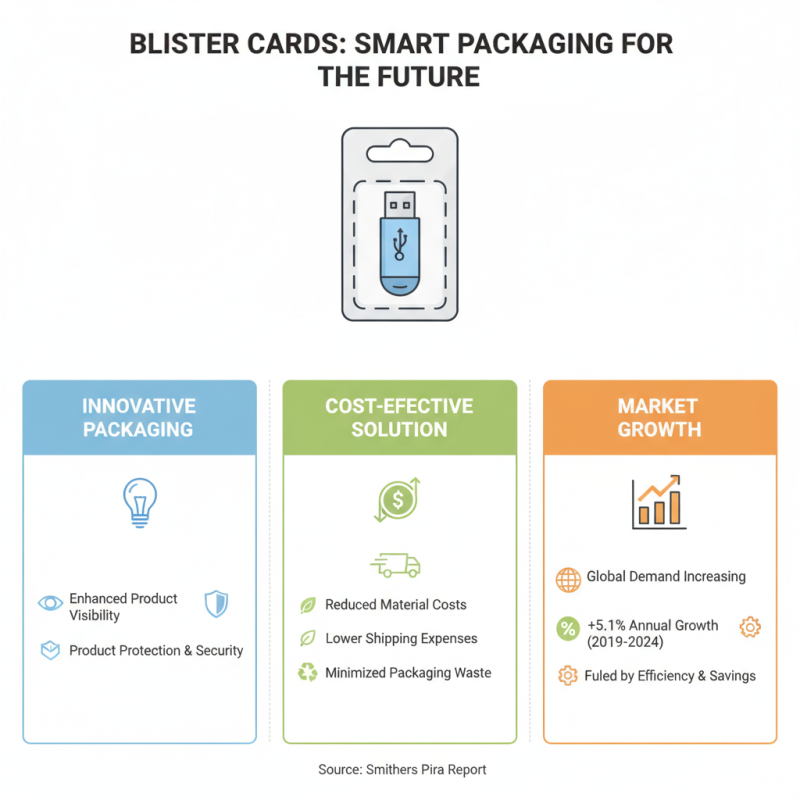
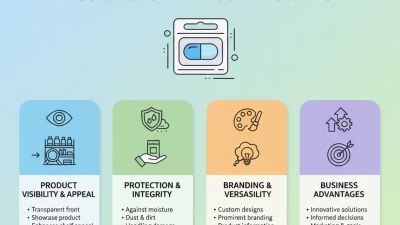
Blister cards provide a unique packaging solution that enhances product visibility and appeal, making them an effective choice for a wide array of consumer goods. The clear plastic windows of blister cards allow potential buyers to see the product inside without any obstruction, which can significantly influence purchasing decisions. This transparency not only builds consumer trust but also highlights the quality and features of the product, as shoppers can assess it visually before making a commitment.
Moreover, the design flexibility of blister cards allows for eye-catching graphics and branding elements to be seamlessly integrated into the packaging. Bold colors and creative layouts can attract attention on crowded retail shelves, effectively standing out among competitors. This visual appeal not only draws consumers in but can also convey essential information about the product, making it more approachable and engaging.
As a result, blister cards can enhance the overall shopping experience, fostering a stronger connection between the consumer and the product.
Blister card packaging is increasingly recognized for its robust protection and security features, making it a preferred choice among manufacturers. One of the primary benefits of this type of packaging is its ability to prevent tampering and damage. According to a report by Smithers Pira, nearly 40% of consumers in a survey stated that product security is a significant factor influencing their purchasing decisions. Blister cards provide a clear view of the product while safeguarding it from external factors such as moisture, dust, and physical impacts, thereby enhancing the overall shelf life and integrity of the product.
Moreover, blister packaging restricts access to the product until it is purchased, mitigating the risk of theft and ensuring that consumers receive items in their original condition. A recent packaging industry study highlighted that nearly 25% of consumers reported concerns about product tampering, which can undermine brand trust. By using blister cards, companies can bolster customer confidence, fostering brand loyalty and repeat purchases.
Tips: When considering blister card packaging, ensure to choose materials that not only provide visibility but also meet any necessary regulatory requirements for your industry. Additionally, focus on incorporating easy-to-open features for consumers to enhance convenience while maintaining security. Proper design and material selection will not only protect the product but also enhance the overall customer experience.
| Benefit | Description |
|---|---|
| Protection | Blister cards provide excellent protection for delicate items against damage during transportation and handling. |
| Visibility | Products are displayed prominently, allowing customers to view the product clearly from all angles. |
| Tamper-Resistance | The packaging is designed to show visible signs of tampering, ensuring product security. |
| Cost-Effectiveness | Blister packaging can be more cost-effective compared to alternative packaging methods, reducing overall production costs. |
| Reusability | Many blister packages can be reused, making them more environmentally friendly. |
| Customizability | Blister cards can be easily customized to fit the shape and size of different products. |
| Easy to Open | Designed with user-friendliness in mind, blister cards can be easy to open for consumers without tools. |
| Lightweight | Blister packaging is lightweight, reducing shipping costs and making it practical for retailers. |
| Branding Opportunity | Allows for great artwork and branding, enhancing product appeal on retail shelves. |
| Shelf Life Extension | Protects products from environmental factors, potentially extending their shelf life. |
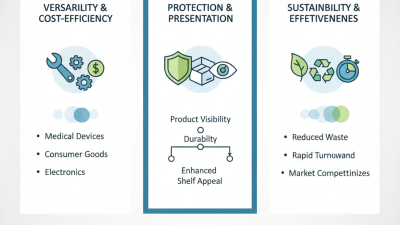
Blister cards represent an innovative solution for product packaging, providing brands with a cost-effective option to enhance visibility and protect their products. According to a report by Smithers Pira, the global demand for blister packaging is expected to grow at an annual rate of 5.1% through 2024. This surge is fueled by the ability of blister cards to combine packaging efficiency while minimizing materials and shipping costs. As companies face increasing pressure to control expenses, utilizing blister cards allows for a streamlined supply chain and reduces excess spending on packaging waste.
The economic benefits of blister cards become even clearer when considering their comparative efficiency. According to a study by MarketsandMarkets, the blister packaging market was valued at over $13 billion in 2020, with brands citing a significant reduction in packaging costs—up to 20% less than traditional methods. This decrease in costs can be attributed to the lightweight nature of blister cards, leading to lower transportation expenses and allowing brands to allocate resources more effectively. Further, blister packaging provides strong product protection, reducing returns due to damage and consequently preserving profit margins. As brands increasingly adopt blister cards, the data suggests a growing trend toward prioritizing smart packaging solutions that align with both cost-effectiveness and sustainability goals in today's competitive landscape.
Blister card packaging has gained popularity among manufacturers not only for its practicality but also for its potential environmental benefits. These packaging materials, typically made from plastic, can be designed to minimize waste and promote sustainability. By opting for recyclable materials, companies can significantly reduce their carbon footprint and help diminish the waste that ends up in landfills. The shift towards using biodegradable materials and eco-friendly inks further enhances the sustainability of blister card packaging, making it a viable alternative for environmentally conscious brands.
When considering blister card packaging, it's essential for businesses to be mindful of the materials they choose. Here are some tips: First, look for suppliers that offer recyclable or compostable options. Secondly, consider optimizing the design to use less material while still ensuring product protection. A well-thought-out design can reduce both the environmental impact and packaging costs. Lastly, inform consumers about the recyclability of the blister cards through clear labeling, encouraging responsible disposal practices.
Incorporating environmentally friendly practices in blister card packaging not only satisfies regulatory requirements but also enhances brand image. Companies that prioritize sustainability can attract eco-conscious consumers, demonstrating their commitment to reducing environmental impact. By embracing these eco-friendly approaches, businesses can contribute to a greener future while still maintaining functional and appealing packaging for their products.
This bar chart illustrates the benefits of using blister cards for product packaging, with scores reflecting their importance. Each benefit is rated on a scale from 1 to 10, showcasing the significant advantages that blister cards deliver in various aspects, including visibility, protection, and sustainability.