Top 10 Benefits of Using Thermoformed Plastic Trays for Your Business
Thermoformed plastic trays have become an essential component in various industries, offering significant advantages in terms of efficiency, cost-effectiveness, and sustainability. As businesses strive to enhance their packaging solutions, the adoption of thermoformed plastic trays is on the rise, with recent industry reports indicating that the global market for thermoforming is expected to reach $12 billion by 2026, growing at a compound annual growth rate (CAGR) of over 4.5%. This growth is driven by increasing consumer demand for lightweight and durable packaging options that also minimize environmental impact.
One of the standout benefits of thermoformed plastic trays is their versatility, as they can be tailored to meet specific dimensional and functional requirements across different sectors, including food service, retail, and healthcare. Research has shown that using thermoformed trays can lead to a 30% reduction in packaging material waste compared to traditional options, aligning with the push for more sustainable business practices. Furthermore, these trays offer excellent protection for products, ensuring they reach the consumer in optimal condition, which is critical in today’s competitive marketplace. By leveraging thermoformed plastic trays, businesses can not only improve operational efficiency but also enhance their sustainability credentials, making them a strategic choice for modern packaging needs.
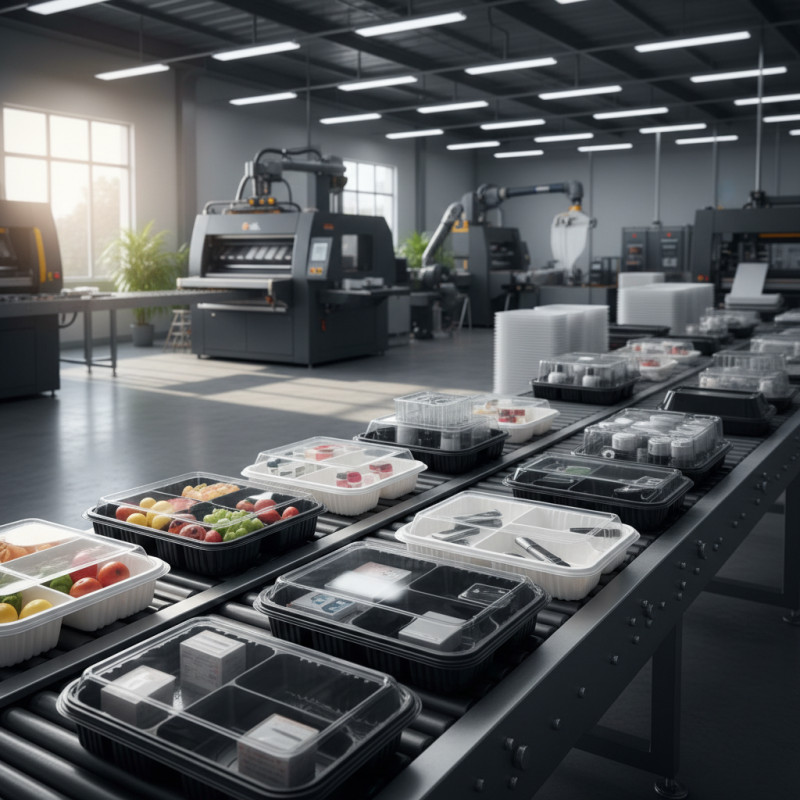
Benefits of Thermoformed Plastic Trays for Packaging Efficiency
In the ever-evolving landscape of packaging, thermoformed plastic trays have emerged as a game-changer for businesses seeking efficiency and cost-effectiveness. One of the primary benefits of using these trays is their ability to optimize packaging workflows. The precise design of thermoformed trays allows for better space utilization, significantly reducing the volume occupied during storage and transportation. This streamlined approach not only saves valuable warehouse space but also cuts down on shipping costs, enabling companies to allocate resources more effectively.
Tips: When implementing thermoformed plastic trays, assess the specific needs of your products to select the appropriate size and shape. Custom-designed trays can enhance product visibility, reduce movement during transit, and boost the overall presentation of your items, making them more appealing to customers.
Another advantage of thermoformed plastic trays is their lightweight nature, which aids in reducing overall shipping weight. This characteristic, combined with their durability, ensures that products remain secure and intact throughout the shipping process. Moreover, these trays can be easily molded into various shapes to accommodate different items, making them versatile for multiple industries.
Tips: Consider incorporating eco-friendly materials in your thermoformed tray options. This not only enhances your business’s sustainability profile but also appeals to environmentally conscious consumers, which can ultimately drive sales and foster customer loyalty.
Cost-Effectiveness of Thermoformed Plastic Trays in Business Operations
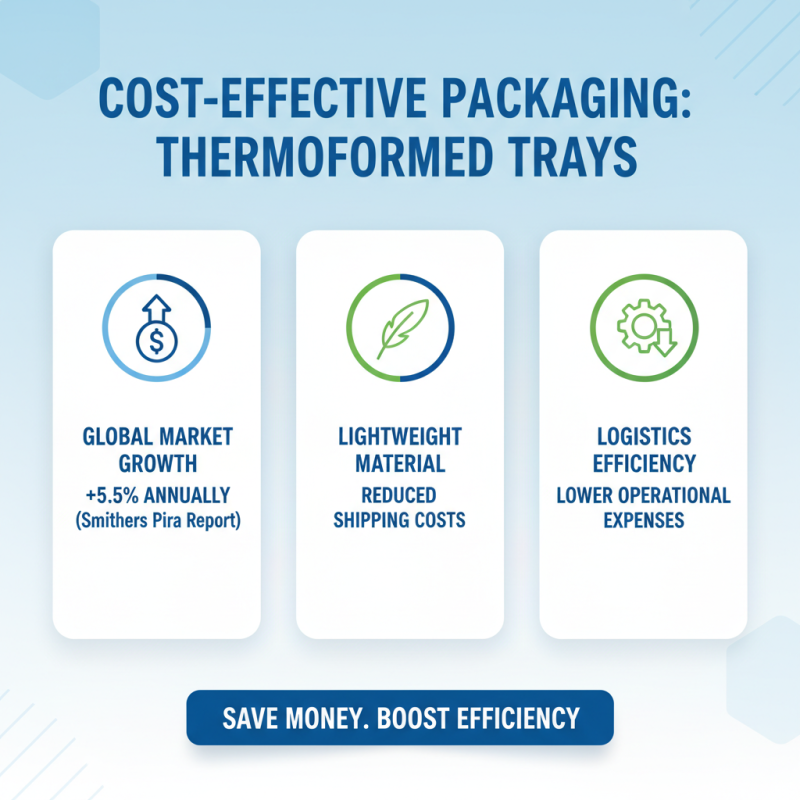
Cost-effectiveness plays a pivotal role in the choice of packaging solutions for businesses, and thermoformed plastic trays stand out in this regard. According to a report by Smithers Pira, the global market for thermoformed packaging is projected to grow by 5.5% annually, reflecting its increasing adoption by industries seeking to reduce costs without compromising quality. The lightweight nature of thermoformed plastic trays leads to reduced shipping and handling costs, accounting for a substantial portion of operational expenses. By substituting heavier materials with these trays, businesses can enhance their logistics efficiency and allocate resources more effectively.
Additionally, thermoformed plastic trays are known for their durability and recyclability, contributing to long-term savings. The research conducted by the Association of Plastic Recyclers indicates that plastic recycling can yield economic benefits amounting to approximately $4 billion annually in the United States alone. Businesses that utilize recyclable materials like thermoformed trays not only demonstrate environmental responsibility but also benefit from cost savings related to waste management. Investing in such trays fosters a sustainable operational model, allowing businesses to capitalize on both economic and environmental advantages, ultimately enhancing their competitive edge in the marketplace.
Impact of Thermoformed Plastic Trays on Product Protection and Safety
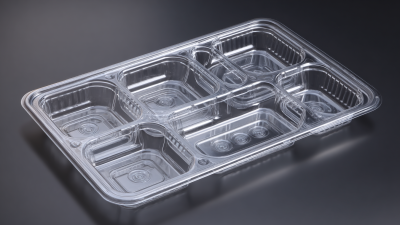
Thermoformed plastic trays offer significant advantages in terms of product protection and safety, making them a valuable asset for businesses across various sectors. One of the key benefits is their ability to create custom shapes and sizes, which ensures a snug fit for the items they contain. This tailored design minimizes movement during transportation, significantly reducing the risk of damage from impacts or vibrations. As a result, products remain intact and in optimal condition, leading to reduced loss and enhanced customer satisfaction.
In addition to physical protection, thermoformed plastic trays are also designed with safety in mind. They are often made from materials that comply with food safety standards, making them suitable for packaging perishable goods. Their smooth surfaces are easy to clean, minimizing the risk of contamination during handling and storage. Furthermore, many thermoformed trays feature built-in safety features, such as anti-slip designs and secured lids, which help prevent accidents in warehouses and distribution centers. By prioritizing product protection and safety, thermoformed plastic trays not only safeguard investments but also contribute to the overall efficiency of business operations.
Top 10 Benefits of Using Thermoformed Plastic Trays for Your Business
This bar chart illustrates the top 10 benefits of using thermoformed plastic trays for businesses, rated on a scale from 1 to 10, with 10 indicating the highest benefit. The most significant advantages include product protection and hygiene, making these trays essential for various applications.
Sustainability Advantages of Using Thermoformed Plastic Trays
Thermoformed plastic trays have emerged as a sustainable solution for various industries, fundamentally shifting how businesses approach packaging and product preservation. These trays are manufactured through a process that utilizes less material and energy compared to traditional methods, making them a greener option. According to a report from the Association of Plastic Recyclers, nearly 30% of collected thermoformed plastics can be recycled effectively, promoting a closed-loop system that mitigates waste. Additionally, the lightweight nature of these trays contributes to lower transport emissions, aligning with global efforts toward reducing carbon footprints.
Tips for businesses considering thermoformed plastic trays include evaluating their end-of-life options. Opting for trays made from recyclable materials can significantly enhance sustainability efforts. Moreover, companies can implement take-back programs to encourage customers to return used trays for recycling, fostering a culture of environmental responsibility. It's also essential to stay informed on regional recycling guidelines to ensure effective waste management practices.
Furthermore, many thermoformed plastic trays offer enhanced durability, prolonging the lifespan of products. This durability means fewer resources are consumed over time, as businesses spend less on replacements and reap the benefits of reduced environmental impact. By choosing thermoformed plastic trays, companies can not only improve efficiency and cost savings but also contribute positively to the environment.
Versatility of Thermoformed Plastic Trays in Various Industries
Thermoformed plastic trays have gained significant traction across various industries due to their remarkable versatility and functional benefits. These trays are crafted from thermoplastic materials that can be molded into different shapes and sizes, making them ideal for sectors such as food packaging, pharmaceuticals, electronics, and automotive. Their lightweight nature combined with durability ensures they can withstand transportation while effectively protecting their contents. As a result, businesses are turning to thermoformed plastic trays to enhance their operational efficiency and maintain product integrity.
Tips for choosing the right thermoformed plastic trays include evaluating the specific requirements of your industry. For example, consider the tray's temperature resistance if you're in the food sector, as certain plastic formulations can endure higher temperatures, preventing deformation during hot packaging processes. Additionally, it’s crucial to assess the clarity and strength of the material, especially when visibility of the product is essential for consumer appeal.
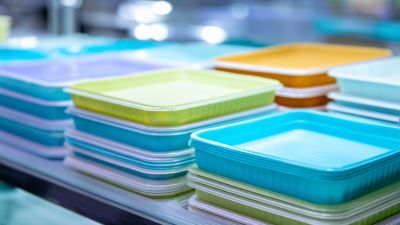
Moreover, customization options for thermoformed plastic trays allow businesses to create unique designs that cater to specific products, enhancing brand identity. Think about utilizing color-coded trays for easy identification in warehouses or implementing eco-friendly materials if sustainability is a concern. This adaptability not only improves functionality but also helps businesses remain competitive in today's market.
Top 10 Benefits of Using Thermoformed Plastic Trays for Your Business
| Benefit |
Description |
Industries Applied |
Sustainability Factor |
| Lightweight |
Thermoformed plastic trays are lighter than alternatives, reducing shipping costs. |
Food Packaging, Electronics |
Recyclable materials |
| Customization |
Available in various shapes and sizes to meet specific business needs. |
Healthcare, Retail |
Sustainable production techniques |
| Durability |
Resistant to cracking and breaking, ensuring product protection. |
Automotive, Manufacturing |
Longer life cycle |
| Cost-Effective |
Low production costs, attractive for budget-conscious businesses. |
Logistics, Distribution |
Easily recyclable |
| Hygienic |
Easy to clean and sanitize, vital for food safety. |
Food Service, Medical |
Non-toxic materials |
| Versatility |
Usable in a wide array of sectors from food to technology. |
Various |
Made from renewable resources |
| Stackable |
Designed for efficient storage and transport, saving space. |
Retail, Warehousing |
Minimal waste generation |
| Temperature Resistance |
Can withstand a range of temperatures, suitable for different applications. |
Food Industry, Pharmaceuticals |
Compliant with environmental standards |
| Aesthetic Appeal |
Can be produced in various colors and finishes to enhance product visibility. |
Retail, Packaging |
Visual impact with lower carbon footprint |