Best Blister Card Packaging Machine for Your Business Needs?
Selecting the right blister card packaging machine is crucial for your business. Packaging plays a significant role in product presentation and protection. The right equipment can enhance efficiency and reduce costs.
Investing in a blister card packaging machine requires careful consideration. You need to assess your product type, production volume, and budget. Each machine comes with its own set of features and limitations. This choice can significantly impact your overall packaging process.
Reliable machines are essential for maintaining product integrity. They offer consistency in quality while reducing waste. However, not all machines meet every business need. It's vital to reflect on your specific requirements before making a purchase. A suitable machine can elevate your brand, but the wrong choice may lead to frustration.
Understanding Blister Card Packaging: Types and Applications
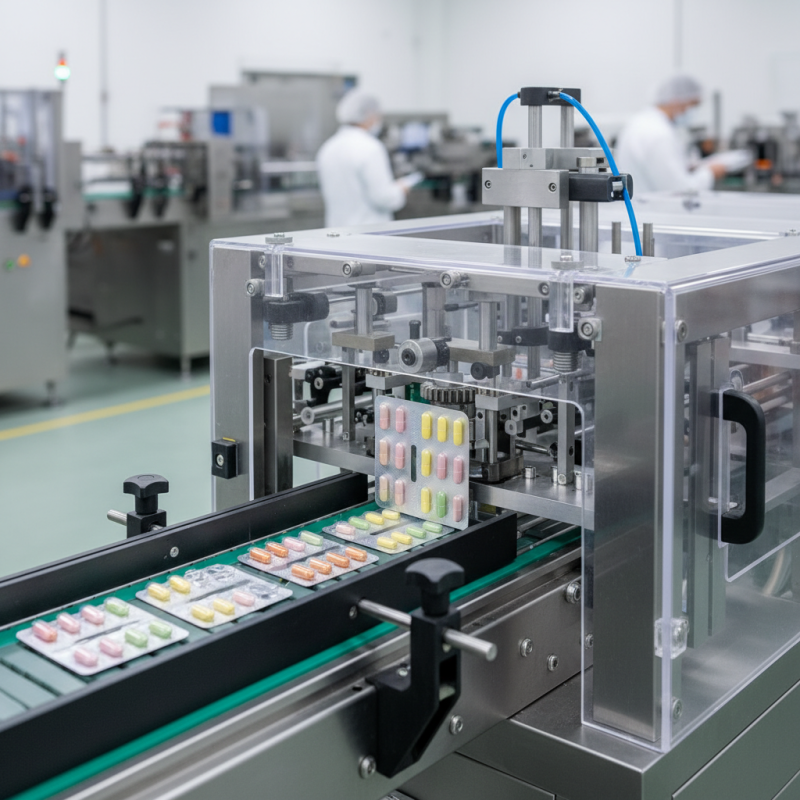
Blister card packaging is widely used in various industries. It provides an effective way to display products while ensuring their protection. Commonly found in pharmaceuticals, electronics, and consumer goods, blister packs consist of a plastic blister and a backing card. This combination allows for visibility and tamper resistance.
There are several types of blister card packaging. Full blisters are great for showing the entire product. Face-seal blisters expose part of the product while providing some coverage. Tray-style blisters can hold multiple items, making them suitable for bulk packaging. The choice of type depends on the product's nature and target audience, demanding careful consideration.
Not all blister packaging is created equal. Sometimes, the seal may not be strong enough, leading to product damage. Additionally, aesthetic appeal can vary, and not every design captures consumer interest. Companies must regularly evaluate their packaging choices to ensure they meet both functional and marketing needs. Addressing these challenges is crucial for optimizing efficiency and maintaining customer satisfaction.
Blister Card Packaging Machine Types and Their Applications
Key Features to Look for in Blister Card Packaging Machines
When selecting a blister card packaging machine, certain features can significantly influence your business success. One important aspect is the machine’s speed and efficiency. A high-speed machine can greatly increase productivity. It’s crucial to assess how many packages can be produced per hour. This impacts your overall output and customer satisfaction.
Another key feature to consider is versatility. Look for machines that can handle a variety of product sizes and shapes. This adaptability allows you to package different items, catering to changing market demands. It’s helpful if the machine can easily switch between formats without extensive downtime.
Finally, ensure that the machine offers user-friendly controls and maintenance options. Complex machinery can lead to errors and inefficiencies. A simple interface promotes ease of operation, reducing the need for extensive training. Regular maintenance is vital for longevity. Machines that are difficult to maintain may incur higher costs in the long run. Investing in reliable tools can mitigate these risks, ultimately improving your operational efficiency.
Best Blister Card Packaging Machine for Your Business Needs? - Key Features to Look for in Blister Card Packaging Machines
| Feature |
Description |
Benefits |
| Automation Level |
The degree to which the machine can operate without human intervention. |
Increased efficiency and reduced labor costs. |
| Speed |
The number of cycles the machine can complete per minute. |
Higher output and faster production rates. |
| Type of Material |
Compatible materials for blister card packaging, including plastics and foils. |
Versatility in packaging different products. |
| Ease of Use |
How user-friendly the machine is, including setup and operation. |
Reduced training time and operational errors. |
| Maintenance Requirements |
Frequency and ease of maintenance needed to keep the machine operational. |
Lower downtime and longer machine lifespan. |
| Cost |
Initial investment required for the machine. |
Impact on overall budget and return on investment. |
Comparative Analysis: Manual vs. Automatic Blister Card Packaging Systems
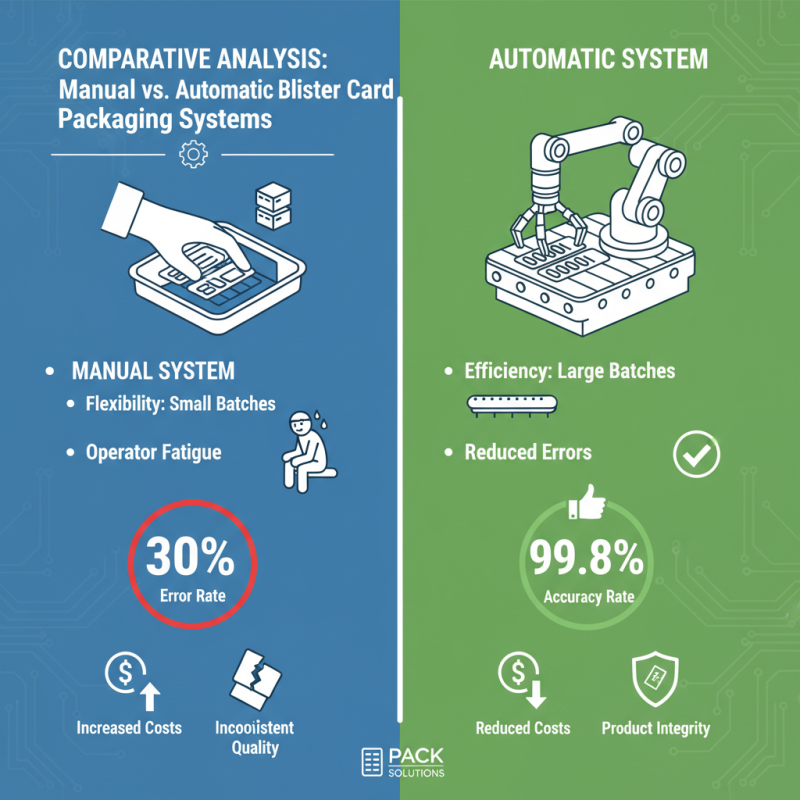
In the blister card packaging industry, choosing between manual and automatic systems is crucial. The Manual Blister Card Packaging system offers flexibility. It allows businesses to package small batches efficiently. However, operators often face fatigue, which can lead to inconsistencies in sealing quality. Industry reports indicate that 30% of manual operations result in errors. This inefficiency can increase production costs and affect product integrity.
On the other hand, automatic blister card packaging systems improve consistency. They can handle larger volumes, significantly reducing labor costs. According to a recent market analysis, automatic systems can increase output by up to 50%. However, these systems require a higher initial investment. Some companies may struggle with the complexities of setup and maintenance. Additionally, small businesses may find it challenging to justify these costs without a guaranteed return on investment.
Finding the right system does not only depend on production volume. Companies must consider their unique operational needs. For instance, transition times between different product runs can be a point of concern. An automatic system's complexity may lead to longer downtimes during these transitions. This particular aspect demands careful evaluation to enhance overall productivity and cost-effectiveness.
Cost Considerations and Budgeting for Blister Card Packaging Solutions
When considering blister card packaging solutions, cost is a crucial factor. Investing in the right machine can impact your budget significantly. Basic models may seem cheaper, but hidden costs can arise. Features like automation, speed, and productivity directly correlate with price. Evaluate the long-term benefits of higher-end models. They often pay off through enhanced efficiency.
Budgeting involves more than just the initial purchase price. Maintenance and operational costs should be tracked. Unexpected repairs can lead to financial strain. It's wise to set aside a reserve for such situations. Work with your team to analyze potential expenses. This collaborative approach often reveals overlooked areas.
Be mindful of your production needs. A machine not tailored to your specific requirements might lead to excess spending. Creating a detailed plan can help. Weigh current output against future growth. Overestimating capacity can lead to wasted resources. Regularly reassess your situation to ensure that your investment remains valid.
Maintenance Tips for Optimal Performance of Blister Card Machines
Proper maintenance of blister card machines is crucial for their efficiency. Start with regular cleaning. Dust and debris can disrupt operation. Ensure that all parts, especially sealing sections, are free from residue. This maintenance step prevents jams and prolongs the machine’s lifespan.
Lubrication is another key element. Use the recommended lubricants for moving parts. Insufficient lubrication can lead to increased wear and tear. Schedule lubrication checks to avoid unexpected breakdowns. Additionally, keep an eye on the temperature. Machines can overheat, affecting performance. Adequate ventilation is essential.
Experience shows that operators should receive training. Understanding the machine’s functions aids in early issue detection. Encourage communication among team members about machine performance. If something seems off, investigate immediately. Reflecting on maintenance practices can highlight areas for improvement.