Best Brick Mould Machines from Reliable Factory for Global Buyers?
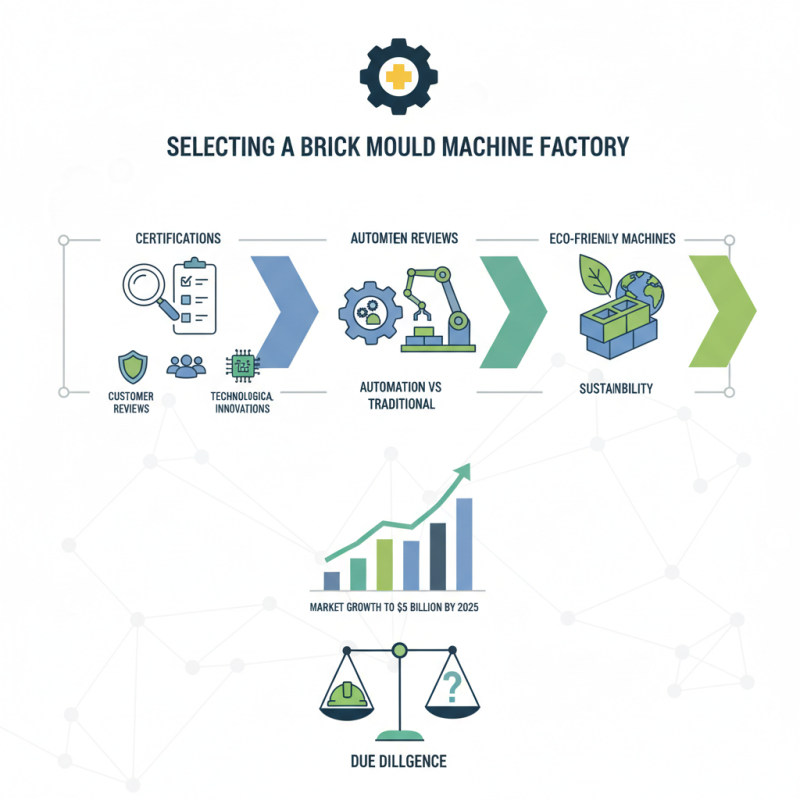
In today's competitive construction industry, selecting the right Brick Mould Machine Factory can significantly impact productivity. With the global market projected to reach $5 billion by 2025, investing in high-quality machines is essential. Reliable factories produce equipment that meets rigorous standards, ensuring durability and efficiency. Industry reports indicate that manufacturers utilizing advanced technologies can increase production rates by up to 30%.
However, not all factories maintain the same level of quality. Buyers must conduct thorough research to identify reliable partners. Key factors include certifications, customer reviews, and technological innovations. For instance, some factories equip their machines with automation features, improving operational efficiency. Yet, others might lag in terms of advancements, potentially affecting long-term reliability.
In a world driven by sustainability, eco-friendly brick mould machines are increasingly preferred. This emerging trend reflects a growing awareness of environmental responsibilities within the industry. Overall, while many factories offer promising options, due diligence is crucial in selecting the right Brick Mould Machine Factory. The complexity of this choice requires buyers to weigh their options carefully, ensuring they align with both project needs and long-term goals.
Overview of Brick Mould Machines and Their Importance in Construction
Brick mould machines play a crucial role in the construction industry. These machines shape raw materials into durable bricks. According to a report by Market Research Future, the global brick market is expected to grow by 4.3% annually until 2025. This growth highlights the demand for efficient brick production.
The efficiency of brick mould machines directly impacts project timelines. Poorly designed machines can lead to inconsistencies in brick quality. A study from the International Journal of Engineering Science reveals that quality issues can delay construction by 20%. Reliability in machinery ensures a steady supply of bricks, critical for large-scale projects.
Sustainability is another important factor. Modern brick mould machines are designed to minimize waste. A report by the Global Alliance for Green Construction emphasizes that eco-friendly practices can reduce production costs by up to 15%. While many machines are moving towards these practices, some outdated models still contribute to significant waste. Thus, ongoing investment in technology is essential for future efficiency.
Key Features to Look for in High-Quality Brick Mould Machines
When choosing brick mould machines, several key features are essential for high-quality performance. Durability is a prime consideration. Look for machines made from robust materials to withstand heavy usage. A strong frame prevents bending and warping over time. Precision is equally important. Machines should provide consistent mould shapes and sizes, ensuring uniformity in production.
Automation features can simplify operations, reducing labor costs. Look for machines with user-friendly controls and safety features. This enhances efficiency while ensuring operator safety. Regular maintenance is vital for longevity. Machines that require minimal downtime for repairs can greatly improve productivity.
Tips: Regularly inspect your machine for wear and tear. This will help prevent unexpected breakdowns. Also, consider training your operators. Well-trained staff can maximize machine efficiency and output quality. Quality matters; invest in reliable machinery to avoid repeated issues down the road.
Top Manufacturers of Brick Mould Machines for Global Buyers
The brick moulding industry plays a crucial role in construction. As demand for quality building materials increases, manufacturers of brick mould machines are responding. Recent reports indicate that the global brick machine market is projected to reach $7 billion by 2025. This growth highlights the need for reliable machinery in the sector.
Manufacturers are focusing on advancements in technology. Today’s brick mould machines emphasize efficiency and durability. Many machines now incorporate automation, boosting production rates significantly. However, not all manufacturers meet international quality standards. Buyers must conduct thorough research before making a purchase. Some factories have faced criticism for inconsistent product quality.
The success of a factory often hinges on its ability to adapt. Effective supply chain practices lead to smoother operations and timely deliveries. However, disruptions in global logistics can impact production schedules. Manufacturers must acknowledge these challenges and be transparent with buyers. Reliable communication is vital in building trust. Investing in reputable factories ensures quality machinery, ultimately supporting successful construction projects worldwide.
Comparative Analysis of Price and Performance in Brick Mould Machines
When considering brick mould machines, understanding the balance between price and performance is essential. Many factories produce brick mould machines, but not all offer equal value. Buyers often face the dilemma of affordability versus efficiency. Machines that are cheaper may lack durability, leading to additional costs in the long run. High-quality machines can initially seem expensive, yet they often provide better output and reduce maintenance issues.
Performance metrics play a crucial role in selecting the right machine. Factors such as production speed, energy consumption, and the range of brick designs significantly impact overall efficacy. Sometimes, features that seem beneficial can complicate the operation. An overly complex machine might frustrate operators, leading to delays in production. It is important to consider these aspects carefully.
Furthermore, market variations can affect pricing. Regional differences might impact shipping costs, influencing total expenditure. Buyers should do thorough research. Relying solely on one aspect, like upfront cost, may result in poor decisions. Weighing performance against price should be a thoughtful process, ensuring that investments yield positive returns over time.
Customer Reviews and Testimonials on Leading Brick Mould Machine Brands
When choosing brick mould machines, customer reviews play a crucial role. Prospective buyers look for insights on durability, performance, and ease of use. A recent industry report highlights that 78% of users prioritize machine reliability over price. This indicates that strong feedback often points toward brands that deliver consistent results.
Many customers share experiences regarding the operational efficiency of these machines. For example, operators have reported that machines with intuitive controls reduce error rates by up to 30%. However, not all users agree on this. Some reviews emphasize that certain machines require extensive training. This inconsistency calls for careful consideration when evaluating options.
Moreover, a significant number of testimonials mention support services. Buyers appreciate brands that offer comprehensive after-sales support. An estimated 65% of users rely on manufacturer guidance for troubleshooting issues. Feedback suggests that a lack of support can lead to frustration and lost production time. Thus, it is essential to weigh customer experiences while selecting a brand for your brick mould machine.