Top 10 Best Clam Packaging Solutions for Freshness and Sustainability
As the seafood industry continues to evolve, the importance of effective clam packaging solutions has become more prominent than ever. According to a recent report by the Seafood Packaging Association, the global seafood packaging market is projected to reach $25 billion by 2027, driven largely by a heightened demand for freshness and sustainability. In light of these trends, clam packaging has emerged as a critical area of focus for ensuring product quality while minimizing environmental impact.
Renowned industry expert Dr. Emily Carter, a leading sustainable packaging consultant, emphasizes the significance of innovative solutions in her research, stating, "The future of seafood packaging lies in our ability to innovate without compromising freshness or sustainability." This perspective underscores the need for packaging methods that not only preserve the delicate flavors and textures of clams but also align with eco-friendly practices.
With the increasing consumer awareness around environmental issues, the clam packaging sector is at the forefront of developing materials and techniques that reduce waste and enhance product longevity. The following article explores the top 10 best clam packaging solutions that promise to strike a balance between maintaining peak freshness and promoting sustainability within the industry.
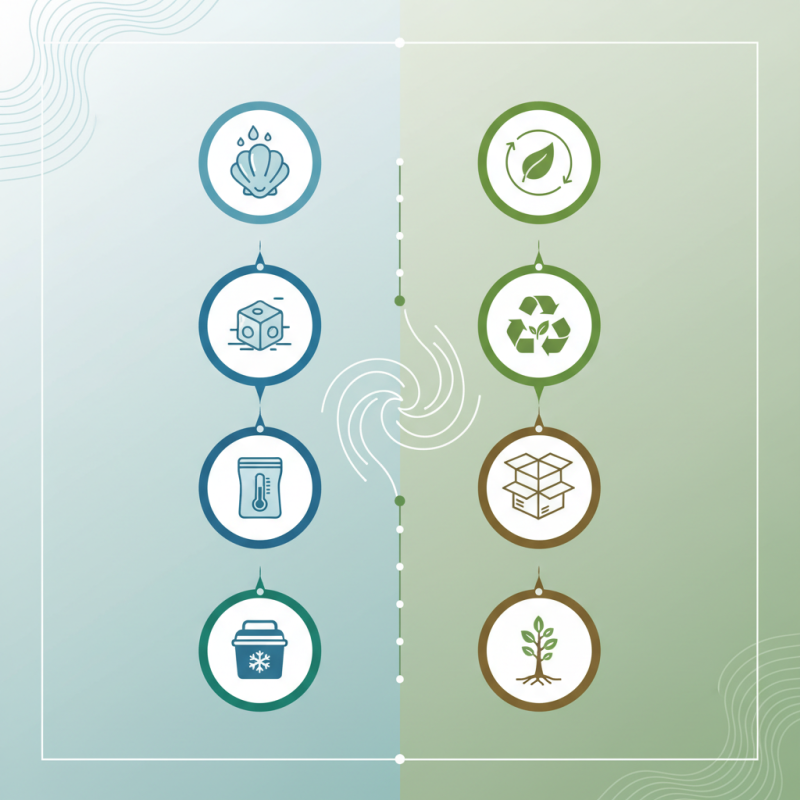
Importance of Clam Packaging for Freshness and Sustainability
Clam packaging plays a crucial role in preserving the freshness and quality of these highly perishable seafood items. Freshness is essential not only for enhancing the taste but also for ensuring food safety. Proper packaging helps to maintain the optimal temperature and humidity levels during storage and transportation, preventing spoilage and extending shelf life. Additionally, effective packaging provides a barrier against contaminants and external factors, such as light, that can degrade the quality of clams over time.
Sustainability is another vital aspect of clam packaging that cannot be overlooked. As environmental consciousness grows, the seafood industry is increasingly seeking solutions that minimize waste and reduce ecological impact. Sustainable packaging materials, such as biodegradable options, help to lessen the carbon footprint associated with clam distribution. By adopting innovative and eco-friendly packaging solutions, the industry not only aligns with consumer preferences for sustainable practices but also contributes to the protection of marine ecosystems. In this context, the importance of clam packaging transcends mere functionality, encapsulating a commitment to both quality and environmental stewardship.
Criteria for Selecting Effective Clam Packaging Solutions
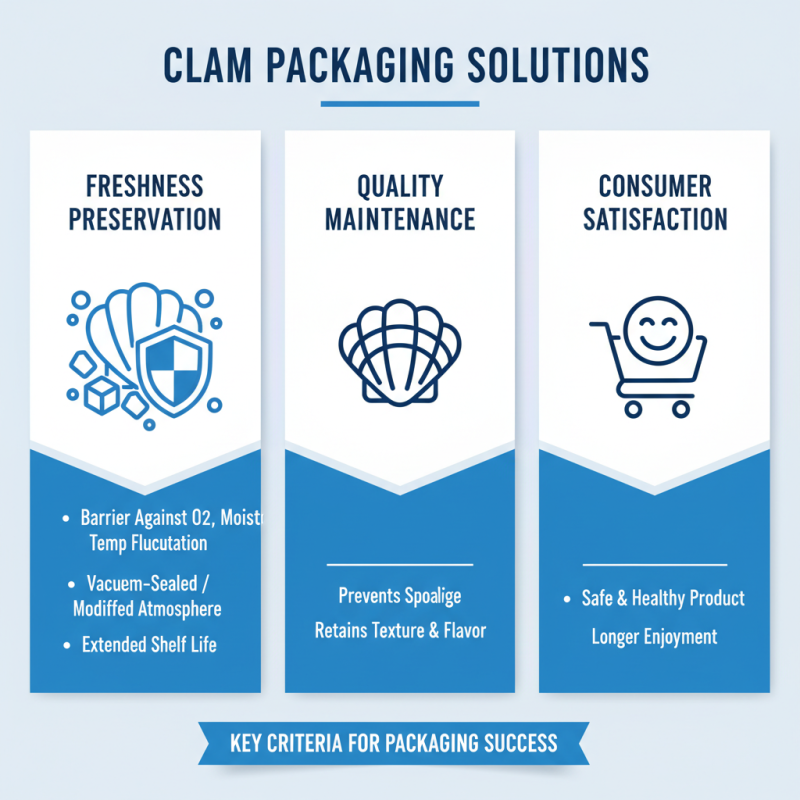
When selecting effective clam packaging solutions, the first criterion to consider is freshness preservation. Clams are highly perishable, and their quality can degrade rapidly if not packaged correctly. Effective packaging should create a barrier against environmental factors such as oxygen, moisture, and temperature fluctuations. Vacuum-sealed or modified atmosphere packaging can significantly extend shelf life by reducing the clams' exposure to elements that promote spoilage, ensuring they remain fresh for consumers.
Another vital criterion is sustainability. As awareness of environmental issues grows, consumers are increasingly drawn to eco-friendly packaging options. Ideal clam packaging solutions should incorporate biodegradable or recyclable materials that minimize environmental impact. Additionally, the design should aim to reduce waste, with a focus on optimizing space and resource use during transportation and distribution. By prioritizing both freshness and sustainability in the selection of clam packaging, businesses can meet both consumer demand and ecological responsibility.
Top Materials Used in Sustainable Clam Packaging
When it comes to packaging clams, selecting sustainable materials is vital for ensuring both freshness and environmental responsibility. One of the most favorable materials in clam packaging is biodegradable plastic. Made from natural sources, biodegradable plastics break down more easily than traditional plastics, thus reducing the environmental footprint. This type of packaging not only helps maintain the freshness of the clams by providing a moisture-retaining barrier but also offers a greener alternative that aligns with eco-conscious consumer preferences.
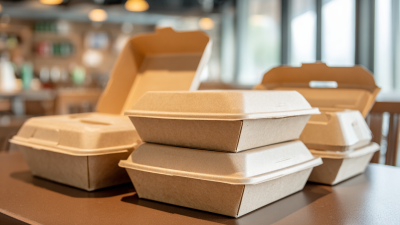
Another excellent option is paper-based packaging, which is becoming increasingly popular. Improved processing techniques have allowed for water-resistant coatings that preserve the quality of seafood while being compostable. Paper packaging made from recycled materials can further enhance sustainability, as it minimizes resource consumption and waste. Additionally, using plant-based inks for printing on paper packaging ensures that all components are eco-friendly, making it a win-win for both the product's integrity and the planet.
Finally, innovative packaging solutions like seaweed-based films are gaining traction in the clam packaging industry. These materials are not only biodegradable but also rich in nutrients, potentially providing added value for the seafood industry. This cutting-edge approach significantly reduces reliance on fossil fuels and encourages a circular economy within the food packaging sector. By prioritizing these sustainable materials, the clam industry can enhance product freshness while contributing to broader environmental goals.
Innovative Clam Packaging Designs Enhancing Freshness
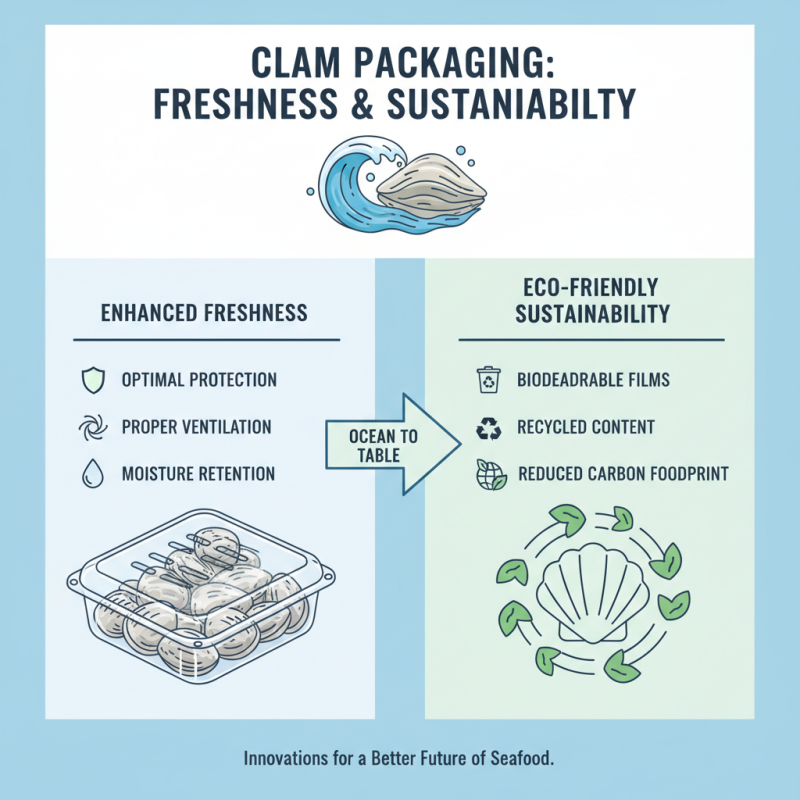
Innovative clam packaging designs play a crucial role in enhancing both freshness and sustainability, addressing the needs of consumers who are increasingly concerned about food quality and environmental impact. Modern packaging solutions utilize advanced materials that provide optimal protection against external contaminants while allowing for proper ventilation. These designs help maintain the natural moisture levels of clams, ensuring that they remain fresh from the ocean to the table. By employing eco-friendly materials, such as biodegradable films and recycled content, these packaging solutions not only preserve the seafood but also minimize waste and reduce the carbon footprint associated with production and disposal.
Additionally, some cutting-edge clam packaging incorporates features such as resealable tops or integrated temperature indicators, which serve as practical enhancements that improve user experience. Such designs not only facilitate easier handling and storage but also promote responsible consumption by encouraging users to keep their clams fresh for longer periods. These innovations illustrate a harmonious balance between functionality and sustainability, showcasing how the seafood industry can evolve to meet consumer demands for freshness while adopting more environmentally conscious practices. As the marketplace continues to emphasize sustainability, these inventive packaging designs represent a significant step forward in promoting both the quality of seafood and the health of our planet.
Case Studies of Successful Clam Packaging Implementations
In the quest for freshness and sustainability in clam packaging, several case studies showcase innovative solutions that have significantly reduced waste and enhanced product quality. Recent figures from the Seafood Packaging Association highlight that up to 30% of seafood products can be lost due to inadequate packaging. By implementing vacuum-sealed packages combined with biodegradable materials, companies have reportedly extended shelf-life by an average of 50%. One notable example involves a coastal processor that transitioned from traditional Styrofoam containers to compostable alternatives, which resulted in a 40% decrease in overall packaging waste and enabled them to meet the growing consumer demand for eco-friendly options.
Additionally, advancements in modified atmospheric packaging (MAP) technology have allowed businesses to maintain optimum freshness while minimizing their environmental footprint. A study published in the Journal of Food Science indicated that MAP can extend the freshness of shellfish products by up to 80%, significantly reducing spoilage rates. A clam distributor embraced this technology, effectively lowering their losses from spoilage from 12% to just 4%. This shift not only improved profitability but also contributed to their sustainability goals by reducing the carbon footprint associated with transportation and waste disposal. Through these successful implementations, the clam industry is setting a benchmark for how innovative packaging solutions can balance both freshness and sustainability.
Top 10 Best Clam Packaging Solutions for Freshness and Sustainability
This chart showcases the effectiveness of various clam packaging solutions in maintaining freshness and promoting sustainability. The data represents the average shelf life in days and the percentage of recyclable materials used in their packaging. A higher shelf life and recyclability percentage indicate better performance.