2026 Best Clamshell Boxes for Global Buyers to Consider?
The packaging industry is evolving rapidly, and clamshell boxes are leading the way. These versatile containers provide excellent protection for a variety of products. According to a report by Smith & Associates, the clamshell packaging market is expected to grow by 4.5% annually over the next five years. This growth reflects the rising demand for environmentally friendly and user-friendly packaging solutions.
Industry expert, Dr. Emily Hawkins, emphasizes the importance of clamshell boxes in modern packaging strategies. She states, "Clamshell boxes are not just about aesthetics; they enhance product visibility and safety." This perspective underscores their role in enhancing consumer experience while ensuring product security.
However, the clamshell packaging industry faces challenges. Manufacturers must balance cost efficiency with sustainability. While improving designs, there may be oversights in material sourcing or production methods. Companies need to reflect on these aspects to maintain consumer trust. The right clamshell box can significantly impact product presentation and brand image. Careful consideration is necessary for global buyers in selecting the best options for their needs.
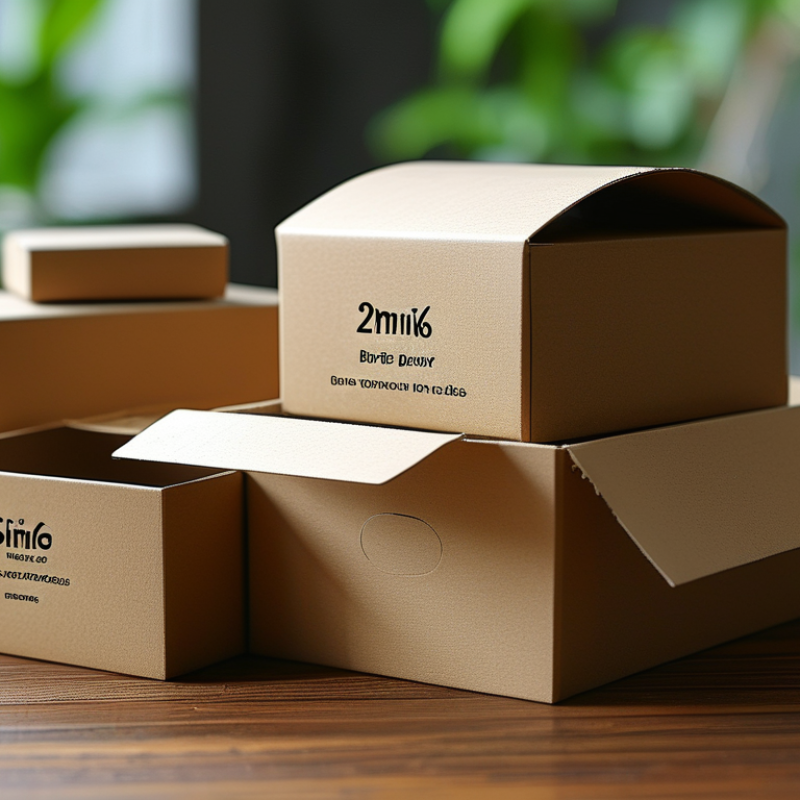
The Rise of Clamshell Packaging in Global Markets: A 2026 Overview
Clamshell packaging is gaining traction in global markets. Its versatility and durability make it a popular choice for various products. In 2026, many buyers are considering these boxes for both retail and e-commerce needs. They provide excellent protection and visibility for the contents, which is a key factor for consumer appeal.
In designing clamshell packaging, consider the materials carefully. Eco-friendly options are becoming more desirable. This shift reflects growing consumer awareness about sustainability. Buyers should evaluate the balance between cost and environmental impact.
Tips: Ensure your design includes adequate ventilation if packaging perishable items. This helps prevent spoilage while maintaining visibility. Also, consider custom designs for unique products. Customization can enhance marketability and brand recognition. Remember, not all designs suit every product. Reflecting on your specific needs will lead to better choices.
Key Materials Used in Clamshell Boxes: Benefits and Sustainability
Clamshell boxes are popular packaging solutions known for their versatility and durability. The materials used in these boxes significantly impact their performance, sustainability, and overall appeal. Common materials include PET, PVC, and kraft paper. Each material has unique properties that cater to various needs.
PET, or polyethylene terephthalate, is widely recognized for its clarity and strength. It effectively showcases products while providing protection. However, its production process has environmental implications. Sustainability efforts within the industry often focus on recycling PET, which can be improved. PVC offers durability but raises concerns about its environmental footprint. Innovation in this area is essential.
Kraft paper is another viable option, renowned for its eco-friendliness. It is biodegradable and recyclable, making it an excellent choice for conscious brands. Nevertheless, it may not provide the same level of transparency as plastic materials. Packaging professionals often face the challenge of balancing presentation and sustainability. This ongoing dialogue can lead to better solutions and more responsible practices in the industry. Understanding each material's benefits and drawbacks is crucial for informed decision-making.
Market Trends: Growth Projections for Clamshell Packaging in 2026
The clamshell packaging market is poised for significant growth by 2026, driven by evolving consumer preferences and retail innovations. Research indicates a projected compound annual growth rate (CAGR) of 5.2% from 2021 to 2026. This growth reflects the increasing demand for eco-friendly packaging solutions. A report published by Smithers Pira highlights that sustainable packaging is a top priority for brands. More consumers are demanding recyclable or bio-based materials, pushing the industry to adapt.
Additionally, the rise of e-commerce is impacting clamshell packaging trends. Packaging needs to be durable and lightweight to withstand shipping. Data from the Packaging Association shows that 40% of products shipped online use clamshell packaging. Users appreciate how these boxes provide visibility and protection. However, the challenge lies in balancing functionality with environmental responsibility. Many companies struggle with sourcing sustainable materials while maintaining cost efficiency.
Another aspect to consider is the global reach of clamshell packaging. Markets in Asia and North America are expanding rapidly. Yet, regulatory issues and material restrictions can hinder growth. Companies need to stay updated on local compliance requirements. Developing a flexible strategy can help navigate these complexities. Engaging with experts in packaging science will deepen understanding and inspire innovative solutions.
2026 Best Clamshell Boxes for Global Buyers to Consider
| Region |
Market Size (in Million USD) |
Growth Rate (%) |
Key Applications |
Material Type |
| North America |
450 |
5.2 |
Retail Packaging, Food Packaging |
PET, HIPS |
| Europe |
380 |
4.8 |
Cosmetics, Electronics Packaging |
PVC, RPET |
| Asia-Pacific |
600 |
6.5 |
Food & Beverage, Healthcare |
PP, PET |
| Middle East & Africa |
150 |
3.1 |
Pharmaceuticals, Consumer Goods |
PS, PET |
| Latin America |
220 |
4.0 |
Retail, Electronics |
HIPS, PVC |
Consumer Preferences: The Role of Clamshell Boxes in Brand Loyalty
Clamshell boxes have emerged as a significant factor in enhancing brand loyalty. Consumers appreciate the transparency these boxes offer. They can see the product without opening it. This visibility builds trust. It allows customers to make informed decisions. When products are displayed clearly, satisfaction often rises. Brand loyalty is nurtured through such positive experiences.
The design of clamshell boxes also plays a role in consumer perception. An appealing design can create excitement. Colors, shapes, and materials matter. However, it is not just about aesthetics. The functionality of clamshell boxes cannot be overlooked. They protect products effectively during transit. Dents and scratches can turn customers away. Compromised packaging leads to disappointment.
Many buyers might overlook their environmental impact. While clamshell boxes often use recyclable materials, this should be highlighted. Brands can communicate their sustainability efforts effectively. Still, we see inconsistencies in messaging. Some brands promise eco-friendly packaging but don't deliver. It creates skepticism among consumers. The relationship between packaging and brand loyalty continues to evolve.
Regulatory Considerations for Clamshell Packaging Across Different Regions
When considering clamshell packaging, regulatory factors play a critical role. Different regions impose specific regulations that affect material choices, labeling, and environmental compliance. For example, the European Union mandates that packaging materials meet strict recycling standards as outlined in the Packaging and Packaging Waste Directive. According to a recent market report, 62% of global consumers prioritize eco-friendly packaging. This trend pushes brands to comply with regional regulations to attract environmentally conscious buyers.
In the United States, the FDA governs food packaging, including clamshells. Companies must ensure that their materials are safe for food contact. This regulation requires rigorous testing and documentation. In contrast, Asia-Pacific nations may have varying standards, leading to confusion for manufacturers. A study highlights that 48% of packaging defects are linked to regulatory misunderstandings. These discrepancies can result in costly recalls and reputational damage.
Moreover, the rise of e-commerce demands further scrutiny of clamshell packaging. Packaging must withstand shipping conditions while adhering to safety guidelines. This is particularly challenging in markets with strict consumer protection laws. The complexity of navigating these regulations can often overwhelm manufacturers. Evaluating local compliance is essential but can be difficult without proper guidance. Businesses need to remain agile and informed to thrive in this evolving landscape.