What Makes Blister Card Packaging Ideal for Global Buyers?
In today's global market, blister card packaging stands out as a preferred choice for many buyers. Its unique design not only showcases products effectively but also offers enhanced protection during transit. According to industry expert John Smith, “Blister card packaging combines visibility and security, making it a win-win for brands and consumers alike.” This quote highlights the dual advantages of visibility and safety.
As more companies look to expand internationally, the demand for secure yet attractive packaging continues to rise. Blister card packaging meets these needs by providing excellent durability and a professional aesthetic. This forms a strong bond with consumers, ensuring they choose their product over competitors'.
However, it is crucial to reflect on the environmental impact of packaging choices. While blister card designs are effective, sustainable alternatives should be considered. Companies must weigh the benefits of visibility against the growing consumer push for eco-friendly options. Balancing these factors can lead to more responsible packaging decisions in the future.
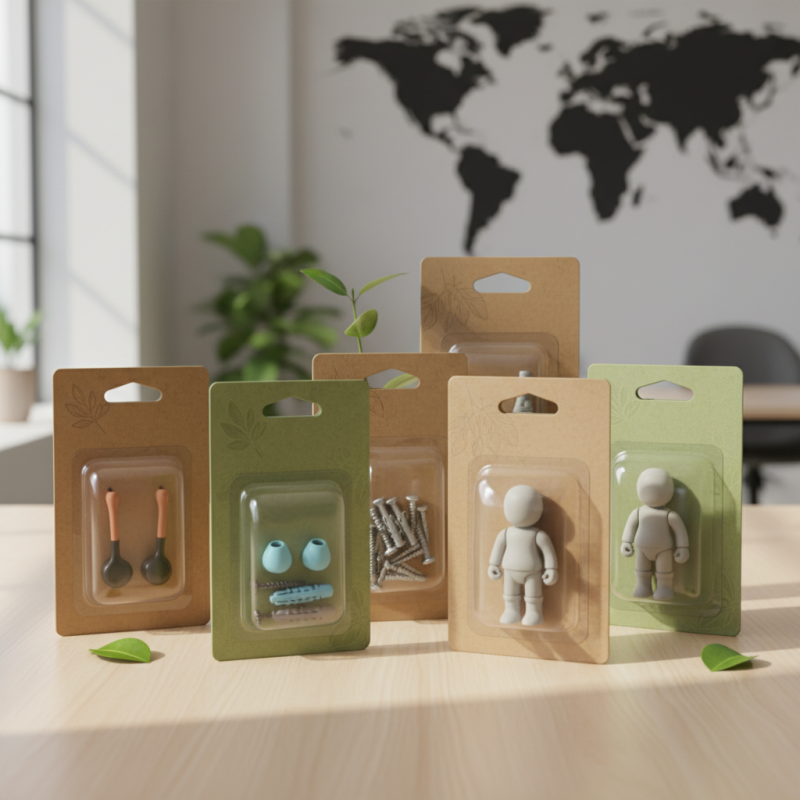
Advantages of Blister Card Packaging for Global Distribution
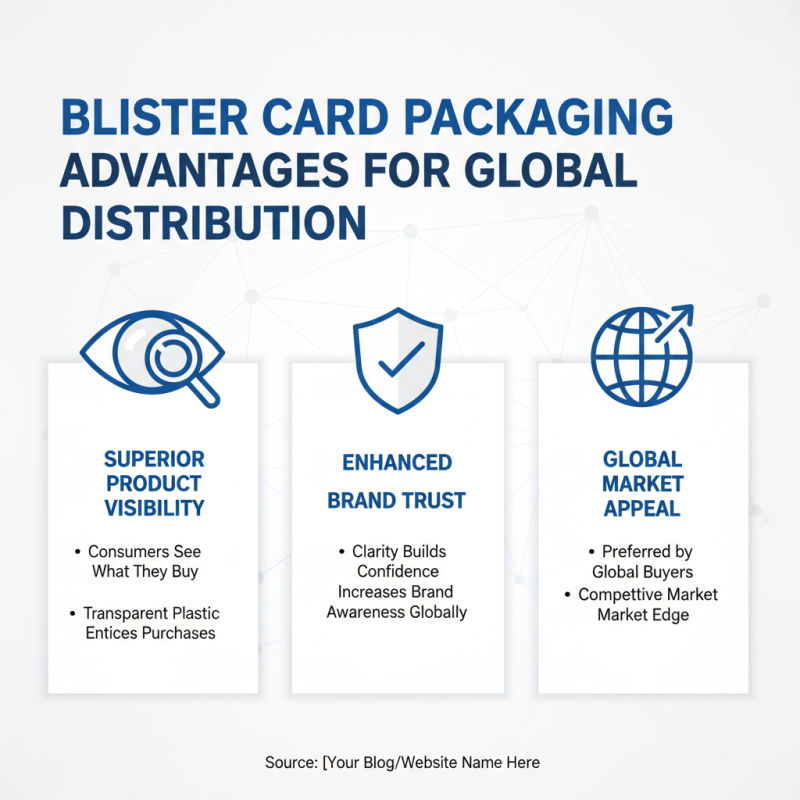
Blister card packaging has gained popularity among global buyers due to its numerous advantages. This type of packaging offers superior product visibility. Consumers can easily see what they are purchasing. The transparent plastic creates an enticing view, encouraging purchases. This clarity can enhance brand trust and awareness, vital in a competitive market.
In addition to visibility, blister card packaging provides excellent protection. It safeguards products from dust, moisture, and damage during transit. The sturdy design minimizes the risk of breakage, which is particularly important for delicate items. This durability is a crucial consideration for global distribution, where products travel significant distances.
Moreover, blister card packaging can be customized to fit various products and sizes. This flexibility allows manufacturers to cater to different market needs effectively. However, some may find the production process complex, requiring careful planning. Balancing design and functionality is not always easy. Overall, the benefits of blister card packaging make it a strong choice for global buyers.
Key Features of Blister Card Packaging That Appeal to Buyers
Blister card packaging has become increasingly popular among global buyers. Its unique features enhance both product visibility and protection. Buyers appreciate that blister card packaging is transparent, allowing consumers to see the product without unboxing. This transparency builds trust, as customers can inspect the quality before purchase.
Another appealing aspect is durability. Blister packs safeguard products from damage during transportation. They are often made from strong plastic materials that resist punctures. This ensures that items remain intact, attracting buyers who value quality assurance.
Tips: Consider incorporating eye-catching designs to make your packaging stand out. Also, use clear labeling to convey important information succinctly. This not only informs buyers but also enhances their shopping experience. Remember, an aesthetically pleasing design can draw customers in but functionality keeps them loyal.
Key Features of Blister Card Packaging That Appeal to Buyers
Market Trends Driving the Demand for Blister Card Packaging
Blister card packaging has gained traction globally, with several market trends fueling its demand. One of the key drivers is the increasing emphasis on product visibility. Clear blister packs allow consumers to see the product before purchasing. This visual appeal improves shopping experiences and encourages sales. Brands aim for maximum transparency to build trust with their customers.
Another significant trend is the rise in e-commerce. Online shopping has surged, prompting a need for packaging that protects products during transit. Blister card packaging provides excellent protection against damage, ensuring items arrive safely. As more buyers shift to online platforms, this packaging solution becomes essential for brands.
Sustainability is also influencing packaging choices. Eco-friendly materials are in demand, prompting manufacturers to innovate. However, not all solutions are perfect. Balancing functionality and sustainability can be challenging. Some brands may struggle to find materials that meet both criteria without increasing costs. This is an ongoing area for reflection and improvement in the packaging industry.
Customization Options in Blister Card Packaging for Diverse Products
Blister card packaging has become essential for global buyers. Its customization options cater to various products, enhancing both aesthetics and functionality. According to recent studies, 78% of consumers prefer products with customizable packaging designs. This statistic highlights the importance of appealing visuals in driving purchasing decisions.
Customization can include size, shape, and material choices. Brands can select from a variety of blister types, such as PVC, PET, and biodegradable options, which opens doors for eco-conscious initiatives. An industry report noted that 65% of consumers are willing to pay more for sustainable packaging. This indicates a clear trend towards environmentally friendly choices, reflecting buyers' values.
There are challenges in customizing blister packaging. Balancing cost and quality is essential. High-quality materials may increase production costs. Additionally, over-customization can lead to longer lead times, which may frustrate buyers. Finding the right balance is critical in meeting market demands while maintaining efficiency.
Environmental Considerations in Blister Card Packaging Choices
Blister card packaging is gaining traction among global buyers due to its environmental benefits. Sustainable materials can reduce the carbon footprint significantly. According to a report by the Environmental Protection Agency, using recyclable materials can cut waste by up to 30%. Global consumers are increasingly aware of eco-friendly packaging. This trend is transforming purchasing decisions.
Manufacturers can explore biodegradable alternatives to traditional plastics. These options can help meet sustainability goals without compromising product safety. Research indicates that consumers prefer products with environmentally friendly packaging. In fact, a Nielsen survey found that 73% of millennials are willing to pay more for sustainable goods.
Tips for choosing blister card packaging include prioritizing recyclable materials. Always check for certifications that ensure environmental compliance. Additionally, consider the product shelf life. Packaging should protect the product effectively while being mindful of ecological impact. Adopting these considerations can enhance brand reputation. However, a balance between cost and sustainability is essential.
What Makes Blister Card Packaging Ideal for Global Buyers? - Environmental Considerations in Blister Card Packaging Choices
| Dimension |
Description |
Environmental Impact |
Cost Effectiveness |
Market Demand |
| Material Selection |
Use of recyclable materials |
Reduces landfill waste |
Moderate cost, higher recycled material savings |
Growing demand for sustainable options |
| Production Process |
Energy-efficient manufacturing |
Lower carbon footprint |
Potentially higher initial investment |
Increasing awareness of energy-efficient practices |
| Design Versatility |
Customizable shapes and sizes |
Enhanced consumer engagement |
Variable costs depending on customization |
High demand for unique packaging solutions |
| Recycling Infrastructure |
Availability of waste management systems |
Supports recycling initiatives |
Cost efficiency varies by region |
Increasing importance in global markets |
| Consumer Awareness |
Growing preference for eco-friendly products |
Promotes sustainable consumer choices |
Can enhance brand loyalty and lower marketing costs |
Rising demand for sustainable brands |