What is Blister Card Printing and How Does It Work?
Blister card printing plays a crucial role in product packaging today. This method combines functionality with visual appeal. As industry expert John Smith states, "Blister card printing enhances product visibility and protection." Companies seek efficient packaging solutions, and blister cards deliver just that.
The process involves creating a plastic bubble to hold items securely. This design allows customers to see the product clearly while keeping it safe. However, not all blister card printing methods achieve the desired results. Some companies struggle with durability and aesthetics.
There's always room for improvement in this competitive market. Businesses must analyze their choices carefully. They should consider cost, design, and sustainability. Balancing these factors is essential for effective blister card printing. Quality remains vital, yet many overlook it for cost savings. Finding the right balance can lead to better outcomes.
What is Blister Card Printing?
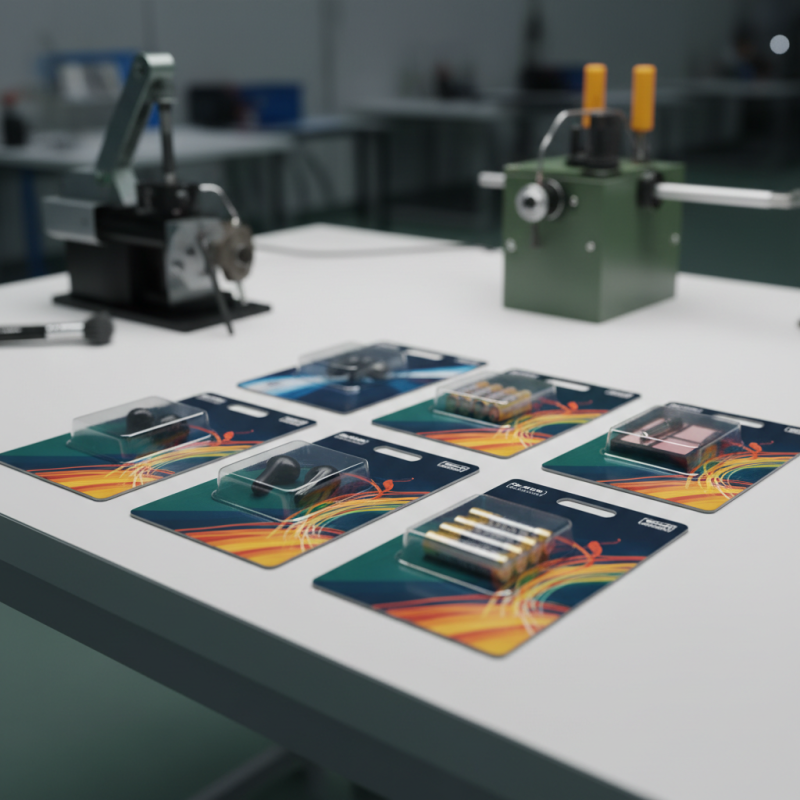
Blister card printing is a specialized packaging solution often used in various industries. It involves creating a sealed package with a clear plastic pocket attached to a printed card. This design allows consumers to see the product while also providing crucial information. According to a recent industry report, the blister packaging market is expected to reach $35 billion by 2026, reflecting its growing relevance.
The process begins with designing the card. This design includes product details, instructions, and branding elements. The creation of the blister itself usually involves thermoforming plastic to shape it accurately. A key advantage is that it offers protection and visibility. However, not all products are suitable for blister packaging. Those that require air exposure or those with irregular shapes may face challenges.
Environmental concerns are becoming critical. Many manufacturers are exploring eco-friendly materials. Yet, achieving sustainability in blister card printing remains a hurdle. While innovative materials exist, they can sometimes compromise durability. Stakeholders must balance between product protection and ecological impact. In summary, blister card printing is efficient, but it requires careful considerations for broader implications.
Components of Blister Card Printing
Blister card printing is a unique packaging method that combines functionality with aesthetics. This type of printing involves several key components that contribute to its effectiveness. At the core is the blister itself, typically made from thermoplastic materials. According to industry reports, this packaging method can extend product shelf life by up to 40%. The clarity and durability of the blister are essential for showcasing the product inside.
Another crucial component is the printed card or backing. This element houses product information, branding, and offers visual appeal. The card is usually made of cardboard or a similar material. It can feature high-quality graphics and finishes that attract consumers. A study indicated that about 70% of consumers make decisions based solely on packaging design. This highlights the importance of investing in quality prints.
Additionally, the sealing process is vital. It ensures the blister and card bond securely. The heat or pressure applied during sealing affects both functionality and aesthetics. However, improper sealing can lead to product exposure and damage. In fact, reports suggest that packaging errors can result in up to 5% return rates due to compromised product integrity. Overall, the components of blister card printing play a significant role in product viability and consumer perception.
Blister Card Printing Components Analysis
The Blister Card Printing Process
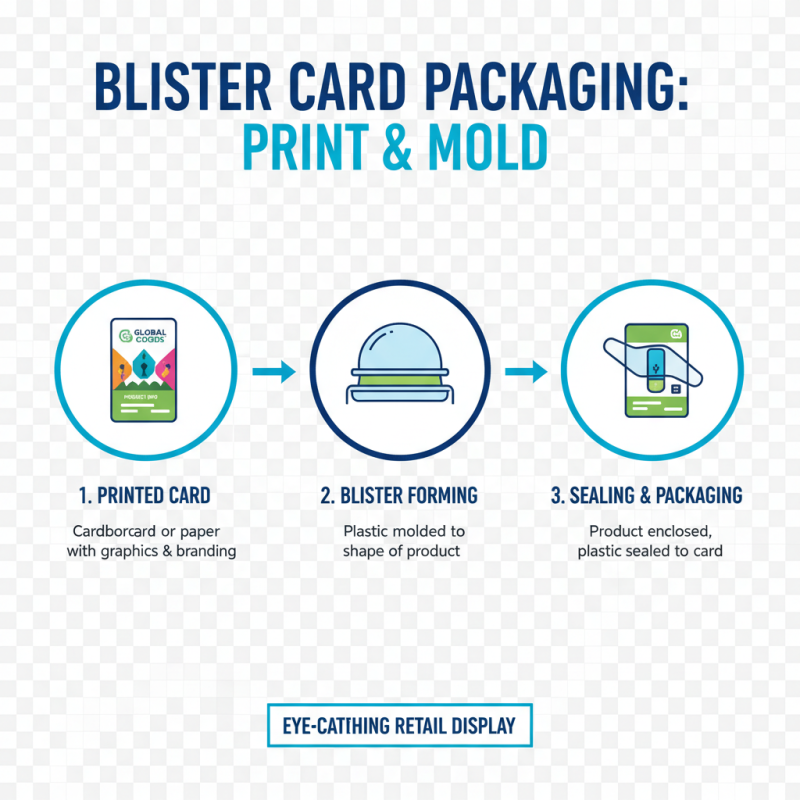
Blister card printing is a unique packaging method that combines printing and molding to create eye-catching displays. The process begins with a printed card, often made of cardboard or paper. This card features graphics, product information, and branding elements. The printed card is essential, as it serves as a backdrop for the blister.
Next, a plastic blister is formed. This is a clear, molded cavity made from PVC or PET material. The blister is designed to hold the product securely while allowing visibility. The plastic is heated and molded into shape, which can be intricate and tailored to the product’s dimensions. The challenge lies in ensuring that the blister fits perfectly with the card, creating a cohesive look.
Assembly comes next. The blister is attached to the printed card using a heat seal, adhesive, or a combination of both. It’s crucial to achieve a strong bond. Any imperfections can lead to sealing issues, affecting product security. Attention to detail matters. After assembly, quality checks assess both the visual appeal and structural integrity. This process highlights the balance between aesthetics and functionality in blister card printing.
Applications of Blister Card Printing
Blister card printing is widely used in various industries. One prominent application is in the pharmaceutical sector. Medications often come in blister packs, making them easy to store and dispense. The clear plastic allows customers to see the product, enhancing visibility. This can increase consumer confidence in the medication's quality and effectiveness.
Another significant application is in retail. Blister cards are commonly used for packaging small consumer goods, such as electronics, toys, and accessories. These packages often include a hook for easy display on store shelves. Retailers enjoy the attractive presentation. The packaging can catch the eye of potential buyers. However, not all designs resonate with consumers. Sometimes, excessive plastic is used, leading to environmental concerns.
In the beauty and personal care sector, blister packaging is also prevalent. Products like cosmetics often come in blister packs. These allow customers to test products in-store. It’s a practical way to minimize waste while providing samples. Yet, the challenge remains in balancing product visibility and sustainability. Companies must rethink their designs to eliminate excess material effectively. This creates room for improvement in both aesthetics and environmental impact.
Advantages of Using Blister Cards for Packaging
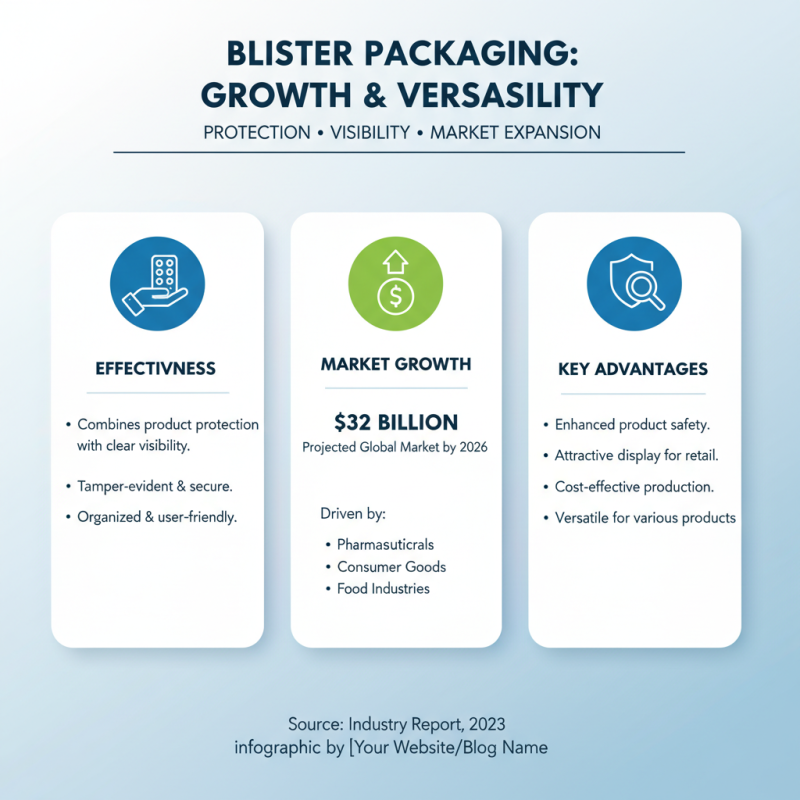
Blister cards are increasingly used in packaging due to their effectiveness and versatility. This method combines both protection and visibility. According to a recent industry report, the global blister packaging market is projected to reach $32 billion by 2026. This growth is primarily driven by the demand in pharmaceuticals, consumer goods, and food industries.
One major advantage of blister cards is their ability to showcase products attractively. They offer clear visibility, allowing consumers to see the item within. This enhances customer appeal and helps with marketing. Additionally, blister cards provide a secure environment for the product, protecting it from damage. In fact, products packaged in blister cards have shown a 15% lower return rate compared to other packaging types.
Another benefit is sustainability. Many blister cards now use recyclable materials. This shift is essential as consumers are increasingly eco-conscious. However, the challenge remains in balancing efficiency and environmental impact. Brands must strive for further improvements. While the trend is positive, the industry needs continuous innovation to address waste concerns effectively.