Blister packs are an essential innovation in packaging solutions, designed to protect and display products, particularly in the pharmaceutical and consumer goods industries. These packaging formats consist of a pre-formed plastic shell that securely encases individual items, making them easy to access while providing a barrier against environmental factors. As consumer demands for convenience and safety continue to rise, blister packs offer an effective means of not only preserving product integrity but also enhancing user experience through transparent visibility and tamper-proof features.
The mechanics of blister packs are both simple and effective. Typically composed of a rigid plastic base and a lidding material, blister packs are capable of accommodating a wide range of products, from tablets and capsules to small electronic components. This versatility has led to their widespread adoption across various sectors, highlighting their role in modern packaging solutions. By combining functionality with aesthetics, blister packs can attract consumer attention while ensuring that products remain uncontaminated and properly dosed.
In a market where first impressions matter, utilizing blister packs can significantly influence purchasing decisions. Their practical design not only facilitates user interaction but also aligns with sustainability efforts as manufacturers explore eco-friendly materials for packaging. As we delve deeper into the world of blister packs, we will uncover their myriad applications, benefits, and the evolving trends that continue to shape their development in the packaging industry.

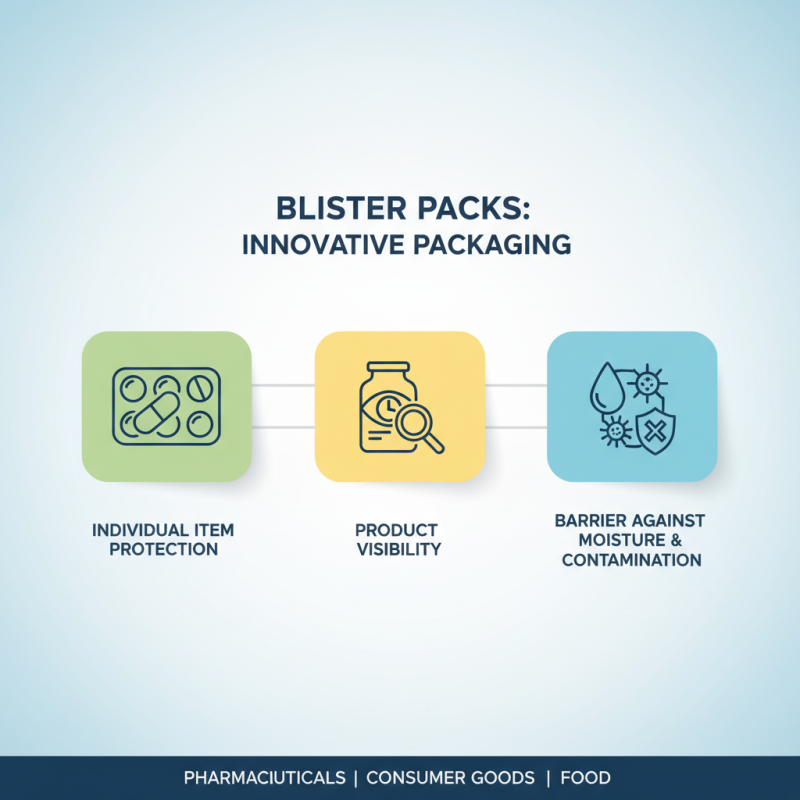
A blister pack is a type of packaging that contains a series of pre-formed plastic cavities, often referred to as blisters, which hold individual items securely. This design not only enhances the visibility of the product but also provides protection from environmental factors such as moisture and contamination. Blister packs are commonly used for pharmaceuticals, consumer goods, and food products, as they ensure that each item remains intact until it is ready to be used.
The structure of a blister pack typically consists of a plastic mold and a sealing foil. The product is placed within the cavity of the mold, which is then sealed with a backing material, often aluminum or a laminated film. This sealing process creates a barrier that preserves the freshness and integrity of the contents. The convenience of blister packs lies in their ability to allow easy access to individual doses or items while minimizing waste, making them an efficient choice for both manufacturers and consumers.
Blister packs are versatile packaging solutions that come in several types, each serving distinct purposes. The most common types include
cavity blister packs, which are designed to hold products securely in individual cavities, making them ideal for tablets and capsules.
Another popular option is skin packs, which feature a plastic film that adheres to the product, providing visibility while protecting it from environmental factors.
Carded blister packs combine a blister shell and a backing card, making them excellent for retail displays, ensuring that products remain visible and secure.
When selecting the right blister pack for your product, consider the specific needs of your item and its target audience. It's essential to think about factors such as product size,
shelf life, and accessibility for consumers.
Tips: Always ensure that the blister pack is designed to prevent tampering while still being easy to open. Additionally, perform tests to confirm that your chosen materials are compatible with your product
to avoid any unwanted reactions or degradation.
Blister packs are versatile packaging solutions commonly used in various industries, notably for pharmaceuticals, consumer goods, and electronics. The effectiveness of blister packs largely relies on the materials used in their construction. The most common materials include PVC (polyvinyl chloride), PET (polyethylene terephthalate), and aluminum. PVC is widely appreciated for its excellent barrier properties and ability to be heat-sealed, making it suitable for products requiring secure packaging. PET, known for its clarity and strength, is often employed when visibility is essential, allowing consumers to see the contents without opening the package. Aluminum, while often used for the blister foil, provides superior protection against moisture and light, which is crucial for items sensitive to environmental factors.
When selecting materials for blister packs, it's essential to consider not only the protective qualities but also the environmental impact. Many manufacturers are now opting for recyclable options or biodegradable materials to address sustainability concerns. A great tip for businesses is to conduct a thorough analysis of their product requirements and consumer preferences to choose the most suitable packaging material effectively.
Additionally, ensuring that the packaging process aligns with industry standards for safety and efficiency is key. Incorporating technology, such as child-resistant features or tamper-evident seals, can enhance the functionality of blister packs, preventing unauthorized access and ensuring product integrity. This thoughtful selection and design approach can significantly improve the packaging experience for both manufacturers and consumers.
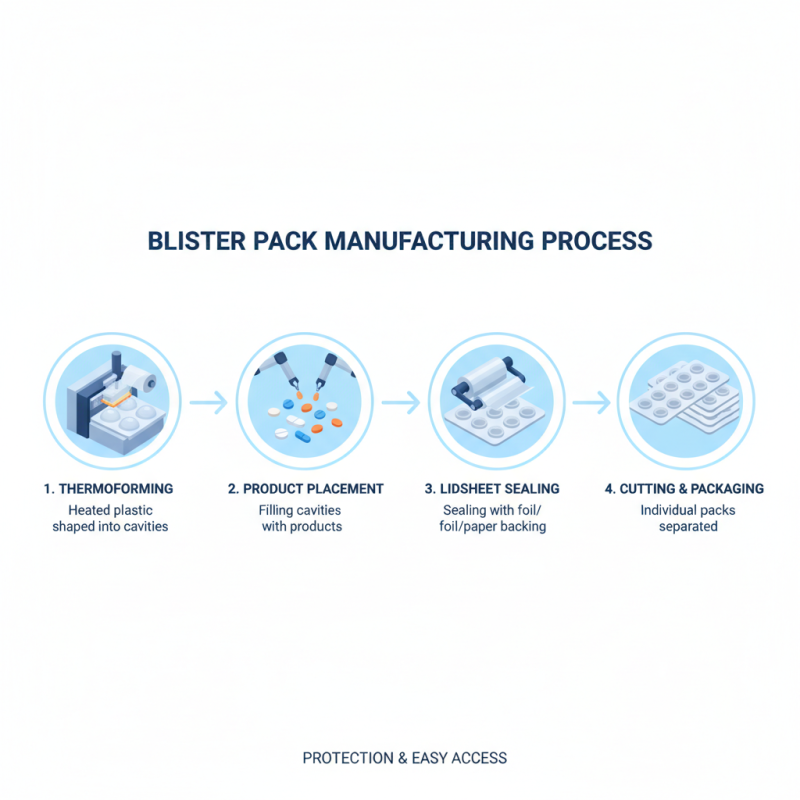
Blister packs are a widely used form of packaging that provides protection and easy access to products, particularly pharmaceuticals and consumer goods. The manufacturing process of blister packs involves a series of precise steps to ensure quality and efficiency. First, a thermoforming machine heats a plastic sheet until it becomes pliable, allowing it to be shaped into individual cavities. This is the initial stage where the design of the blister pack begins to take form.
Once the cavities are shaped, the next step involves filling them with the intended products. In pharmaceutical applications, this can include tablets or capsules. After filling, a backing material, typically made of aluminum or paper, is sealed to the formed plastic using heat or pressure. This step is critical as it ensures the integrity and sterility of the packaged items. Finally, the blister packs are cut into the desired sizes and can be subjected to additional quality control measures before they are packaged for distribution. This meticulous process guarantees that blister packs not only meet safety standards but also provide convenience for consumers.
Blister packs have become a prevalent choice in packaging solutions across various industries, particularly in pharmaceuticals and consumer goods, due to their unique design and functionality. One of the primary benefits of using blister packs is their ability to provide protection against elements such as moisture, light, and air, which can compromise product integrity. According to a report by Grand View Research, the global blister packaging market size is anticipated to reach USD 38.44 billion by 2025, highlighting the growing demand for this type of packaging. The airtight nature of blister packs also helps to extend shelf life, ensuring products remain effective and safe for consumption over longer periods.
However, despite their advantages, there are notable drawbacks associated with blister packs. One significant limitation is the difficulty in recycling. Many blister packs are made from a combination of plastic and aluminum, making them less environmentally friendly compared to other packaging types. A study published in the Journal of Cleaner Production noted that only about 25% of blister pack materials are recyclable, which raises concerns about waste and sustainability practices. Additionally, the initial costs associated with the production of blister packs can be higher compared to alternative packaging solutions, which may deter smaller companies or those with limited budgets from adopting this technology. As companies navigate the balance between functionality and environmental impact, these considerations will play a critical role in the future of packaging strategies.
| Aspect | Benefits | Drawbacks |
|---|---|---|
| Protection | Provides excellent protection against moisture, dust, and physical damage. | Not recyclable in many areas, contributing to environmental waste. |
| Tamper Evidence | Seals indicate if the package has been opened, ensuring product safety. | May require additional steps to verify tamper-evidence for consumers. |
| Marketing | Offers a visually appealing display that can enhance branding and marketing efforts. | Less space for branding compared to other packaging types like cartons. |
| Ease of Use | Easy to open single doses, which is user-friendly for medication and supplements. | Some users may find them difficult to open, especially the elderly or those with disabilities. |
| Cost | Can be cost-effective for high-volume production. | Initial tooling and setup costs can be high for smaller production runs. |