What is a Blister Packing Machine and How Does It Work?
A blister packing machine is essential in modern packaging. It plays a significant role in various industries, especially pharmaceuticals. This machine creates protective packaging for tablets, capsules, and other products.
Understanding how a blister packing machine works can be complex. These machines utilize heat and pressure to form blisters from flexible films. The process often requires precise settings for optimal results. While some operators may struggle with its functions, hands-on training can improve efficiency.
The impact of a blister packing machine on product safety and shelf life cannot be overstated. However, it is vital to ensure proper maintenance to avoid malfunctions. As the industry evolves, staying updated on advancements in blister packing technology is crucial. Exploring these machines further reveals both their potential and limitations.
What is a Blister Packing Machine?
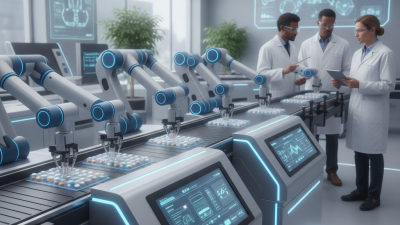
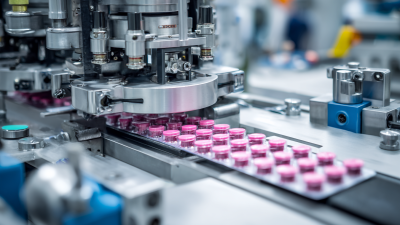
A blister packing machine is a specialized device for packaging products. It is widely used in the pharmaceutical, food, and consumer goods sectors. The machine creates blisters, which are sealed compartments that hold individual items. This method ensures the product remains safe and easy to access.
The process involves several steps. First, a roll of plastic film is heated to form the blister shape. Next, products are placed into the blisters. Finally, a layer of aluminum or paper seals the blisters, keeping the items protected. This method is efficient and minimizes waste.
Tips:
- When selecting a blister packing machine, consider production speed and flexibility. Not all machines accommodate various product shapes well.
Efficiency is not always the primary concern. Every production run must be evaluated for quality. Unexpected delays might occur, and adjustments may be needed.
Tips:
- Regular maintenance of the machine can prevent unwanted breakdowns. Keeping parts clean and functional is essential for smooth operations.
- It's also important to document the machine settings for future runs.
Key Components of a Blister Packing Machine
Blister packing machines are essential in packaging industries. They protect products from external damage. Understanding their key components helps in optimizing their use.
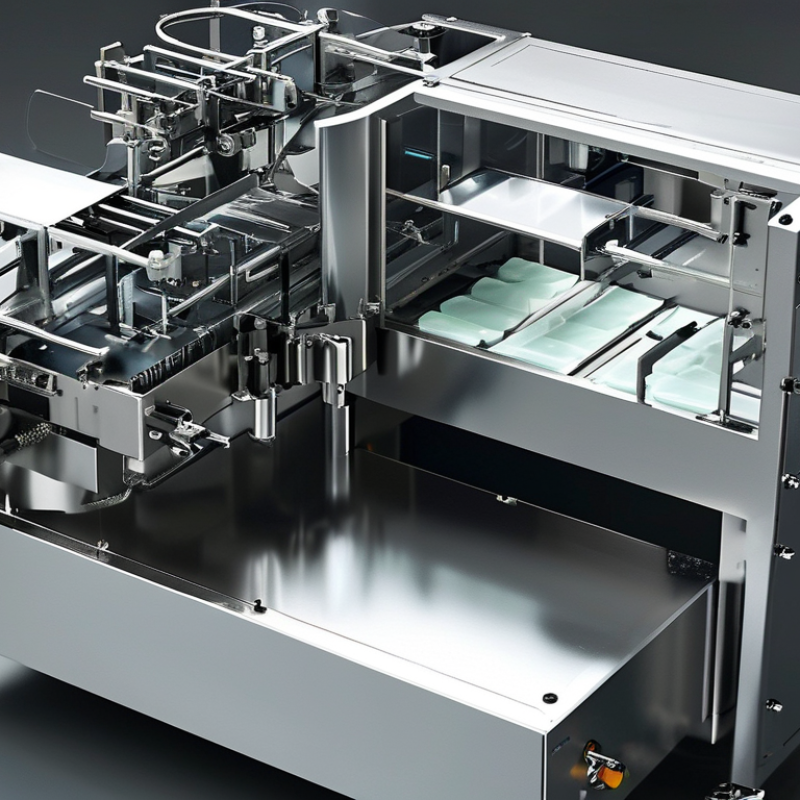
A blister packing machine typically consists of several critical parts. The forming station shapes the material into blisters. The sealing station securely attaches the lid. Both stages must work seamlessly to ensure product integrity. An important aspect is the temperature control during sealing. Too high or too low can lead to poor adhesion. Operators should regularly check the heating elements for consistent performance.
Another vital component is the feed mechanism. It accurately positions the products before sealing. A misfeed can cause significant downtime. Maintenance of this part is crucial for efficiency. Additionally, the control panel allows operators to monitor the process. However, over-relying on automation can lead to oversights. Regular training is necessary to keep staff aware of potential issues. Understanding these elements enhances overall effectiveness in the packaging process.
How Blister Packing Machines Operate: A Step-by-Step Guide
Blister packing machines are essential tools in the packaging industry, especially for pharmaceuticals and consumer goods. These machines use a heat sealing method to create plastic blister packs that securely encase products. The process begins with feeding a roll of forming film into the machine. This material is then heated and shaped into specific cavity forms to hold items like tablets, capsules, or small parts.
Once the forming film is in place, the product is inserted into the cavities. A top layer of lidding film is introduced next. This is where the sealing occurs. The machine applies heat and pressure to ensure a strong bond between the two films. The outcome is a protective pack that extends shelf life and ensures product integrity. However, this process can face challenges. For instance, misalignment can occur, affecting the quality of the seal. Regular maintenance is crucial to minimize such issues.
Adjusting the temperature and pressure settings is vital. Too much heat can damage the product, while insufficient pressure might lead to leaks. Operators must monitor these parameters closely. While blister packing machines are efficient, they require a skilled technician who understands their complexities. Each unit is unique, and operators must adapt to various packaging needs. These factors make the operation of blister packing machines both rewarding and demanding.
Different Types of Blister Packing Machines and Their Uses
Blister packing machines come in various types, each tailored for specific needs. One common type is the Thermoforming blister machine.
This machine shapes plastic sheets into blisters using heat. It's ideal for packaging items like capsules and tablets. Thermoforming ensures a tight seal, enhancing product shelf-life. However, this method can be less flexible for different product shapes.
Another type is the Cold-forming blister machine. This type uses a more advanced sealing technique, often involving aluminum foil. It's prevalent in the pharmaceutical industry due to its superior moisture barrier.
This process maintains the integrity of sensitive medications. Yet, the equipment can be more complex and costly to operate.
Finally, the Semi-automatic blister packing machine offers a balance between efficiency and cost. It provides manual loading, which can be more adaptable for small batches. While this machine type may require more labor, it allows for quicker adjustments.
However, the output may be lower compared to fully automatic counterparts. Each type has its pros and cons, depending on production requirements.
Advantages of Using Blister Packing Machines in Packaging Industries
Blister packing machines play a key role in various industries, especially in pharmaceuticals and consumer goods. These machines offer distinct advantages for packaging products efficiently and effectively. Data shows that around 25% of the global packaging market is dedicated to blister packing, illustrating its significance. By providing enhanced protection, these machines shield products from moisture and contamination, thereby maintaining quality.
One notable benefit is precise dosage delivery. This is crucial in the pharmaceutical sector where medication accuracy is vital. A report from Smithers Pira indicates that blister packs can reduce product waste by up to 30%. This efficiency translates into cost savings for manufacturers. Additionally, branded packaging attracts consumer attention, as it often implies higher quality.
Tip: Regular maintenance of blister packing machines ensures optimal performance. An hour of downtime can cost a manufacturer about $10,000 in lost productivity.
Despite the advantages, there are challenges. Not all products are suitable for blister packing. Companies must consider packaging materials and product compatibility. Running tests before full-scale production can mitigate issues that arise from poor material choices.
Tip: Evaluate market trends. The demand for eco-friendly packaging is growing, pushing manufacturers to pivot towards sustainable materials.
What is a Blister Packing Machine and How Does It Work? - Advantages of Using Blister Packing Machines in Packaging Industries
| Feature |
Description |
Advantages |
| Automation |
Automated process for packing products. |
Increases efficiency and reduces labor costs. |
| Versatility |
Suitable for various products like tablets, capsules, and electronics. |
Can accommodate a wide range of packaging needs. |
| Protection |
Protects products from environmental factors. |
Ensures product integrity and extends shelf life. |
| Customization |
Customizable designs and sizes for packaging. |
Enhances brand visibility and product appeal. |
| Cost-Effectiveness |
Cost-efficient for high-volume production. |
Reduces packaging material costs over time. |