How to Choose the Best Plastic Jar with Lid for Storage?
Choosing the right Plastic Jar with Lid for storage is crucial for efficiency and organization. The global plastic packaging market is projected to reach USD 500 billion by 2025. This growth reflects the rising demand for durable, reliable storage solutions. A well-chosen plastic jar can enhance both home and industrial environments.
When selecting a Plastic Jar with Lid, consider the material and closure type. BPA-free options are gaining popularity due to safety concerns. Reports show that 70% of consumers prefer products labeled as BPA-free. Additionally, the size and shape of the jar should align with your storage needs. An ideal jar offers accessibility and maximizes space usage.
Yet, many consumers overlook essential factors. Not all plastic jars are created equal. Some lids may not provide a tight seal, risking contamination. It's important to test the jars for functionality. Spending time researching can lead to smarter decisions. Understanding these details is key to finding the best storage solutions.
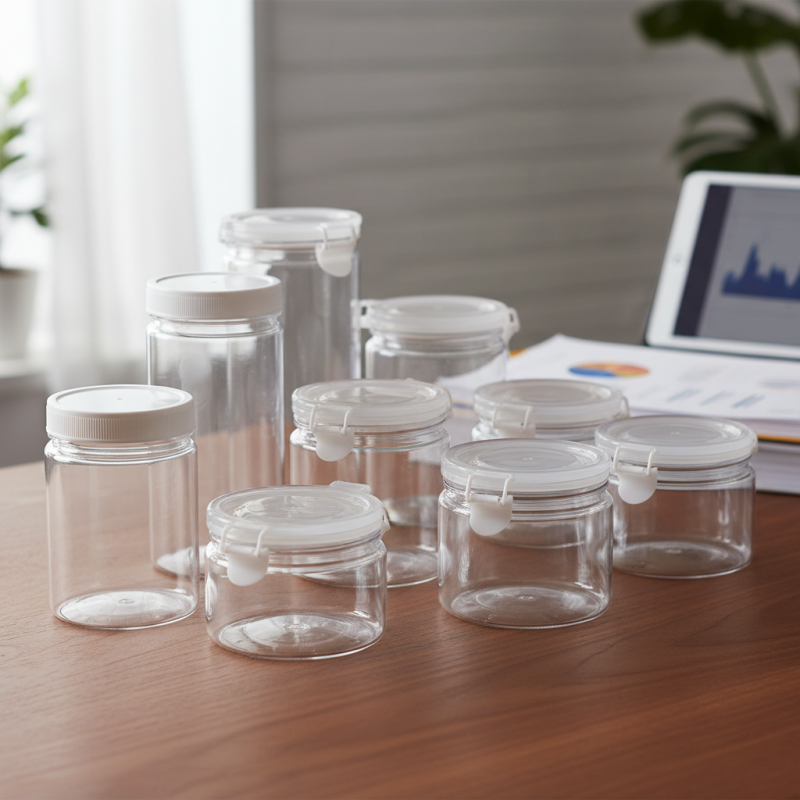
Understanding the Different Types of Plastic Jars with Lids
When it comes to storage, plastic jars with lids are a versatile choice. Understanding the different types can help you select the best one. Typically, plastic jars are made from materials like polyethylene (PE) and polypropylene (PP). According to the Food Packaging Institute, over 30% of food products utilize plastic containers, highlighting their wide acceptance.
There are transparent jars, which are ideal for visibility. Clear storage means you can quickly spot what you’re looking for. Opaque jars offer UV protection for light-sensitive items. The shape also matters. Round jars are a popular choice for liquids, while square models maximize space efficiency.
Tips: Always check the lid's fit. A poor seal can lead to unwanted spoilage.
Additionally, consider the storage environment. Some plastics can warp in high heat. Not all jars are dishwasher-safe, so hand-washing may be necessary.
Be mindful of your choices. Not all plastic is created equal. Some jars may leach chemicals over time. Researching material safety data can prevent long-term issues. Aim for reliable suppliers to ensure the jars meet health standards.
Factors to Consider for Choosing the Right Size and Shape
Choosing the right size and shape of plastic jars with lids is essential for effective storage. Start by evaluating your storage needs. If you're organizing small items, narrow jars work best. For bulk items, opt for wider jars. Consider the volume of items you need to store. Avoid overestimating; too large a jar can waste space, while too small can cause clutter.
Shape matters, too. Round jars are classic and efficient, but square jars maximize space in cabinets. Think about where you’ll store them. If you're using them on shelves, tall jars can fit well. However, round jars might slide around. Remember to think about the lid. A tight-fitting lid is crucial for moisture-sensitive items. Adjustable lids can also provide flexibility as your storage needs change. Be mindful of these factors to make your storage solutions practical and efficient.
Evaluating Material Quality for Durability and Safety
When selecting a plastic jar with a lid for storage, the quality of the material is paramount. High-density polyethylene (HDPE) and polypropylene (PP) are commonly used materials. According to a 2022 industry report, HDPE is resistant to impact and can endure extreme temperatures. It also has a seamless design, making it ideal for preserving food items. Alternatively, PP offers excellent chemical resistance, which is vital for storing various substances safely.
Tips: Check for BPA-free labels. Bisphenol A can leach into food, posing health risks. Always prioritize non-toxic materials to ensure safety during storage.
It's important to reflect on how material choices impact longevity. Some low-quality plastics may warp under heat or become brittle over time. This not only compromises the jar's integrity but also the contents inside. The lifespan of a plastic jar can vary; some might last for years, while others fail within months. Regular assessment of storage containers helps maintain safety and efficiency in organizing items.
Tips: Consider UV protection if storing sensitive items. Ultraviolet light can degrade certain plastics, leading to cracks or leaks. A protective lid enhances durability and safety for stored goods.
Material Quality Evaluation for Plastic Jars with Lids
Key Features for Ease of Use and Storage Efficiency
When choosing a plastic jar with a lid, consider usage and storage efficiency. Look for jars with clear materials. This allows easy visibility of contents. Opt for jars with airtight lids. They keep food fresh longer and protect against spills.
Tips: Check the lid fit before purchasing. A loose lid could cause messes.
The size of the jar matters too. Smaller jars are ideal for storing spices or seeds. Larger ones work well for bulk items like grains. Ensure the shape allows efficient stacking. Cylindrical jars are space savers, while square jars maximize shelf space.
Tips: Measure your storage space before buying. You don’t want to face unexpected challenges later.
Some jars are easy to clean, while others may have awkward corners. This can deter regular use. Choose what feels right for you. Always think about long-term use, as your needs may change.
Comparing Cost-Effectiveness and Brand Reputation
When selecting plastic jars with lids, understanding cost-effectiveness and brand reputation is vital. According to industry reports, the global plastic packaging market is projected to grow to $500 billion by 2024. This highlights the increasing demand for reliable storage solutions. Consumers often lean towards well-known brands, assuming quality correlates with reputation. However, this is not always the case.
Cost-effectiveness can greatly differ across products. A USDA report indicates that consumers frequently overpay for certain well-advertised products. Paying extra does not guarantee superior quality or longevity. Exploring less popular brands may reveal just as reliable options at a lower cost. In fact, data shows that budget-friendly brands often use the same materials as their premium counterparts, but without the expensive marketing.
Assessing both cost and brand reputation is key to wise purchasing. It’s essential to look beyond labels. Many smaller manufacturers provide excellent products. Sometimes, they offer features overlooked by major brands. Ultimately, balancing quality with affordability may lead to surprising finds. Understanding the market can enrich your choices and enhance your storage solutions.