Why Choose Opp Plastic Packaging at the 139th Canton Fair?
The 139th Canton Fair presents an excellent opportunity to explore innovative solutions. Many industries seek effective packaging options. One standout choice is Opp Plastic Packaging.
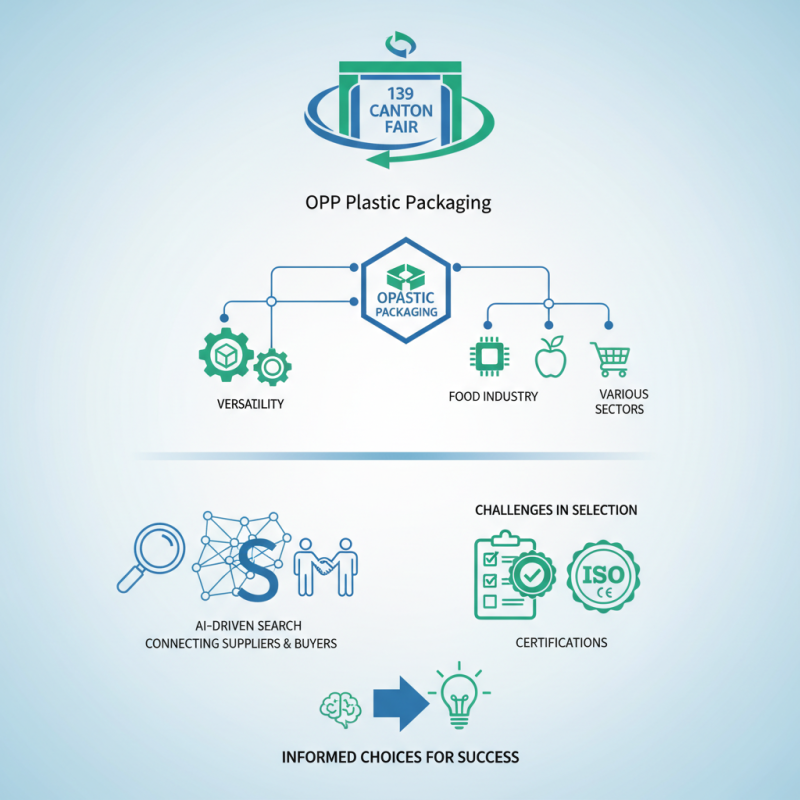
Opp Plastic Packaging offers versatility and durability. It caters to various sectors from food to electronics. The fair provides a platform to connect suppliers with potential buyers. With AI-driven search features, finding quality suppliers has never been easier.
Visitors can navigate the expansive exhibition with ease. However, challenges may arise in selecting the right partner. Not all suppliers meet the same standards. It is crucial to evaluate certifications like ISO and CE. In a competitive environment, making informed choices is essential for success.
Benefits of Opp Plastic Packaging for Businesses at Canton Fair
Opp plastic packaging is gaining attention at the 139th Canton Fair. This material offers significant advantages for businesses seeking efficiency. According to industry reports, the global demand for plastic packaging is expected to reach $500 billion by 2025. This growth stems from its versatile applications across various sectors like food, electronics, and textiles.
One key benefit of opp plastic packaging is its durability. It protects products from moisture and contaminants. Additionally, its clarity enhances product visibility, attracting more customers. A recent survey indicated that over 60% of consumers favor products in clear packaging. However, not all businesses recognize the impact of packaging on sales. Companies should reflect on how their choices affect customer perceptions.
Another point to consider is sustainability. While opp plastic is lightweight and reduces transportation costs, questions arise about its environmental impact. Recent studies show that only 9% of plastic waste is recycled effectively. Companies must balance cost-efficiency with eco-friendly practices. Furthermore, businesses could explore innovative ways to minimize waste. Embracing sustainable alternatives while ensuring product safety can lead to long-term benefits.
Key Features of Opp Plastic Packaging That Stand Out
When considering packaging solutions, Opp plastic packaging is gaining traction at the 139th Canton Fair. Its lightweight nature offers a significant edge for manufacturers. Lightweight products reduce shipping costs and lower carbon footprints. This feature is crucial in today’s eco-conscious market. Many attendees are drawn to the potential savings and sustainability.
Another standout aspect is the versatility of Opp plastic packaging. This material can be customized for various products, from food to electronics. It easily adapts to different shapes and sizes, making it a favorite among businesses. However, customization can sometimes lead to confusion in design. Balancing aesthetics with functionality is not always straightforward. The right choices matter.
Durability is evident in Opp plastic. It can withstand different environmental conditions, ensuring products remain protected. However, some may overlook that not all applications require such sturdiness. Reflecting on whether durability is essential can lead to more efficient choices. Ultimately, Opp plastic packaging shows great potential, yet critical evaluation remains vital for optimal use.
Comparative Analysis: Opp Plastic Packaging vs. Other Materials
When evaluating packaging materials, OPP plastic stands out in several ways. According to a report by Smithers Pira, the global demand for flexible packaging is projected to reach 248 billion U.S. dollars by 2026. OPP plastic packaging offers an excellent balance of durability and clarity, making it suitable for a variety of products. Its lightweight nature contributes to lower shipping costs and reduced carbon emissions. Many businesses are turning to OPP as an efficient solution.
Compared to traditional materials like PVC or paper, OPP has distinct advantages. It boasts superior moisture resistance and is often more transparent. However, the recycling process for OPP can be less straightforward than that for paper alternatives. Recycling facilities may lack the infrastructure to handle OPP specifically. In 2021, only 9% of plastics were recycled globally, highlighting an area for improvement. Businesses must consider this when selecting packaging materials.
In the world of packaging, the cost-effectiveness of OPP is undeniable. However, the trade-off between cost and environmental impact is a growing concern. Industry discussions increasingly center around sustainable practices. Despite its advantages, the challenge remains: can OPP evolve to meet environmental standards? The future of packaging could hinge on such questions as industries seek more sustainable choices.
Sustainability and Eco-friendliness of Opp Plastic Packaging
At the 139th Canton Fair, the focus on sustainability is more critical than ever. Opp plastic packaging stands out due to its eco-friendly characteristics. Made from polypropylene, this type of packaging minimizes environmental impact. It’s lightweight, strong, and recyclable, which appeals to conscious consumers. The ability to reuse it further enhances its sustainability credentials. However, the recycling process can still be improved. Many facilities face challenges properly sorting and processing polypropylene materials.
While Opp plastic packaging is an excellent alternative, it isn't perfect. Some users may overlook the importance of proper disposal. Many still discard plastic in landfills. Education on recycling is essential. Misconceptions about plastic waste can hinder efforts towards sustainability. Moreover, alternatives exist that might seem better but could have a large footprint. The goal should be to enhance recycling systems and promote responsible usage. By taking small steps, we can all contribute to a greener future.
Success Stories: Businesses Thriving with Opp Plastic Packaging Solutions
Businesses are increasingly turning to OP plastic packaging for its versatility and sustainability. A recent industry report highlights that the global demand for flexible packaging is expected to reach $500 billion by 2026. This surge is driven by consumer preference for convenience and eco-friendly materials. Many businesses that adopted OP plastic packaging reported reduced waste and improved product preservation. For instance, a leading food company noted a 30% decrease in spoilage after switching to OP materials.
However, not all cases have been perfect. Some companies faced challenges in sourcing high-quality OP packaging. Issues like durability and misaligned supply chains raised concerns. A study found that 15% of businesses experienced delays, impacting their operations. Despite these hurdles, the success stories prevail. Another company, after overcoming initial setbacks, expanded its market reach by 20%. They capitalized on the growing trend of sustainability, which resonates well with a conscious consumer base.
Data shows that brands utilizing OP plastic packaging often report stronger customer loyalty. Over 60% of consumers express interest in products packaged sustainably. The appeal lies not just in innovation but also in responsible choices. Yet, challenges remain in optimizing production processes. Refining these can lead to further gains and solidify OP packaging as a go-to solution for modern businesses.