Why Choose Stock Blister Packaging for Your Product Needs
In the ever-evolving landscape of packaging solutions, businesses face the challenge of selecting the most effective method to meet their product needs. Stock blister packaging stands out as a versatile and cost-efficient option, appealing to various industries. John Smith, an expert in packaging technology with over 20 years of experience, emphasizes the importance of selecting the right packaging for product visibility and safety. He states, "Stock blister packaging not only protects your product but also enhances its presentation, making it an ideal choice for both manufacturers and consumers."
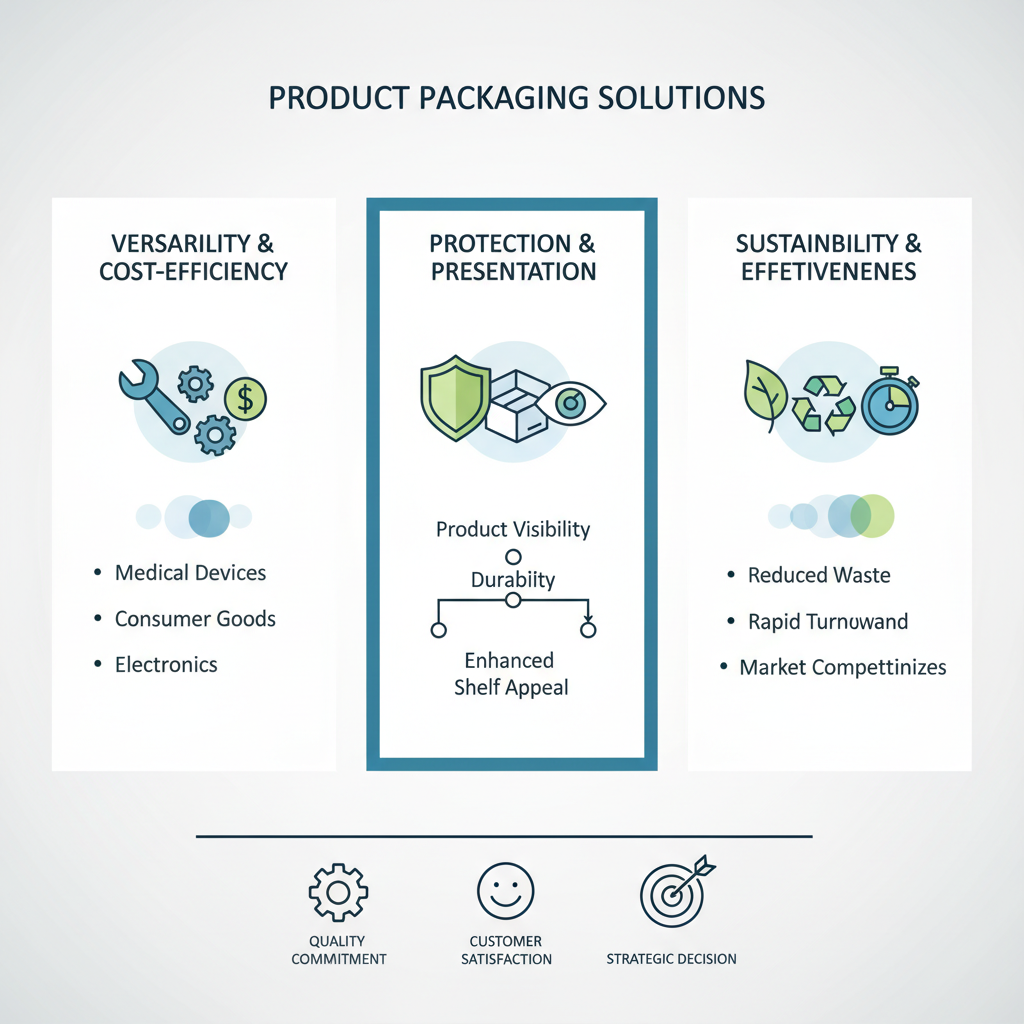
With its ability to provide a clear view of the product inside while ensuring durability, stock blister packaging caters to a wide range of items, from medical devices to consumer goods. This type of packaging not only streamlines production processes but also supports environmentally sustainable practices by reducing waste materials. As businesses strive to balance quality and cost-effectiveness, stock blister packaging emerges as a practical solution, allowing for rapid turnaround times and increased market competitiveness.
In conclusion, choosing stock blister packaging is not merely about aesthetics or protection; it is a strategic decision that reflects a company’s commitment to quality and customer satisfaction. By understanding the unique benefits of stock blister packaging, businesses can enhance their product offerings and make informed choices that align with their overall goals.
Benefits of Stock Blister Packaging in Product Protection and Visibility
Stock blister packaging has garnered attention for its significant benefits in product protection and visibility. One of the primary advantages of this type of packaging is its ability to safeguard products from external factors such as moisture, dust, and physical impact. This protection ensures that the product remains intact and functional, appealing to customers who prioritize quality.
Additionally, the clear plastic material used in blister packaging allows consumers to see the product before purchase, which enhances trust and encourages buying decisions.
Tip: When selecting stock blister packaging, consider the specific needs of your product. Ensure that the design not only highlights the product visually but also provides the necessary protection it requires during transport and display.
Another benefit of stock blister packaging is its versatility. It can accommodate a wide range of products from electronics to pharmaceuticals, making it a suitable choice for various industries. Moreover, stock blisters can be easily customized with printing options for branding purposes, further enhancing product visibility on retail shelves.
Tip: Always evaluate your branding goals when designing blister packaging. Customizing your packaging can significantly influence consumer perception and foster brand loyalty.
Cost-Effectiveness of Stock Blister Packaging Compared to Custom Options
Stock blister packaging has become a popular choice among businesses looking to balance quality with cost efficiency. One of the significant advantages of opting for stock blister packaging is its cost-effectiveness compared to custom options. Custom packaging often entails higher design and production costs, as well as longer lead times. In contrast, stock options are readily available and generally come at a lower price point, making them an ideal solution for companies aiming to reduce production expenses without compromising on the presentation of their products.
Tips: When selecting stock blister packaging, consider not only the price but also the design elements that resonate with your brand. Ensure that the packaging material protects the product while enhancing its visibility on shelves. Additionally, evaluate the size and shape of the blister packs to find the best fit for your products, avoiding unnecessary material waste.
Stock blister packaging also offers the advantage of faster turnaround times. Companies can access pre-designed blisters, allowing for a quicker transition from production to market. This efficiency can lead to improved inventory management and reduced storage costs, providing vital budgetary benefits. By investing in stock blister packaging, businesses can maintain a competitive edge while ensuring their products stand out.
Environmental Impact: Sustainability Trends in Blister Packaging Materials
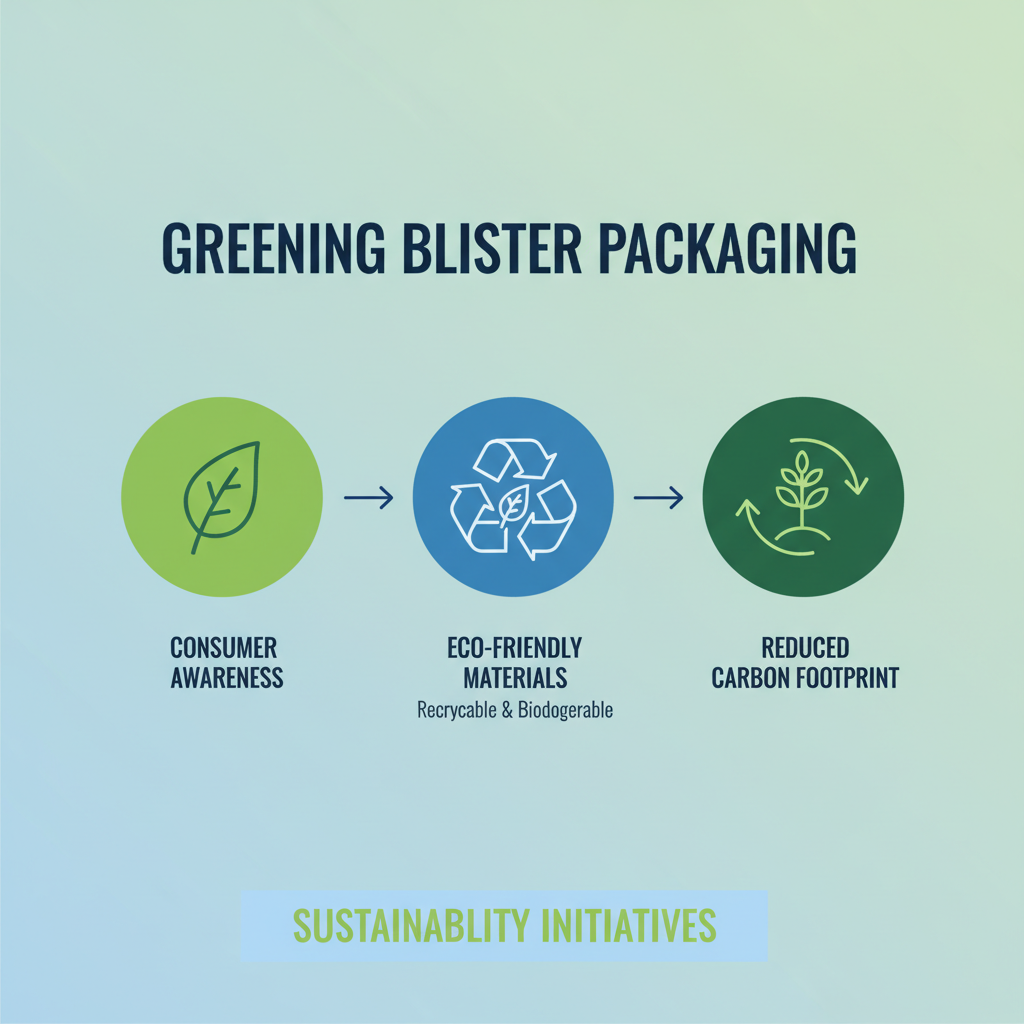
The environmental impact of packaging has gained significant attention as consumers become increasingly aware of sustainability issues. Blister packaging, known for its durability and visibility, is now making strides toward more eco-friendly materials and processes. Manufacturers are increasingly opting for recyclable and biodegradable substances, reducing the carbon footprint associated with traditional plastic options. This is particularly important as industries strive to align their practices with consumers' growing preference for environmentally responsible products.
Moreover, advancements in technology are enabling the development of innovative blister packaging solutions that utilize less material without compromising product protection. These sustainable alternatives not only minimize waste but also enhance efficiency during the packaging process. As companies commit to sustainability trends, the integration of eco-conscious materials in blister packaging becomes essential, reflecting a wider shift towards responsible manufacturing practices. By choosing stock blister packaging that emphasizes these sustainable materials, businesses can meet consumer demands while contributing positively to the environment.
Market Insights: Growth of Blister Packaging in the Consumer Goods Sector
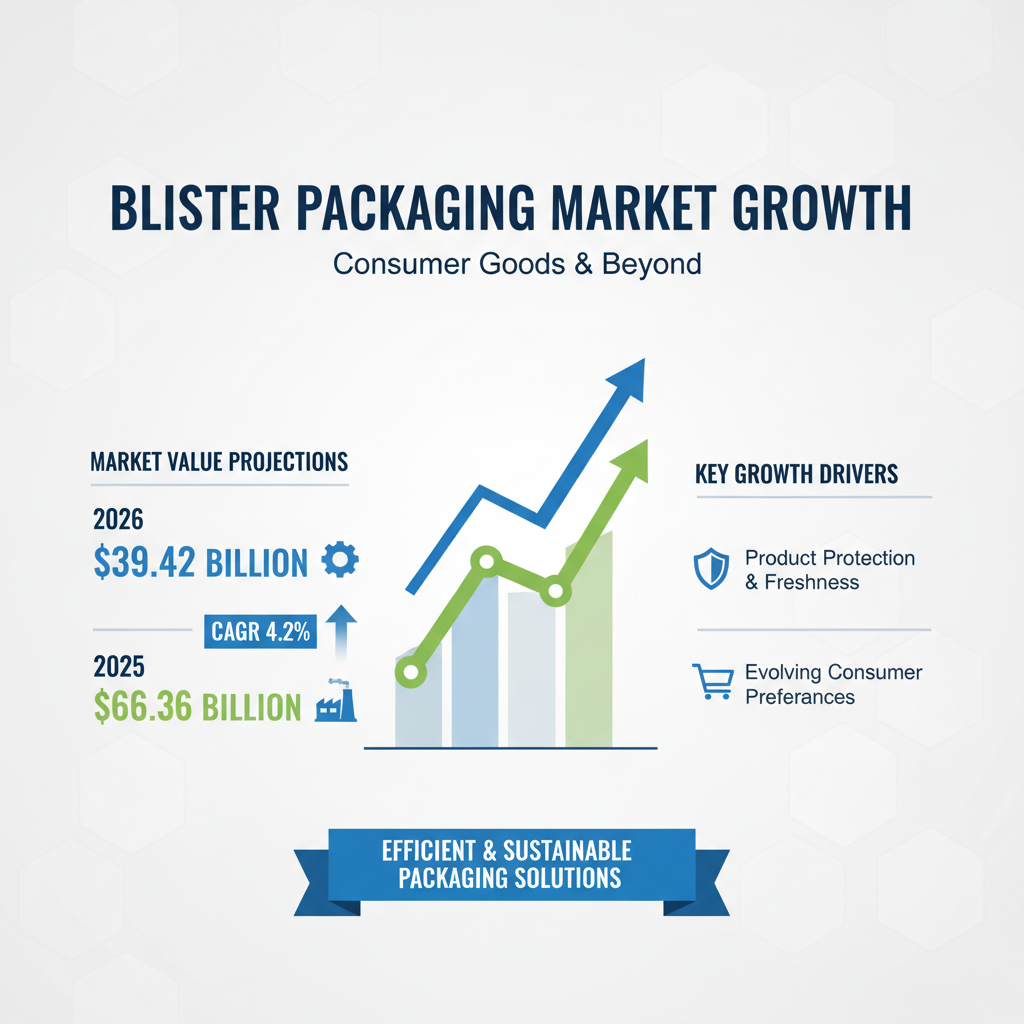
The blister packaging market is experiencing significant growth within the consumer goods sector, driven by evolving consumer preferences and the need for effective product protection. By 2026, the packaging machinery market is projected to reach $39.42 billion, further expanding to $66.36 billion by 2035, with a compound annual growth rate (CAGR) of 4.2%. This upward trajectory is indicative of the growing demand for efficient and sustainable packaging solutions across various industries.
In particular, the tablet packaging machine segment is set to witness remarkable growth, with expectations to reach $16.4 billion by 2025 and soar to $42.4 billion by 2035, showcasing a robust CAGR of 10%. Additionally, the global packaging foam market is anticipated to climb from $160.3 billion in 2025 to $250.1 billion by 2032. These statistics reflect a broader trend towards innovative packaging methods, such as blister packaging, which offers advantages like visibility, tamper resistance, and enhanced shelf life, catering to the modern consumer's demands for convenience and safety.
Regulatory Compliance: Ensuring Safety Standards with Blister Packaging Solutions
Blister packaging has become an essential choice for many industries, particularly due to its ability to meet stringent regulatory compliance standards. As safety remains a top priority for manufacturers, blister packaging offers an effective solution by providing a secure barrier that protects products from contamination and damage. The transparent nature of blister packs allows for easy visibility of the product while ensuring that it is safely enclosed, which is particularly important in industries such as pharmaceuticals and food.
Moreover, blister packaging is designed to comply with various regulatory requirements set forth by organizations such as the FDA or ISO. These standards often include specifications related to material safety, child resistance, and traceability. By choosing blister packaging, businesses not only demonstrate their commitment to product safety but also reinforce consumer trust. This attention to compliance not only mitigates risks but also enhances the brand's reputation, making it a strategic choice for manufacturers looking to thrive in a competitive market.