How to Choose the Best Blister Packaging Materials for Products?
Choosing the right blister packaging materials is crucial for product safety and consumer satisfaction. Different products require specific packaging solutions. The right materials ensure protection from environmental factors and enhance product visibility.
Many options are available in the market today, from PVC to PET and beyond. Each material has unique properties that affect durability and cost. It's important to consider the product type, shelf life, and customer preferences when deciding on blister packaging materials.
Mistakes in selecting materials can lead to increased costs or damaged products. Research and testing different options can provide valuable insights. Balancing functionality with aesthetic appeal is key. By understanding the strengths and weaknesses of various materials, you can make informed decisions that enhance product appeal and safety.
Understanding Blister Packaging: Definition and Applications
Blister packaging is a widely used method for protecting products from damage and contamination. It consists of a pre-formed plastic cavity or pocket that holds the product securely. According to a recent market analysis report from Research and Markets, the blister packaging market is projected to reach $31 billion by 2027, growing at a CAGR of 5.4%. This growth reflects the rising demand for consumer goods that require effective packaging solutions.
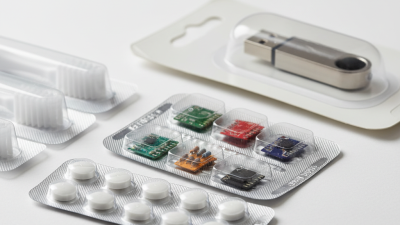
Understanding the applications of blister packaging is crucial for manufacturers. This type of packaging is often used in the pharmaceutical industry for tablets and capsules. It ensures that products remain safe and hygienic until the point of use. Additionally, blister packaging is popular in the food sector for items like snacks and single-serve portions.
However, manufacturers must choose materials wisely. Polyvinyl chloride (PVC) and polyethylene terephthalate (PET) are common choices, each with its pros and cons.
While blister packaging offers many benefits, there are limitations. The environmental impact of plastic waste is significant. Many materials are not recyclable, creating a sustainability challenge. Companies need to consider life cycle assessments to minimize their ecological footprint. This complexity highlights the importance of selecting the right materials and practices in blister packaging.
Key Materials for Blister Packaging: A Comprehensive Overview
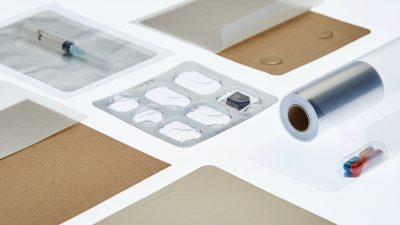
Blister packaging plays a crucial role in product safety and presentation. Choosing the right materials for blister packaging can significantly impact the product’s integrity. Typically, materials include PVC, PET, and aluminum. Each material offers distinct benefits and limitations, influencing decision-making in various industries.
According to a recent market analysis, PVC accounts for 42% of the blister packaging market. Its versatility makes it popular, but concerns over environmental impact are rising. In contrast, PET is gaining traction due to its recyclability, covering approximately 30% of the market share. Interestingly, aluminum, while less common, provides excellent barrier properties, making it suitable for sensitive products.
Cost-effectiveness is a crucial factor. Manufacturers often face a dilemma between premium materials and budget constraints. Investing in high-quality materials reduces damage risks but may inflate costs. Understanding material performance and environmental implications is essential for informed choices. Balancing cost with product protection demands careful consideration, especially amidst evolving consumer preferences toward sustainability.
Comparison of Blister Packaging Materials
Factors Influencing Material Selection: Durability, Cost, and Safety
Choosing the right blister packaging materials is critical. Factors like durability, cost, and safety play vital roles in this process. Durability ensures that your products remain protected during handling and shipping. Consider materials that can withstand various environmental conditions. For example, choose stronger plastics for delicate items.
Cost is always a concern for businesses, but it shouldn't compromise quality. Evaluate the long-term benefits of using durable materials against initial expenses. Sometimes, a higher upfront cost can save money through reduced returns and damage. A cheaper material might lead to more frequent product damages, affecting your overall budget.
Safety is paramount. Ensure that all materials comply with industry standards. Some materials may harm the product or pose health risks. Regularly review your suppliers to maintain safety standards.
**Tip**: Test different materials with your products. Small trials can reveal unexpected results. **Tip**: Document the performance of each material over time. It can help identify the best choices. Remember, risk assessment in material selection is essential for your product's success.
Sustainability Considerations in Blister Packaging Materials Choice
Sustainability is increasingly vital in blister packaging materials. As consumers become more eco-conscious, brands must adapt. Materials like PVC and polystyrene are popular, but their environmental impact is significant. Research shows that over 30% of packaging waste comes from non-biodegradable sources. Transitioning to biodegradable or recyclable options can minimize this waste.
Recyclability is crucial. Measures show that only 9% of plastic waste is actually recycled. Opting for materials like PET or biodegradable films can enhance a brand's sustainability profile. Studies indicate that consumers are willing to pay more for eco-friendly packaging, reflecting a growing desire for sustainable choices.
**Tip:** Consider using minimal packaging. Reducing the size of the blister can save material and decrease waste.
**Tip:** Evaluate your supply chain. Working with eco-conscious suppliers can help. Ensure materials are sourced responsibly and can be recycled.
Creating a balance between product protection and sustainability remains challenging. The industry is still learning to innovate without compromising the environment. Adapting to sustainable practices is a journey, not a destination.
Market Trends and Innovations in Blister Packaging Technologies
Blister packaging has evolved significantly over the past few years. Innovations in materials and design are reshaping how products are presented. Sustainability is now a main focus. Many manufacturers are exploring eco-friendly options. These include biodegradable materials and recyclable plastics. This shift responds to consumer demand for greener choices.
Advanced technologies are also enhancing blister packaging performance. Improved barrier properties keep products fresh and extend shelf life. Digital printing techniques allow for customized designs and branding. This personal touch can attract more consumers. However, the industry faces challenges in balancing cost and quality. Larger upfront investments may deter smaller businesses.
The rise of automation is transforming production processes. Fast and efficient production lines reduce labor costs. Yet, investing in automation requires careful planning. Companies must consider the long-term benefits against initial expenses. As the market evolves, staying updated on trends is crucial. Emerging technologies will continue to influence blister packaging in the coming years.
How to Choose the Best Blister Packaging Materials for Products? - Market Trends and Innovations in Blister Packaging Technologies
| Material Type |
Properties |
Applications |
Market Trend |
Innovations |
| PVC |
Lightweight, durable, and moisture-resistant |
Pharmaceuticals, toys, electronics |
Steady demand in healthcare sector |
Biodegradable additives to reduce environmental impact |
| PET |
Strong, shatterproof, high clarity |
Consumer goods, food items |
Growing popularity in sustainable packaging |
Recyclability improvements and new designs |
| PVDC |
Excellent barrier properties, heat-sealable |
Pharmaceuticals, food preservation |
Increased focus on product shelf-life |
Advanced multilayer technologies for enhanced barrier |
| Aluminum |
Robust, good thermal conductivity |
Medicines, cosmetics |
Rising demand for tamper-proof packages |
Innovative coatings for increased durability |
| Paperboard |
Recyclable, customizable prints |
Consumer electronics, beauty products |
Shift towards eco-friendly packaging solutions |
Integration of smart packaging technologies |