How to Choose the Right Thermoformed Packaging Trays?
Choosing the right thermoformed packaging trays is crucial for product integrity and shelf appeal. According to packaging expert Dr. Emily Johnson, "The right packaging enhances brand value and product safety." Her insights guide many in the industry to make informed choices.
Understanding your specific needs is essential. Different products require different materials and designs. For example, food packaging demands high hygiene standards. In contrast, electronics require shockproof designs. This knowledge will lead to better thermoformed packaging trays that meet your requirements.
Customization is key. Many companies overlook this factor. A standard tray might not suit unique product shapes. Investing in tailored solutions can significantly impact customer satisfaction. It’s a learning curve for many brands, yet essential for success in today's competitive market.
Understanding Thermoformed Packaging Trays: An Overview
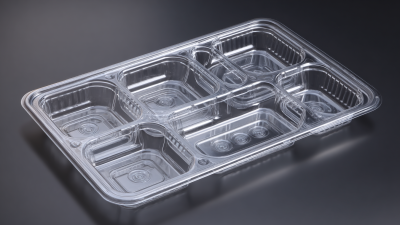
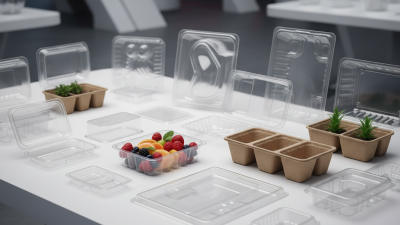
Thermoformed packaging trays have gained popularity in various industries, including food and pharmaceuticals. Understanding their construction is crucial. These trays are made by heating plastic sheets until pliable, then molding them into specific shapes. This process allows for design flexibility, making them ideal for diverse applications. Their lightweight nature can help reduce shipping costs significantly.
When choosing thermoformed trays, consider the material. Different plastics offer varying levels of durability and insulation. For example, PET is often chosen for its clarity and recyclability. It is essential to analyze the requirements of your product. Poor choices can lead to product damage or spoilage.
**Tips:**
Select the right gauge for your product weight. Thicker trays provide better protection but can increase costs.
Test prototypes before full production. This step can reveal design flaws or material failures.
Stay updated on material trends. Changes in regulations can affect compliance and sustainability.
How to Choose the Right Thermoformed Packaging Trays? - Understanding Thermoformed Packaging Trays: An Overview
| Dimension |
Material Type |
Application |
Advantages |
Considerations |
| 9 x 6 x 2 inches |
PET (Polyethylene Terephthalate) |
Food Packaging |
High clarity, FDA approved |
Temperature sensitivity |
| 12 x 8 x 3 inches |
PS (Polystyrene) |
Electronics Packaging |
Cost-effective, lightweight |
Less eco-friendly |
| 10 x 10 x 4 inches |
PVC (Polyvinyl Chloride) |
Medical Applications |
Chemical resistance |
Temperature limitations |
| 8 x 4 x 2.5 inches |
PLA (Polylactic Acid) |
Biodegradable Packaging |
Environmentally friendly |
Moisture sensitivity |
Factors to Consider When Choosing Thermoformed Packaging Trays
Choosing the right thermoformed packaging trays involves various factors that impact both functionality and sustainability. First, consider the material used. Popular materials include PET and PS, each with unique properties. A study by MarketsandMarkets highlights that the thermoformed packaging market is expected to reach $60 billion by 2025. This growth emphasizes the importance of understanding material characteristics, such as recyclability and strength.
Another critical factor is the design of the trays. Effective design can enhance product visibility and protect contents during transit. Research suggests that 37% of consumers prefer packaging that is easy to open, demonstrating the significance of user-friendly designs. It's essential to align the tray design with the target market's preferences and product requirements.
**Tip:** Always conduct a thorough cost-benefit analysis. Sometimes, a more expensive tray could result in savings through reduced damage claims.
The size and shape of the trays should match your product dimensions closely. Mismatches often lead to wasted materials or inadequate protection. According to industry reports, improper packaging can lead to increased spoilage rates—making alignment essential.
**Tip:** Experiment with prototypes before committing to large orders. Testing can unveil unforeseen issues, allowing for adjustments.
Types of Materials Used in Thermoformed Packaging Trays
When choosing thermoformed packaging trays, understanding the materials is crucial. Various plastics are used, each offering unique properties. Common materials include PET, PVC, and polystyrene.
PET is known for its clarity and strength. It is often preferred for food applications due to its safety and recyclability.
PVC is versatile but less eco-friendly.
Polystyrene is cost-effective but can be brittle, making it less reliable under stress.
One important consideration is the end use of your packaging. For fragile items, a robust material like PET works well. For heavier products, consider using trays with reinforced designs. Always assess how much protection your product needs. This choice impacts product safety and customer satisfaction.
Tips: Look for trays that are easy to stack and store. Efficient packaging can save on space and shipping costs. Think about sustainability, too. Choosing recyclable materials can enhance your brand’s reputation.
Ultimately, selecting the right material involves balancing cost, performance, and environmental impact. Reflect on the long-term implications of your choices. Sometimes, the cheapest option may lead to higher costs down the line. Prioritize quality and reliability to avoid potential issues.
Evaluating Tray Design for Specific Products and Uses
Choosing the right thermoformed packaging trays involves careful consideration of the product's specific needs. Different products require different tray designs. For example, food trays may need to be leak-proof and made from safe materials. In contrast, trays for fragile items should focus on cushioning and impact resistance. Understanding these needs is crucial for effective packaging.
The shape and size of the tray also play a significant role. A well-suited design can minimize movement during transport. It can prevent damage and maintain product quality. Additionally, consider the stacking capability of the trays. Stacking trays efficiently saves space and reduces shipping costs. However, if the trays are not designed well, they may collapse under weight.
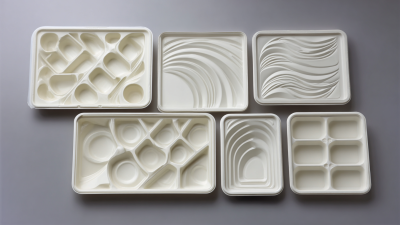
Another factor to evaluate is sustainability. Eco-friendly materials are increasingly important for many consumers. While cost is a consideration, incorporating sustainable practices can enhance brand reputation. It's a challenging balance to strike. Each choice has trade-offs that should be thoughtfully assessed. The right decision can lead to better customer satisfaction and improved product performance.
Sustainability and Eco-Friendly Options in Thermoformed Trays
When selecting thermoformed packaging trays, sustainability is a crucial consideration. Many consumers prefer eco-friendly options. A report by Smithers states that the demand for sustainable packaging will grow by 20% by 2025. This shift is driven by increased environmental awareness.
Using biodegradable materials can significantly reduce ecological footprints. Options such as PLA (polylactic acid) offer durability while being compostable. However, not all eco-friendly choices are created equal. It's vital to assess the entire lifecycle of the material. Some may biodegrade slowly or require specific conditions to break down properly.
Remember, investing in sustainable packaging is not just good for the planet. It can enhance brand reputation. Customers often reward companies committed to environmental responsibility.
Tip: Research certified materials from reputable sources to ensure your packaging is truly sustainable.
Consideration of local recycling options is also essential. Packaging that can be returned or reused reduces waste. Think critically about sourcing and production processes, as these impact sustainability.
Tip: Collaborate with suppliers who prioritize eco-friendly practices. This ensures a more responsible choice in your packaging journey.