Small Clamshell Packaging Benefits for Global Buyers Explained
In the evolving landscape of packaging solutions, small clamshell packaging has emerged as a favored choice among global buyers. This innovative packaging type offers distinct advantages for various products. According to Dr. Emily Tran, an industry expert in sustainable packaging, "Small clamshell packaging not only enhances product visibility but also improves consumer safety."
One of the key benefits of small clamshell packaging is its ability to protect delicate items effectively. These packages are designed to provide sturdy protection, minimizing damage during shipping and handling. Additionally, they ensure easy access for consumers, making the experience more enjoyable. Yet, despite these advantages, some consumers express concerns about plastic waste. This presents a challenge for manufacturers seeking to balance functionality with environmental responsibility.
Moreover, small clamshell packaging can be customized to fit branding needs. This flexibility allows companies to stand out in a crowded marketplace. However, the potential for over-packaging raises questions about sustainability. As businesses pursue growth, they must reflect on the long-term implications of their packaging choices. This underscores the importance of making informed decisions in the pursuit of increased market appeal and consumer trust.
Key Features of Small Clamshell Packaging in Global Markets
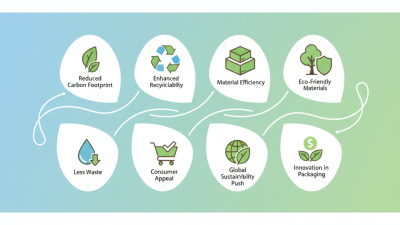
Small clamshell packaging has gained popularity in global markets due to its versatility and protective features. The packaging is typically made from recyclable materials, appealing to environmentally conscious consumers. Studies show that about 70% of buyers prefer eco-friendly packaging options. This trend highlights the significance of sustainability in decision-making processes.
The design of small clamshells allows for efficient product visibility and accessibility. Consumers appreciate being able to see the product before purchasing. According to a report by Market Research Future, the clamshell packaging market is expected to grow by over 5% annually through 2025. This growth indicates a strong demand for packaging that combines practicality with aesthetics.
However, the challenge remains in achieving the right balance between durability and eco-friendliness. Some manufacturers may prioritize strength, leading to potential sustainability issues. As buyers increasingly seek transparent practices, the industry must reflect on its impact. There is a need for continuous innovation in materials and production methods. This reflection can drive improvements and ultimately benefit both consumers and the environment.
Advantages of Small Clamshell Packaging for Product Protection
Small clamshell packaging offers a unique approach to product protection that appeals to various global buyers. This type of packaging is designed to provide a secure enclosure for products, reducing the risk of damage during transport. According to a report from Smithers Pira, clamshell packaging can reduce breakage rates by up to 35%. This statistic highlights the effectiveness of clamshells in maintaining product integrity, particularly in markets where freight conditions can be unpredictable.
Moreover, small clamshells are user-friendly. They often feature a hinge design that allows for easy opening. Consumers appreciate not having to struggle with packaging. Research shows that convenience can drive nearly 70% of purchasing decisions. However, it’s essential to consider that while clamshells protect products from external hazards, they can sometimes be difficult to recycle. This has resulted in critiques from sustainability advocates. Brands must navigate these challenges to meet consumer expectations while being environmentally responsible.
Effective product visibility is another benefit. Small clamshells often allow customers to see the product without opening the package. A study by the Packaging Association states that products in clear packaging see a 15% sales increase. Nevertheless, buyers should be aware that this benefit is balanced against the need for adequate material thickness. Overly thin packaging may not provide sufficient durability. Finding the right balance is crucial to maximize both protection and appeal.
Sustainability Considerations in Small Clamshell Packaging
Sustainability plays a crucial role in small clamshell packaging. These packages are often made from recyclable materials, which can significantly reduce environmental impact. However, not all clamshells are created equal. Buyers need to review the materials used in production. Are they biodegradable? Are they sourced sustainably? Each decision matters.
An important aspect is the design itself. Clamshells that are lightweight and stackable can minimize transportation emissions. Nonetheless, manufacturers should strive for balance. Overly rigid structures may lead to excess plastic use. It raises questions about how much protection the product really needs.
Education on recycling practices is also vital. Buyers often overlook how to dispose of clamshells properly. Many times, consumers are confused about local recycling guidelines. Clarity can improve overall recycling rates significantly. Engaging users in sustainable practices can enhance trust and loyalty.
Cost-Effectiveness of Small Clamshell Packaging for Buyers
When considering packaging options, small clamshells stand out for their cost-effectiveness. They offer both protection and visibility for products, making them a popular choice among buyers. The clear design allows customers to see the item without unboxing. This visibility can boost sales, as customers often prefer products they can inspect.
Cost savings with clamshell packaging stem from their lightweight nature. Lighter packages lower shipping expenses, an essential factor for global buyers. Additionally, these packages can be produced in bulk, further reducing production costs. Investing in small clamshells may lead to increased profit margins, especially for businesses focused on sustainable packaging solutions.
Tips for buyers include assessing the size and shape of products to ensure the clamshell fits properly. A well-fitted clamshell reduces damage during transport. Consider the materials used for clamshells; opting for recyclable materials can appeal to eco-conscious consumers. Always evaluate the total cost, including shipping and storage, as this affects the overall budget.
Small Clamshell Packaging Benefits for Global Buyers Explained - Cost-Effectiveness of Small Clamshell Packaging for Buyers
| Benefit Dimension |
Description |
Cost Impact |
| Material Efficiency |
Designed to minimize waste while providing ample protection. |
Reduces raw material costs. |
| Transport Savings |
Compact design allows for more units per shipment. |
Lowers shipping costs by maximizing cargo space. |
| Shelf Appeal |
Attractive packaging can increase visibility and sales. |
Potentially boosts revenue through higher sales figures. |
| Recyclability |
Often made from recyclable materials, appealing to eco-conscious consumers. |
Reduces disposal costs and helps meet sustainability goals. |
| Customization Options |
Various sizes and designs available to meet specific needs. |
Allows targeting of niche markets without excessive costs. |
Market Trends Influencing Small Clamshell Packaging Adoption
The growing demand for small clamshell packaging is shaped by several market trends. One significant trend is the increasing focus on sustainability. Many buyers prioritize eco-friendly packaging options. Clamshells made from recyclable materials can attract environmentally conscious consumers. This shift not only benefits the planet but also enhances brand loyalty.
Another trend is the rise of e-commerce. As online shopping expands, packaging must ensure product safety during transit. Small clamshells provide robust protection, making them a popular choice for delicate items. Their transparent design allows consumers to see the product, further encouraging purchases. Buyers should consider how visibility can influence buying decisions.
To optimize the use of small clamshell packaging, focus on design. A well-designed clamshell not only protects products but also enhances shelf appeal. Test different designs to see what resonates with your audience. Additionally, keep an eye on packaging waste. Although clamshells offer advantages, over-packaging can deter consumers. It's essential to balance protection with sustainability.
Trends Influencing Small Clamshell Packaging Adoption