Eco Friendly Pharmaceutical Packaging Trends at 2026 Canton Fair?
The 2026 Canton Fair presents an exciting opportunity for exploring Eco Friendly Pharmaceutical Packaging trends. Suppliers are expected to showcase innovative materials and sustainable practices. This reflects a growing awareness of environmental issues in the pharmaceutical sector.
During the fair, advancements in eco-friendly packaging may become a focal point. With the rising demand for sustainable solutions, companies are adapting their packaging to meet these needs. Efficiency in logistics and production is essential. Yet, some brands may still hesitate to fully embrace eco-friendly options, citing cost concerns.
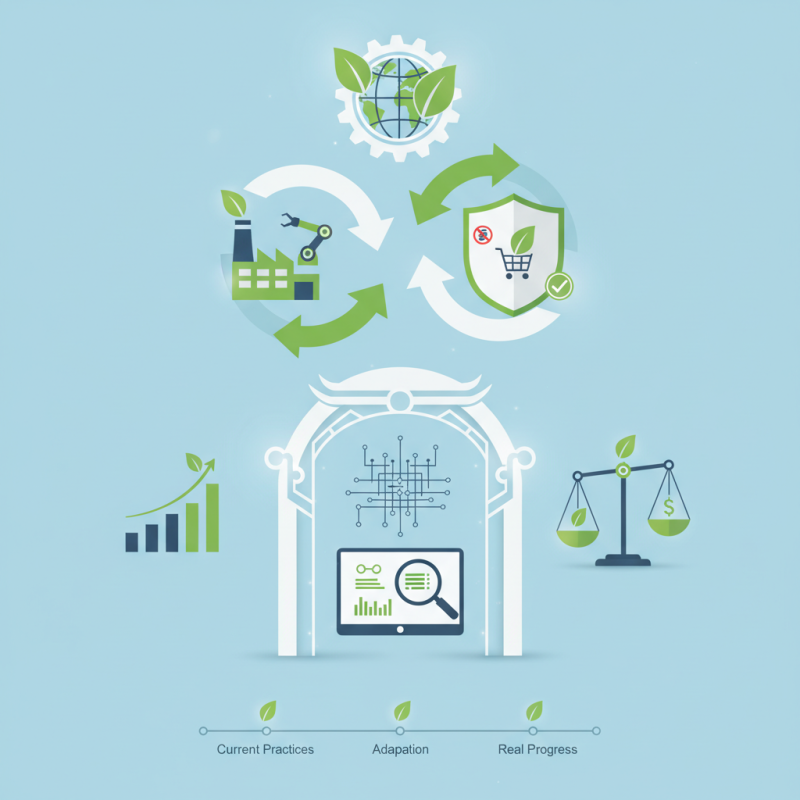
AI technologies at the fair will assist in locating suppliers emphasizing Eco Friendly Pharmaceutical Packaging. The advanced navigation system streamlines the search for companies with eco-certifications. However, challenges remain. Identifying the balance between sustainability and affordability is crucial. As the industry moves forward, reflection on current practices will be essential for real progress.
Emerging Sustainable Materials in Pharmaceutical Packaging
The pharmaceutical packaging industry is undergoing a significant transformation towards sustainability. At the 2026 Canton Fair, emerging trends will highlight innovative materials that reduce environmental impact. Biopolymers and recycled plastics are gaining traction. They promise to lower carbon footprints while maintaining product integrity.
Many companies are exploring seaweed-based materials. These natural alternatives are biodegradable and sustainable. However, they still face challenges in scalability. In addition, plant-based inks are becoming popular for printing. These inks are less harmful than traditional options. However, more research is needed to ensure their longevity and effectiveness.
The push for eco-friendly packaging also raises questions. Are these materials as effective as conventional options? Companies must balance sustainability with performance. The transition to green packaging is not simple. There are still hurdles to overcome in production processes as well. Nevertheless, the commitment to sustainability in pharmaceuticals is undeniable. There's a buzz of excitement, but also a need for cautious optimism.
Innovations in Eco-Friendly Packaging Design for Pharmaceuticals
The 2026 Canton Fair is poised to showcase significant advancements in eco-friendly packaging design for pharmaceuticals. The demand for sustainable solutions continues to rise, driven by environmental concerns. Innovators are creating packaging that minimizes waste and uses renewable materials. For example, biodegradable films and recycled paper are becoming more common.
Some packaging designs focus on multifunctionality. They simplify the user experience while maintaining product integrity. However, there are challenges. Many designs may not meet regulatory standards. Others may not effectively protect the pharmaceuticals from light, moisture, or contaminants. These issues need serious consideration.
In addition to materials, visual appeal plays a role. Vibrant colors and engaging graphics are essential to attract consumers, but they should not compromise sustainability. The industry is at a crossroads, balancing aesthetics with eco-friendly practices. Discussions around these innovations often reveal gaps in implementation and awareness. This reflects an ongoing journey toward truly sustainable pharmaceutical packaging.
Regulatory Trends Driving Eco-Friendly Pharmaceutical Packaging
The rise of eco-friendly packaging in the pharmaceutical industry is shaped significantly by changing regulations. A recent report from Research and Markets noted that the global sustainable packaging market is projected to reach $500 billion by 2026. This shift is driven by stricter anti-plastic policies and increased government incentives for sustainable practices.
Regulatory bodies are pushing for reduced material waste and better recyclability. For instance, the European Union aims for all packaging to be recyclable by 2030. This policy change directly influences pharmaceutical companies, prompting them to innovate in packaging materials. Biodegradable options and recyclable solutions are becoming the norm, yet some companies struggle to meet these standards effectively.
Data from the World Health Organization shows that about 120 billion units of medicines are produced annually. With such high volumes, the challenge lies in balancing sustainability with safety and efficacy. The industry grapples with sourcing materials that are both eco-friendly and reliable. Many companies have started pilot projects, but widespread implementation remains a work in progress, emphasizing the need for ongoing reflection and adaptation.
Consumer Preferences for Green Packaging in the Pharmaceutical Industry
The pharmaceutical industry is witnessing a significant shift towards eco-friendly packaging solutions. As consumer awareness of environmental issues increases, many are favoring green packaging options. This trend is reshaping how companies approach their product presentation. More consumers now look for biodegradable and recyclable materials in their medicine packaging.
To catch the attention of eco-conscious customers, companies can consider minimalist designs. Simple packaging can reduce the overall use of materials. Additionally, focusing on transparency about sourcing can build trust with consumers. Information about how packaging materials are sourced is crucial.
Tips for companies include researching local materials to reduce carbon footprints. Engaging with suppliers who prioritize sustainability can make a big difference. Participating in trade shows can help companies understand current trends. Exploring innovations in materials can also be an intriguing area to focus on. It is essential to experiment and learn from these adjustments. Not all changes yield immediate success, but they provide valuable insights for future strategies.
Case Studies of Successful Sustainable Packaging Implementations
At the 2026 Canton Fair, eco-friendly pharmaceutical packaging is set to dominate. Companies are increasingly choosing biodegradable materials. A notable case involves a firm that transitioned from plastic to plant-based packaging. The shift reduced their carbon footprint by over 40%. This move not only resonated with eco-conscious consumers but also aligned with industry standards.
Another successful example is a company that replaced aluminum tubes with recyclable paperboard. This change led to a 30% decrease in production costs. Such innovative solutions are crucial as the market for sustainable packaging is projected to reach $500 billion by 2026, according to industry reports.
Tips: When considering sustainable options, investigate local suppliers. They often provide eco-friendly materials at competitive prices. Engage with packaging engineers early in the process to ensure that your design meets both sustainability and regulatory requirements. Reflect on your current practices and seek ways to reduce waste. Every small change contributes to a larger impact.