Essential Tips for Effective Blister Card Printing
In the world of retail packaging, blister card printing takes center stage. Experts like John Smith, a leading figure in packaging solutions, emphasize the importance of quality. He once stated, "Effective blister card printing can make or break a product's appeal." Understanding how to navigate the complexities of this printing method is essential for businesses aiming for success.
Blister cards not only showcase products but also protect them. They enhance visibility on the shelf. Crafting a blister card involves various elements, from material selection to design aesthetics. There’s always a balance between creativity and functionality. Mistakes can lead to unsightly results and costly revisions. It’s vital to reflect on what works and what doesn’t in the design process.
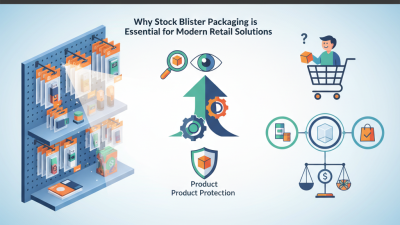
The details can truly impact effectiveness. Choosing the right size and shape is crucial. A well-designed blister card can attract customers, yet poor choices may deter them. Businesses must carefully consider every aspect of blister card printing. After all, the goal is to stand out while ensuring product safety and visibility.
Understanding Blister Card Printing: Key Definitions and Concepts
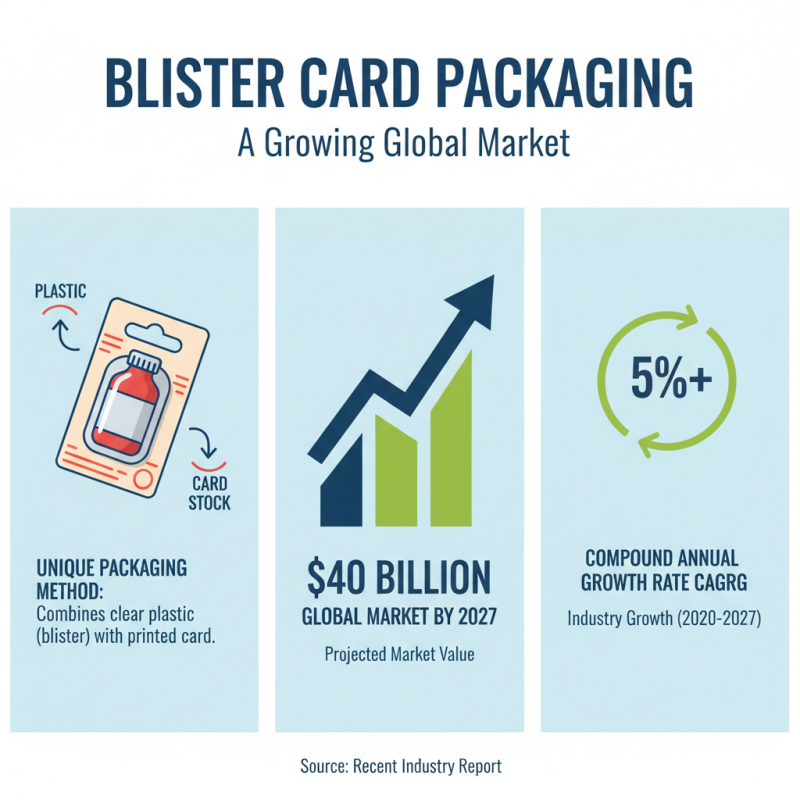
Blister card printing is a unique packaging method. It combines plastic and card stock. This process creates a strong, clear display for products. According to a recent industry report, the global blister packaging market is projected to reach $40 billion by 2027, growing at a compound annual growth rate of over 5%. This highlights the rising demand for effective packaging solutions.
When considering blister card printing, it's important to understand terminology. 'Blister' refers to the bubble-shaped cavities that hold products. This design prevents damage. It's crucial for items like electronics or pharmaceuticals. The card is usually made from cardstock, which provides a stable backdrop. Inadequate design decisions can lead to product misrepresentation or safety issues.
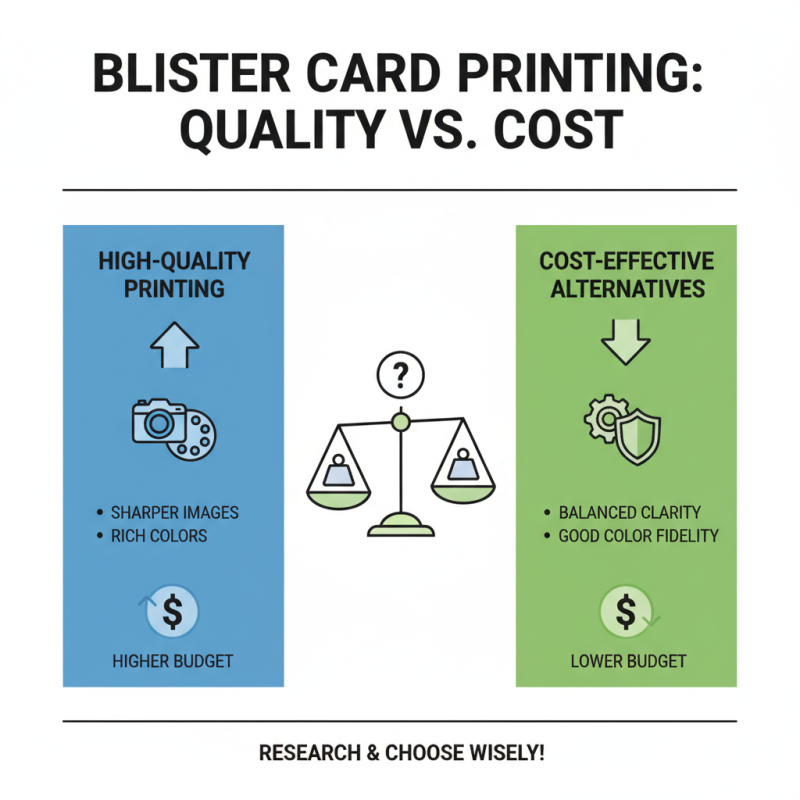
Quality in printing matters significantly. Poor print resolutions can compromise the visual appeal. The material choice also impacts durability and perception. Studies show that consumers make snap decisions based on packaging aesthetics in just 7 seconds. If the card is not visually engaging, it may result in lost sales. Analyzing competitor designs can offer insights but replicating their mistakes won't yield success. Recognizing these factors is essential for creating effective packaging solutions.
Materials Used in Blister Card Production: A Comprehensive Overview
Blister cards have become a popular packaging choice in various industries. Choosing the right materials is crucial for effective blister card production. The most common materials include PVC, PET, and PS. These plastics are lightweight and offer good visibility for products. According to industry reports, PVC holds a significant market share due to its durability and cost-effectiveness. Yet, environmental concerns about PVC's recyclability cannot be ignored.
Another emerging option is PET, which is more eco-friendly and biodegradable. This material has gained traction due to increasing consumer demand for sustainable packaging solutions. Reports suggest that the global PET market is expected to grow by 5% annually. However, manufacturers often struggle with the trade-off between sustainability and production cost. Finding a balance can be challenging, yet it is essential for long-term viability.
On the other hand, polystyrene (PS) is known for clarity and rigidity. It is commonly used for products requiring extra protection. Yet, its recycling rate remains low, raising sustainability questions. Industry data shows that nearly 50% of plastic waste comes from packaging materials like blister cards. As such, companies need to reflect on their material choices and consider alternatives that align better with environmental goals.
Essential Tips for Effective Blister Card Printing
Best Practices for Designing Effective Blister Cards in Marketing
When designing blister cards for marketing, focus on clarity and attraction. A blister card's main purpose is to showcase the product while engaging potential customers. Use eye-catching graphics that draw attention. Bright colors and bold fonts can help products stand out on the shelf. Ensure the design is clean and not overcrowded. Clarity is key. You want customers to understand the product at a glance.
Include essential information, like product details and usage instructions. Too much text can overwhelm the viewer. Instead, highlight key benefits in short bullet points. Images of the product in use can also be effective. They make the product relatable and create a connection with potential buyers. However, balance is crucial; avoid clutter, or the message might get lost.
Reflect on your design choices. Do they resonate with your target audience? Sometimes, a second opinion can offer new insights. Consider testing different designs to find what works best. It can be a trial-and-error process. Remember, effective blister card design takes patience and creativity.
Sustainability in Blister Card Packaging: Trends and Industry Standards
Sustainability has become a priority in blister card packaging. Many industries are recognizing the need for eco-friendly solutions. Traditional materials often contribute to environmental issues. Thus, brands are exploring alternative options.
Recyclable materials are gaining traction. They offer a promising path toward reducing waste. Using biodegradable plastics could significantly lower carbon footprints. However, not all companies are ready to make this change. Some might be hesitant due to potential cost increases or supply chain challenges. It raises the question: is short-term savings worth long-term environmental damage?
Additionally, industry standards are evolving. Certification processes now emphasize sustainable practices. Brands may need to adapt to comply with these standards. This can be daunting, especially for smaller businesses. Balancing sustainability with profitability requires careful planning. The road ahead is not always clear, but innovation is key.