Essential Tips for Effective Thermoform Packaging Solutions?
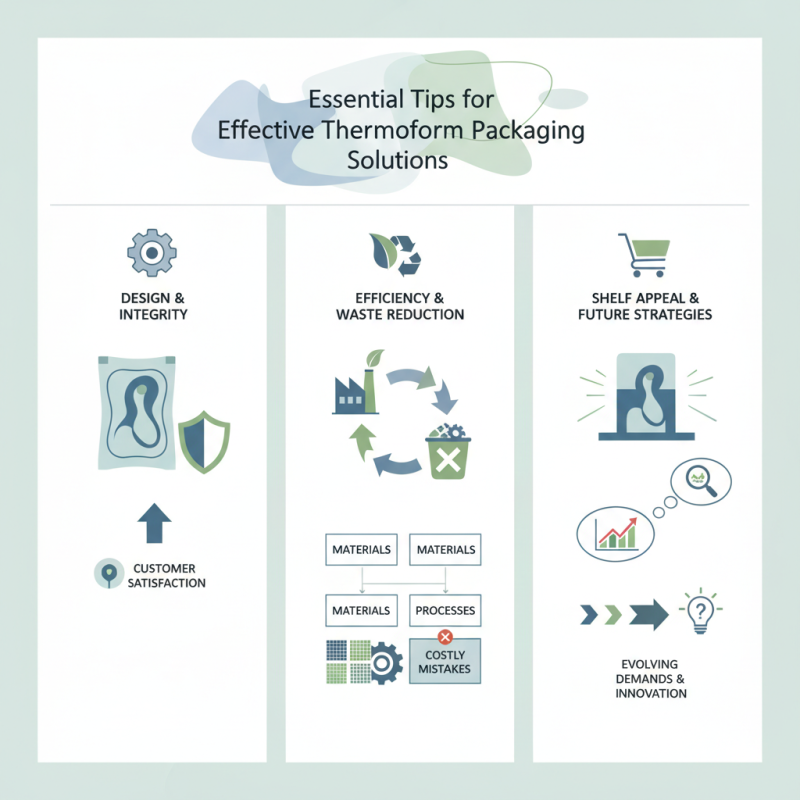
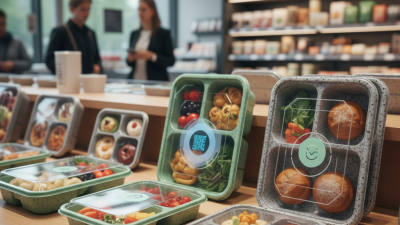
Thermoform packaging is an essential aspect of modern manufacturing. Industry expert John Smith, a leading figure in the thermoform packaging sector, once remarked, "Effective packaging can enhance product integrity and customer satisfaction." His insights highlight that proper design and implementation are key.
In recent years, thermoform packaging has gained significant attention. Companies seek efficient solutions that not only protect products but also minimize waste. Many still struggle with selecting the right materials or processes. Mistakes in these areas can lead to costly outcomes.
Consider how a well-executed thermoform package can save money while maximizing shelf appeal. Yet, the industry still faces challenges, such as the rapid evolution of consumer demands. Reflecting on these issues can foster better strategies in the future.
Understanding Thermoforming: Basics and Benefits of Thermoform Packaging
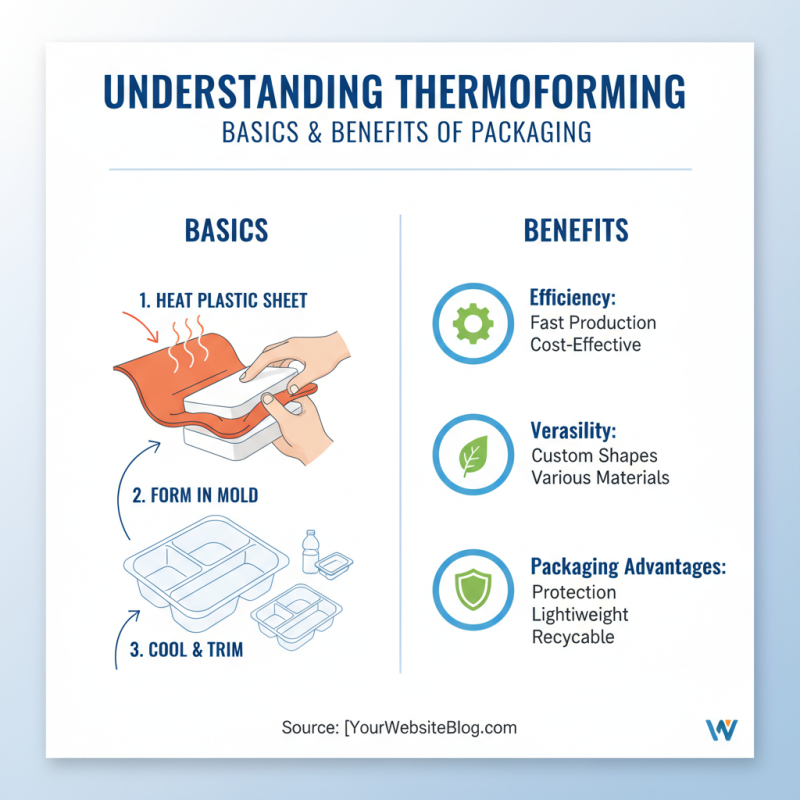
Thermoforming is a versatile manufacturing process. It involves heating plastic sheets until they are pliable. Once soft, the sheets are formed into desired shapes using molds. This method is common in packaging due to its efficiency.
The benefits are significant. According to a report by Smithers Pira, the thermoformed packaging market is expected to reach $50 billion by 2024. This growth reflects its adaptability across industries. Businesses favor thermoforming because it easily customizes packaging to fit products. Moreover, it minimizes waste compared to traditional methods, increasing sustainability.
However, challenges exist. Not every design can be efficiently thermoformed. Some intricate shapes may lead to excess scrap, which could impact costs. Companies must balance design needs with manufacturing capabilities. While thermoforming offers remarkable advantages, reflection on its limitations is essential for optimal results.
Key Materials Used in Thermoform Packaging and Their Properties
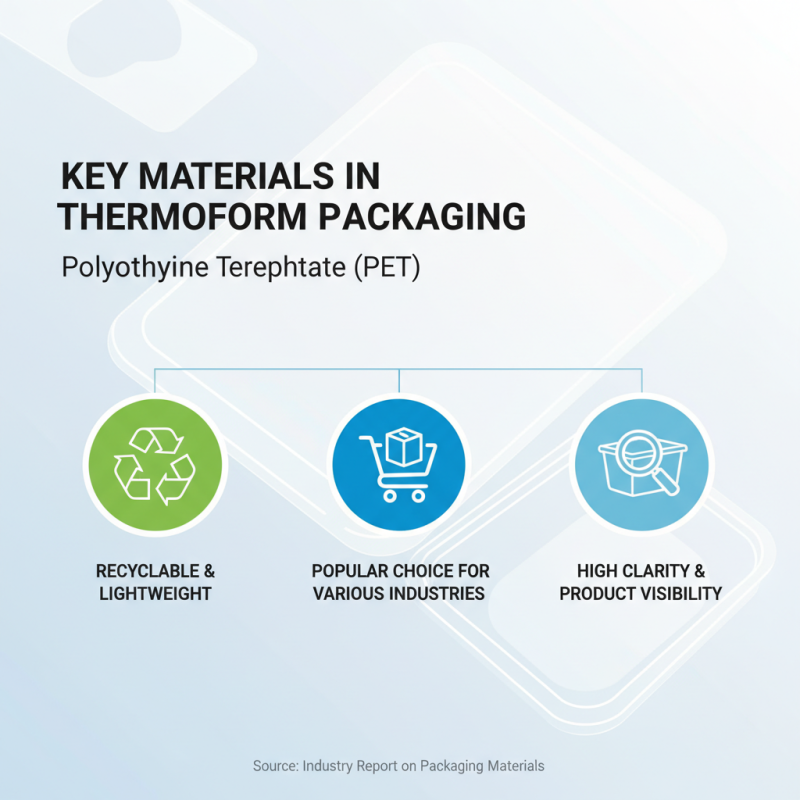
Thermoform packaging is crucial for various industries. The materials used significantly affect performance and functionality. Polyethylene terephthalate (PET) is among the most common materials. It is lightweight and recyclable, making it a popular choice. PET offers high clarity, allowing consumers to see products clearly packaged inside.
Another widely used material is polyvinyl chloride (PVC). PVC is durable and flexible. It is ideal for products requiring barrier protection. However, its environmental impact raises concerns. Many companies are reassessing its use in packaging. Polystyrene (PS) is also popular for its ease of molding and cost-effectiveness. But, it poses disposal issues since it is not biodegradable.
A recent industry report indicated that the demand for sustainable materials is on the rise. Over 50% of companies are exploring alternatives to traditional packaging materials. Businesses face pressure to innovate. The challenge lies in balancing cost, functionality, and sustainability. Each material choice carries pros and cons, making it essential to assess long-term impacts. Thermoform packaging continues to evolve, responding to consumer demands and environmental considerations.
Design Considerations for Optimal Thermoform Packaging Solutions
When designing thermoform packaging solutions, several critical factors come into play. Material selection is crucial. The type of plastic affects durability and recyclability. According to industry reports, recyclable materials can reduce waste by up to 30%. Brands are now pressured to adopt greener solutions to meet consumer demands. This is not just a trend; it’s a necessity that aids in environmental sustainability.
Another consideration is the size and shape of the package. Custom designs often lead to better protection and optimized space usage. Products fit snugly, reducing movement and minimizing breakage. A report from Packaging Strategies indicates that optimized packaging can lower shipping costs by around 15%. However, getting the dimensions right can be tricky, and over-engineering might lead to wasted resources.
**Tip:** Collaborate with designers to visualize your concepts. Testing different prototypes can reveal hidden flaws. Make adjustments based on feedback.
Furthermore, think about user experience. Easy-to-open packages enhance customer satisfaction. Yet, security features must not be compromised. Striking this balance requires careful thought and iteration. Reassessing what works and what doesn't is essential. Don't hesitate to revisit past designs. Sometimes, simplicity is the ultimate sophistication.
Essential Tips for Effective Thermoform Packaging Solutions
| Design Consideration |
Importance |
Material Type |
Environmental Impact |
| Thickness |
Affects durability and cost |
PETG |
Recyclable |
| Design Complexity |
Influences mold cost and production time |
Polycarbonate |
Lower environmental impact than alternatives |
| Vacuum Forming |
Promotes better product visibility |
HIPS |
No significant impact |
| Compatibility with Automation |
Speeds up packaging process |
PVC |
Recyclable with restrictions |
| Labeling Surface |
Enhances branding opportunities |
PLA |
Compostable |
Best Practices for Manufacturing and Quality Control in Thermoforming
Thermoforming is an efficient method for packaging products. Quality control is crucial in this process. Poor manufacturing can lead to defects. These defects affect packaging integrity. They can also lead to customer dissatisfaction.
Here are some tips to improve your thermoforming practices. Regularly inspect raw materials. Check for imperfections. They can cause problems during production. Use calibrated equipment to ensure precision. Inconsistent machinery can create varying results. Training staff on best practices enhances overall quality. Consider a feedback loop for continuous improvement.
Monitoring production closely is vital. Document every step. This can help identify where issues arise. Sometimes, a small change can lead to significant improvements. Don’t overlook any inconsistencies. They may seem minor but can have major consequences. Regular audits can ensure compliance with standards. Reducing waste will save costs in the long run.
Essential Tips for Effective Thermoform Packaging Solutions
This chart illustrates essential tips for effective thermoform packaging solutions, showcasing best practices in various dimensions. Each dimension is scored on a scale of 0 to 100, indicating its importance in the manufacturing and quality control process in thermoforming.
Sustainability Trends and Innovations in Thermoform Packaging Solutions
Sustainability is becoming crucial in thermoform packaging. Consumers demand eco-friendly options. Brands are responding by incorporating recycled materials. This trend is evident in packaging that uses post-consumer plastics. Such materials reduce waste in landfills.
Innovations in sustainable design are also significant. Biodegradable films and compostable options are gaining traction. Aligned with these advancements, companies are exploring new manufacturing techniques. Reduced energy consumption in production is a goal many strive to achieve. However, the challenge lies in balancing cost-effectiveness and sustainability.
Experts stress the need for continuous improvement in this field. Not all innovations are economically viable. Many efforts fall short of expectations. As the industry evolves, companies must adapt to remain competitive. Evaluation of practices is essential. The journey towards sustainable thermoforming is ongoing, requiring dedication and creativity.