
A Ffs Woven Sack is a strong, flexible container made from woven polypropylene fabric. It is designed for efficient filling, sealing, stacking, and transport. Unlike ordinary open-mouth bags, this format works with form-fill-seal equipment. The machine forms the bag, fills it, and seals it in a continuous operation.
Packaging educator Walter Soroka has expressed a useful principle: “Packaging must protect, contain, and communicate.” That idea fits Ffs Woven Sack applications closely. These sacks commonly hold rice, flour, animal feed, seeds, fertilizer, minerals, and other dry bulk products. Their woven structure resists tearing during warehouse handling. A laminated outer layer can improve moisture protection and printing quality. An inner liner may provide an additional barrier for sensitive contents.
The details matter. A 25-kilogram sack needs balanced fabric strength, accurate dimensions, and dependable seals. Poor tension can create crooked stacking. Weak seams can cause product loss. Dusty filling areas may also affect seal performance. This is where practical testing becomes essential. Manufacturers should check tensile strength, seam strength, drop resistance, and filling compatibility. Standards and customer requirements must guide the final specification.
Still, no sack solves every packaging problem. Woven polypropylene is durable, but recycling systems differ by region. Moisture protection also depends on design, storage, and handling. A well-made Ffs Woven Sack performs best when the material, machinery, and supply chain are considered together. This article examines its construction, uses, advantages, limitations, and selection criteria.
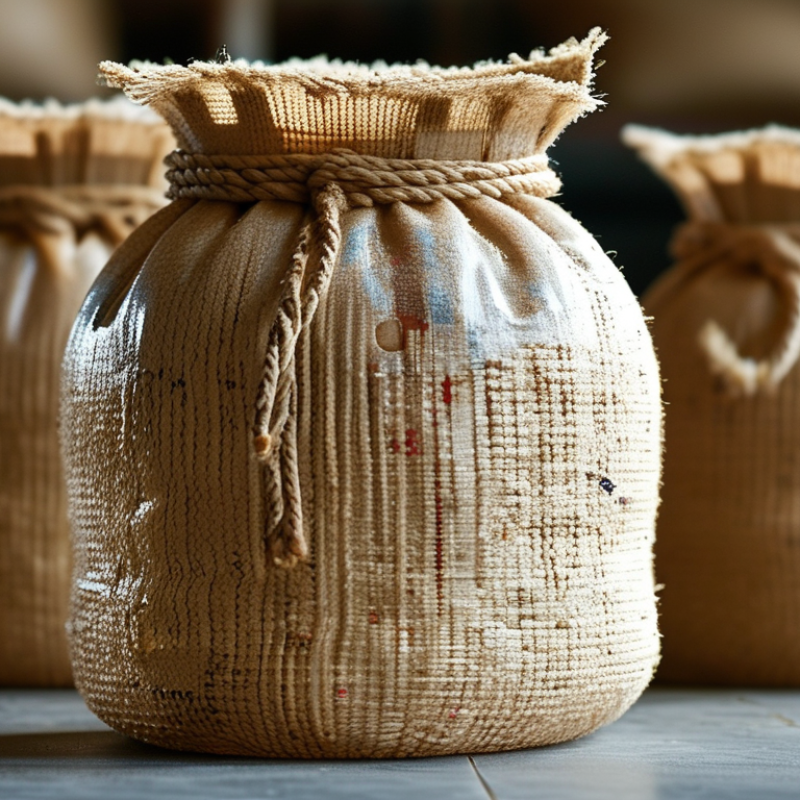
FFS woven sack means Form-Fill-Seal woven bag. It is made from woven polypropylene fabric, which provides strength without excessive weight. Unlike traditional bags, it arrives as a continuous tubular roll. Packaging equipment forms, fills, and seals each bag automatically. This process reduces manual handling and supports consistent production.
The basic structure includes woven fabric, an inner coating, and sealed ends. The fabric contains flat plastic tapes arranged in crossing directions. This grid resists tearing and stretching during filling, stacking, and transport. A laminated inner layer can improve moisture resistance and reduce powder leakage. Some sacks also include printed surfaces, gussets, or valve-style openings. These features depend on the material and filling method. In real operations, a stronger sack is not always better. Extra material may increase cost and reduce packaging efficiency.
Tips: Match the sack to the product first. Granules, powders, and agricultural materials behave differently during filling. Check the required weight, drop height, stacking pressure, and storage humidity. A sack that performs well in a dry warehouse may weaken in damp conditions. Inspect the fabric, seams, and seals before large-scale production. Small testing gaps are easy to overlook. I have found that practical trials often reveal problems that specifications miss. FFS woven sacks are commonly used for fertilizers, grains, animal feed, minerals, and construction powders. Their value comes from combining mechanical strength with fast, repeatable packaging.
FFS woven sacks are polypropylene bags designed for form-fill-seal packaging lines. They commonly carry fertilizer, animal feed, grains, minerals, and construction powders. Mordor Intelligence’s 2024 market assessment estimates the global polypropylene woven bag market will grow at over 5% annually through 2029. That demand reflects faster packing and lower manual handling costs.
Manufacturing begins with polypropylene resin, which is melted and extruded into thin tapes. The tapes are stretched to improve tensile strength, then wound onto bobbins. A circular loom weaves them into a continuous fabric tube. The loom’s tension matters. Uneven tension can create weak lines. The fabric may receive a polyethylene coating for moisture resistance and cleaner powder retention. It is then printed, flattened, and cut into programmed lengths.
The final converter forms the sack’s bottom and adds gussets when required. FFS designs usually include a flat, heat-sealable valve area for automated filling and closing. Cutting accuracy is critical. A small dimensional error can interrupt a packing line. Quality teams check tape strength, fabric weight, seam integrity, and drop resistance, following requirements related to ISO 21898. Smithers’ flexible packaging research identifies lightweighting and downgauging as continuing industry priorities. Yet thinner fabric is not automatically better. It can reduce material use, but excessive reduction may increase punctures, dust leakage, and rejected loads. Real production still needs adjustment. Temperature, humidity, and recycled-content ratios can change the finished sack’s behavior.
What Is FFS Woven Sack and What Is It Used For?
Key Materials and Performance Characteristics
An FFS woven sack is made for Form-Fill-Seal packaging lines. Its main material is woven polypropylene, formed from narrow plastic tapes. These tapes create a strong, flexible fabric with visible crossing patterns. Polypropylene offers low weight, good tensile strength, and resistance to moisture. It also tolerates rough handling during filling, stacking, and transport.
Some sacks include a polyethylene liner. The liner helps protect fine powders from humidity and leakage. A laminated outer layer can improve print quality and surface protection. For heavier products, thicker tapes and tighter weaving usually provide better load performance. UV stabilizers may be added when sacks remain outdoors for extended periods. Material selection should match the product, filling speed, storage time, and handling conditions.
Performance depends on more than raw material. Seam strength, bag dimensions, film thickness, and heat-sealing quality all matter. During filling trials, a properly adjusted sack should open smoothly and seal without tearing. A practical inspection checks dropped corners, stretched seams, and powder loss around the seal. No sack is perfect. Some specifications look impressive on paper but fail under vibration or damp storage. Testing should therefore include tensile strength, drop resistance, seal integrity, and moisture exposure. A slightly stronger sack may reduce product loss, although excessive material can increase cost and waste.
FFS woven sacks are primarily manufactured from polypropylene (PP) tapes, which provide high tensile strength and low moisture absorption. A polyethylene (PE) liner can be added to improve moisture and oxygen protection, while PP coatings enhance sealing performance and resistance to dust or fine powders. The values shown are representative engineering ranges for common sack components; actual performance depends on resin grade, tape design, fabric construction, coating, and testing conditions.
FFS woven sacks are industrial bags made from woven polypropylene fabric. “FFS” means form, fill, and seal. The bag is formed from a continuous tube, filled by an automated line, then sealed without traditional stitching. This design supports fast packing and consistent dimensions. It is especially useful when factories handle thousands of bags daily.
Agriculture uses FFS sacks for rice, wheat, flour, animal feed, and seed. The woven structure resists tearing during pallet movement and warehouse stacking. A laminated layer can reduce moisture entry, although it cannot replace dry storage. The FAO reported that 13.2% of global food production was lost between harvest and retail in 2021. Better packaging may reduce handling losses, but transport and storage conditions still matter.
Construction is another major application. Cement, mortar, sand, and mineral powders require strong bags that control dust during filling. The USGS estimated global cement production at about 4.1 billion metric tons in 2023. That scale explains the demand for efficient bulk packaging. Chemical powders and industrial additives also use these sacks, with tailored liners for sensitive materials. Small details matter. An incorrect seal can cause leakage, while excessive tension may split the fabric. FFS sacks are efficient, but not flawless. Manufacturers should test drop resistance, seal strength, moisture exposure, and filling performance before selecting a specification.
| Industry | Typical Products Packed | Common Sack Capacity | Important Performance Requirements | Common FFS Sack Features | Main Benefits |
|---|---|---|---|---|---|
| Agriculture | Rice, wheat, corn, flour, seeds, animal feed and fertilizer | 25–50 kg | High tensile strength, resistance to abrasion, stable stacking and protection from handling damage | Coated or uncoated woven polypropylene fabric, gussets, printed panels and strong sealed ends | Efficient filling, reliable transport performance and good pallet stability |
| Food Processing | Sugar, salt, starch, animal feed ingredients and other dry food materials | 10–50 kg | Clean packaging surfaces, controlled contamination risk, moisture management and consistent dimensions | Food-contact-compatible inner liners, laminated surfaces, dust reduction and heat-sealed closures | Supports hygienic handling and high-speed automated packing lines |
| Chemicals | Resins, powders, additives, pigments and selected industrial chemicals | 20–50 kg | Resistance to tearing, powder containment, secure closure and compatibility with the packed material | Laminated woven fabric, liner options, anti-slip surfaces and high-integrity heat seals | Reduces product leakage and improves storage and loading efficiency |
| Construction Materials | Cement, mortar, tile adhesive, gypsum powder and dry building compounds | 20–50 kg | Resistance to puncture, burst pressure, dust escape and rough site handling | Multi-layer construction, coated fabric, dust-tight seals and optional block-bottom format | Clean filling, compact storage and improved resistance to moisture and abrasion |
| Pet Food | Dry dog food, cat food and other formulated animal diets | 5–25 kg | Odor and moisture protection, product cleanliness, seal integrity and attractive print quality | Laminated outer layers, inner liners, high-resolution printing and easy-opening options | Protects product quality while supporting strong shelf presentation |
| Minerals and Powders | Calcium carbonate, industrial minerals, clay, carbon black and powdered fillers | 20–50 kg | Fine-powder containment, load-bearing strength, low dust generation and dimensional consistency | Fine-weave fabric, liners, laminated layers and tightly sealed FFS closures | Helps minimize spillage and supports automated weighing and filling |
| Recycling and Waste Materials | Plastic regrind, recovered materials, pellets and selected dry waste streams | 25–50 kg | Durability during repeated handling, secure closure, tear resistance and material identification | Heavy-duty woven fabric, reinforced seals, clear labeling areas and optional liners | Suitable for bulk handling, warehouse storage and efficient transportation |
| Industrial Manufacturing | Plastic pellets, masterbatch, rubber compounds and dry production materials | 20–50 kg | Accurate filling, reliable sealing, clean product handling and resistance to warehouse stacking loads | Flat or gusseted construction, laminated surfaces, liners and automated FFS-compatible dimensions | Improves packaging-line productivity and standardizes unit loads |
FFS woven sacks are produced from polypropylene tapes, filled, and sealed on one automated line. They commonly carry fertilizer, grains, animal feed, minerals, and construction powders. Selection should begin with product behavior, not appearance. Check bulk density, filling temperature, drop height, and required load. A fine powder may need an inner liner or coated fabric. Sharp granules may require higher fabric strength and stronger seams. For outdoor distribution, request UV stabilization. Antistatic options may also support safer handling in dusty environments. However, “heavy-duty” is not a complete specification.
The OECD Global Plastics Outlook reports 353 million tonnes of plastic waste in 2019, with packaging representing about 40 percent. UNEP’s 2023 Turning off the Tap report estimates roughly 430 million tonnes of plastic are produced annually. These figures support careful material selection and recovery planning. Ask for recycled-content documentation, food-contact evidence where relevant, and test records for tensile strength, seam performance, and safe working load. ISO 21898 can provide useful reference points for flexible bulk-container testing, but the exact sack design still needs application testing.
Storage conditions matter. Keep sacks on clean pallets, away from sunlight, moisture, oil, and sharp edges. Cover them, but allow ventilation. Do not drag bags across concrete. Use smooth forks and avoid sudden lifting. Apply first-in, first-out control because prolonged UV exposure weakens polypropylene. Real warehouses are less tidy. That assumption deserves testing through drop trials, stacking checks, and inspections after transport.