2026 How to Choose the Best Thermoform Packaging Solutions?
When considering thermoform packaging, expertise can significantly shape decisions. Renowned industry expert, Dr. Lisa Green, states, “The right thermoform packaging can elevate product appeal tremendously.” With this in mind, selecting the best options requires careful thought.
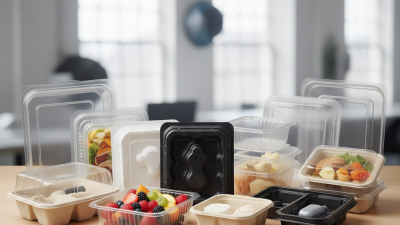
Thermoform packaging is not just about materials. It involves understanding product protection, branding, and sustainability. A well-designed thermoform package offers visual appeal. However, achieving this balance can be challenging. The choice of materials, thickness, and design must align with your product's specifics.
Navigating the variety of thermoform options can feel overwhelming. Each product may demand different considerations. An effective packaging solution should enhance usability while considering cost-effectiveness. Reflect on potential areas of improvement. Perhaps, are your current solutions meeting consumer expectations? Evaluating your choices can lead to significant benefits in efficiency and brand loyalty.
Understanding Thermoform Packaging and Its Applications
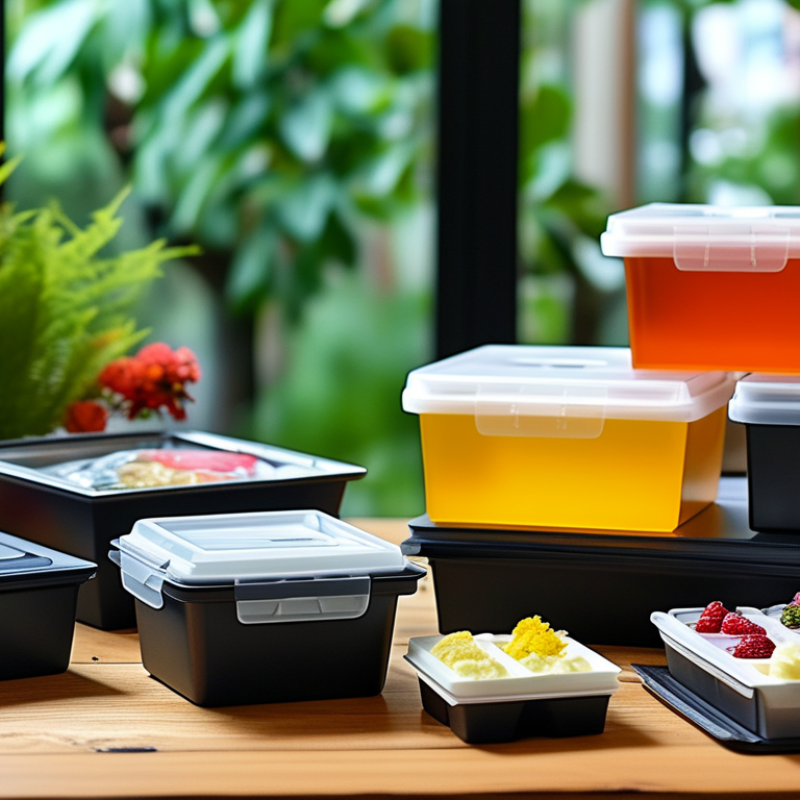
Thermoform packaging has gained popularity across various industries.
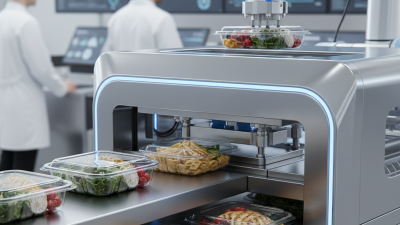
It involves heating sheets of plastic until pliable and then forming them into specific shapes using molds. This method offers efficient production and custom shapes for different products.
According to industry reports, the global thermoforming packaging market is expected to reach $45 billion by 2026. This growth is driven by rising consumer demand for convenient and sustainable packaging solutions. Many businesses are adopting thermoform packaging to reduce waste. It uses less material compared to traditional packaging methods, which is a significant advantage.
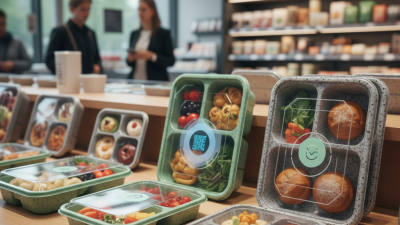
Applications of thermoform packaging are widespread. It is used for food, electronics, and pharmaceuticals. For example, clamshell packaging is common in retail. It provides visibility while keeping products secure. However, challenges exist in maintaining material quality and finding cost-effective manufacturing processes. Companies must weigh these factors against potential environmental benefits. Exploring innovative materials may address some of these concerns.
Key Factors to Consider When Choosing Thermoform Packaging
When selecting thermoform packaging solutions, several key factors come into play. Material choice is crucial. Popular options include PET, PVC, and PS, each offering distinct advantages. According to a recent study by Smithers Pira, the global thermoforming market is expected to reach $9.85 billion by 2026. This growth emphasizes the importance of selecting the right material based on the product's requirements and environmental considerations.
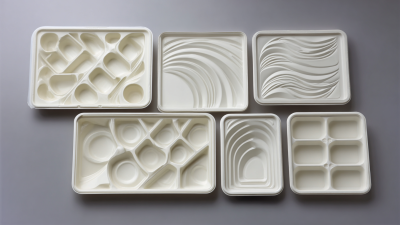
Design flexibility is another critical aspect. Thermoform packaging can be tailored to fit various shapes and sizes. This customization enhances product visibility and protection. However, achieving the ideal design can be challenging. Many manufacturers struggle with balancing cost and functionality. They often need to re-evaluate their design process based on feedback from customers.
Sustainability is increasingly vital. Eco-friendly materials and recycling options are in higher demand. A 2023 report by MarketsandMarkets found that 62% of consumers prefer brands that invest in sustainable packaging. Producers must consider this trend when choosing their thermoform solutions, as insufficient focus on sustainability can lead to backlash.
Considering these factors can lead to improved packaging solutions. Look for suppliers who prioritize innovation and sustainability. Stay updated on industry trends and be mindful of the ever-changing consumer expectations. The right choices now can significantly impact future market success.
Evaluating Material Options for Thermoform Packaging Solutions
When selecting materials for thermoform packaging solutions, understanding the properties of different materials is crucial. Common choices include PET, PVC, or PS, each offering unique benefits and limitations. For example, while PET is recyclable and strong, it may not be as cost-effective for all applications. PVC might provide better clarity but can pose environmental concerns.
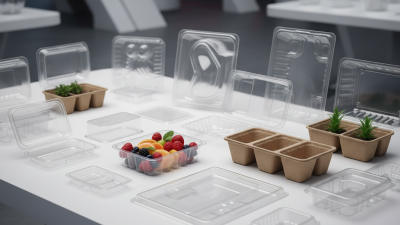
Keep sustainability in mind. Choosing biodegradable or recyclable materials can enhance your brand's reputation. There is a growing market demand for eco-friendly packaging, so aligning your material choice with these values can benefit your business.
Evaluate the specific needs of your products. Factors like temperature resistance, strength, and barrier properties play a significant role in material selection. Avoid assuming that one size fits all; testing different materials can lead to better performance. Sometimes, a less popular choice may perform adequately for your specific needs. Be open to exploring new options, as innovations in materials science continue to emerge.
Assessing Cost-Effectiveness and Production Efficiency
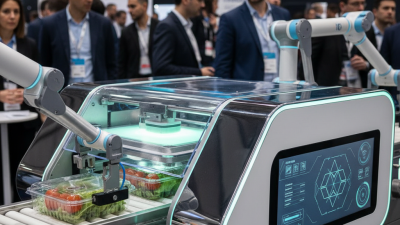
When selecting thermoform packaging solutions, cost-effectiveness and production efficiency are critical factors. Recent reports indicate that companies can reduce packaging costs by up to 30% through optimized thermoforming processes. Streamlining production reduces material waste and enhances overall efficiency. The implementation of automation in these processes can improve production rates by 25%, according to industry analyses.
Material selection plays a significant role in cost-effectiveness. High-quality materials may have a higher upfront cost but can provide long-term savings through reduced spoilage and enhanced product shelf life. For example, using specific sustainable materials can attract eco-conscious consumers. Studies show that 70% of shoppers prefer eco-friendly packaging options, indicating a shift toward more sustainable solutions.
Despite these advantages, companies must also consider the trade-offs. Investing in sophisticated machinery may lead to initial financial strain. Continuous evaluation of production methods is necessary to avoid bottlenecks. Monitoring production efficiency is essential to adapt to shifting market demands. Ultimately, a thoughtful balance between cost and performance will allow businesses to thrive while meeting consumer expectations.
Sustainability Considerations in Thermoform Packaging Choices
Sustainability has become crucial in various industries, especially in packaging. Thermoform packaging presents unique challenges and opportunities when considering environmental impact. Choosing sustainable materials is a priority. Biodegradable or recyclable plastics are gaining traction. However, not all biodegradable options break down effectively in landfills. Many consumers are unaware of this.
Life cycle assessments (LCAs) offer valuable insights. They help identify the environmental impacts of thermoform packaging. Materials like PETG or PLA can reduce the carbon footprint. However, transportation emissions still pose a concern. Sourcing locally can help mitigate some of these effects.
Another important aspect is the design process. Packaging should minimize waste during production. Complex shapes may lead to more trim loss, negating sustainability goals. Manufacturers must consider how design can enhance function without compromising environmental values. Balancing functionality with sustainability remains a significant challenge in the industry.