How to Use Machine Vision Inspection for Quality Control?
In the rapidly evolving landscape of manufacturing, "Machine Vision Inspection" has emerged as a critical tool for quality control. Renowned expert Dr. Jane Morris has noted, “Machine Vision Inspection revolutionizes how we perceive quality.” Her words encapsulate the industry's shift towards automation and precision.
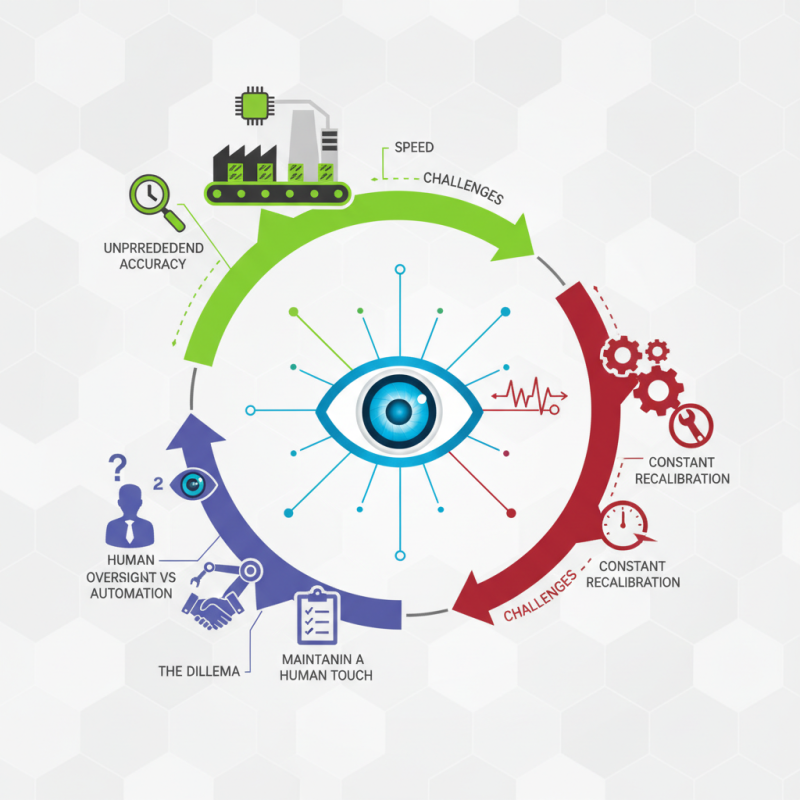
Quality control is no longer just about human oversight. With Machine Vision Inspection, businesses employ advanced imaging systems to identify defects. These systems can detect minute discrepancies invisible to the naked eye. However, not all processes are flawless. Some implementations face challenges, such as integration issues and the need for constant recalibration.
Implementing Machine Vision Inspection can be a double-edged sword. On one hand, it offers unprecedented accuracy and speed. On the other, it raises questions about reliance on technology. Are human inspectors becoming obsolete? This is a dilemma that companies must grapple with as they strive for efficiency while maintaining a human touch in quality assurance.
Understanding Machine Vision Inspection Systems for Quality Control
Machine vision inspection systems play a critical role in quality control across various industries. These systems use cameras and software to analyze products in real time. They can detect defects, measure dimensions, and ensure compliance with specifications. Each component works together to provide important feedback. However, their effectiveness depends heavily on proper calibration. If the settings are off, the results can be inaccurate.
Training personnel to operate these systems is equally essential. Even the best technology requires human oversight. Operators must understand the nuances of their particular setting. They need to be aware that machine vision does not eliminate all quality issues. Sometimes, it may fail to recognize certain defects or produce false positives. Understanding these limitations is important for achieving reliable results.
Regular maintenance of the equipment can prevent many issues. Dust on the camera lens can lead to poor image quality. Software updates may also affect system performance. Businesses should plan to routinely review their systems. Reflecting on past errors will help improve future inspections. Emphasizing continuous improvement can lead to a more reliable quality control process.
Key Components of Machine Vision Technology in Production Environments
Machine vision technology plays a pivotal role in quality control within production environments. It encompasses several key components that work together to ensure product integrity. Cameras capture images of the items on the assembly line. These images are processed using algorithms that detect defects or deviations from the desired specifications. This quick analysis helps manufacturers maintain quality without slowing down their operations.
Tips for implementing machine vision include selecting the right lighting. Different products require different lighting conditions for optimal inspection. Proper illumination can reveal defects that would otherwise go unnoticed. Additionally, ensure that the camera resolution is sufficient for your specific needs. Higher resolution can enhance the detection capabilities but may require more processing power.
Another crucial aspect is selecting the right software. It’s essential to choose a system that fits your workflow. Some software solutions are complex and may not be necessary. Moreover, regular calibration of cameras should not be overlooked. A slight misalignment can lead to faulty inspections. Remember, mistakes are part of the process, and continuous improvement is key. Being aware of these factors can help refine your machine vision inspection system and enhance overall quality control.
Machine Vision Inspection for Quality Control
This chart illustrates the effectiveness of different machine vision inspection technologies in improving product quality over time. The data represents the percentage improvement in defect detection rates across various inspection methods.
Steps to Implementing Machine Vision Inspection in Quality Control Processes
Implementing machine vision inspection in quality control processes involves several key steps. First, identify the specific items or attributes that require inspection. This could be surface defects, dimensions, or color accuracy. Too often, teams overlook crucial quality factors. It’s essential to engage diverse viewpoints during this stage to avoid blind spots.
Next, select appropriate camera systems and lighting. The correct setup can significantly impact image clarity. Poor lighting can lead to misinterpretation of results. Test different configurations before settling on one. Ensure that the system can handle the speed of your production line. A mismatch can lead to bottlenecks.
Training staff to operate and maintain the systems is vital. Team members should understand how to interpret results and troubleshoot issues. Miscommunication can create errors in quality checks. Regular reviews of the inspection process are necessary. Collect data to identify areas for improvement. There will always be unexpected challenges. Embrace them as opportunities for growth.
How to Use Machine Vision Inspection for Quality Control? - Steps to Implementing Machine Vision Inspection in Quality Control Processes
| Step | Description | Tools Required | Expected Outcome |
| 1 | Define Quality Standards | Quality Metrics Document | Established benchmarks for inspection |
| 2 | Select Vision System | Machine Vision Software and Hardware | Appropriate imaging system selected |
| 3 | Develop Inspection Criteria | Inspection Protocol Document | Clear guidelines for inspection tasks |
| 4 | Implement System | Installation Equipment | System is operational and calibrated |
| 5 | Train Operators | Training Materials & Sessions | Operators are proficient in using the system |
| 6 | Monitor Performance | Monitoring Software | Continuous quality data and feedback |
| 7 | Review and Optimize | Data Analysis Tools | Improved inspection accuracy and efficiency |
Evaluating the Effectiveness of Machine Vision for Quality Assurance
Machine vision inspection plays a crucial role in ensuring product quality. This technology utilizes cameras and image processing software to detect defects in real-time. By analyzing images, it identifies inconsistencies that human inspectors might miss. This leads to earlier detection of defects, minimizing waste and ensuring higher standards.
However, machine vision systems are not infallible. They can struggle with variations in lighting or complex patterns. Sometimes, the inspections yield false positives, flagging products that are actually acceptable. This requires ongoing evaluation of the system's algorithms to refine detection accuracy.
Moreover, integrating machine vision into existing processes can be challenging. Employees may resist adopting new technology. Training is essential to ensure all staff can effectively work alongside these systems. Continuous feedback loops are necessary to improve efficiency. Regularly revisiting the effectiveness of the inspection process is vital to adapt to new challenges.
Future Trends in Machine Vision Inspection for Enhanced Quality Control
Machine vision inspection is evolving rapidly. As technology advances, we see a shift toward enhanced quality control. AI integration is a key trend. It allows systems to learn from data over time. This capability improves defect detection significantly. Real-time analysis also becomes more feasible. Companies can make quick decisions based on instant feedback.
Another important trend is the use of 3D vision systems. They provide depth perception that 2D inspection lacks. This is crucial in identifying complex defects. However, the cost and complexity of implementation can be a barrier. Smaller manufacturers may struggle to adopt these systems. There is a need for more accessible solutions.
Moreover, the deployment of edge computing is gaining traction. It facilitates on-site data processing, reducing latency. But, it raises concerns about security and data management. Companies need strategies to address these issues effectively. Continuous improvement in these areas will shape the future of machine vision. There is much to reflect upon as we embrace these innovations. Quality control should remain a priority amid rapid technological changes.