What is Stock Blister Packaging and How is it Used?
Stock blister packaging is a crucial component in many industries, particularly in pharmaceuticals and consumer goods. According to a recent market analysis by Smith & Market Research, the stock blister packaging market is expected to grow by over 7% annually, driven by increased demand for ready-to-use packaging solutions. This packaging type offers several benefits, including product protection, visibility, and ease of use.
John Doe, an expert in packaging technology, states, "Stock blister packaging provides an efficient way to showcase products while ensuring their safety." This reflects the dual role that such packaging plays in not only safeguarding items but also enhancing their market appeal. However, the industry faces challenges regarding sustainability and waste management, with many companies reassessing their materials and processes.
The importance of stock blister packaging lies in its versatility across various sectors. It's essential for products that require tamper evidence or specific shelf life. Yet, not all designs are optimal; some may struggle to balance functionality and aesthetics. As markets evolve, so too must the approaches to stock blister packaging.
What is Stock Blister Packaging: A Comprehensive Overview
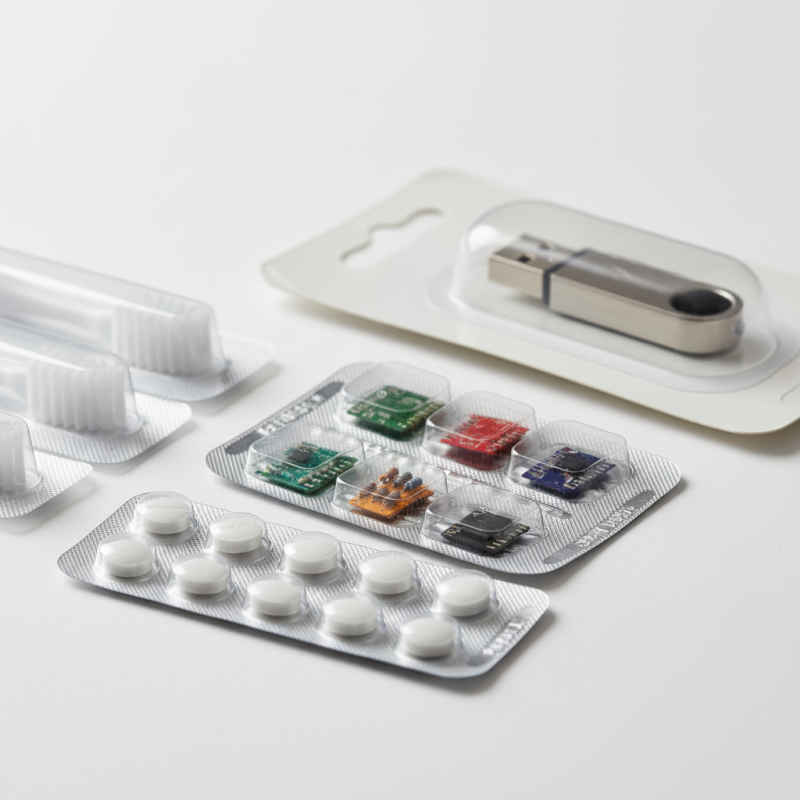
Stock blister packaging is widely used in various industries, particularly in pharmaceuticals and consumer goods. This packaging type consists of a pre-formed plastic shell, often fitted with a backing that secures the product. According to industry reports, the global blister packaging market is projected to reach $30 billion by 2025, driven by the need for product protection and visibility. Stock blister packaging effectively showcases the product while providing a barrier against contamination.
Tips: Always consider product dimensions when selecting blister packaging. Improper sizing can lead to excess waste or inadequate protection.
This type of packaging offers several advantages. It is cost-effective for small and medium-sized businesses that cannot afford custom designs. However, stock blister packaging often falls short in customization. This could limit branding opportunities or create mismatched visuals. The balance between convenience and aesthetics is delicate. Organizations must evaluate their needs carefully.
Tips: Analyze the balance between cost and presentation. Sometimes, investing in custom designs pays off in the long run.
Moreover, stock blister packaging allows for high-speed production. Yet, companies must ensure quality control. Inconsistent sealing can lead to product spoilage, affecting customer satisfaction. Attention to detail is essential to maintain reliability and brand reputation. It's a constant learning process to refine production practices and meet evolving consumer expectations.
Key Materials Used in Stock Blister Packaging Solutions
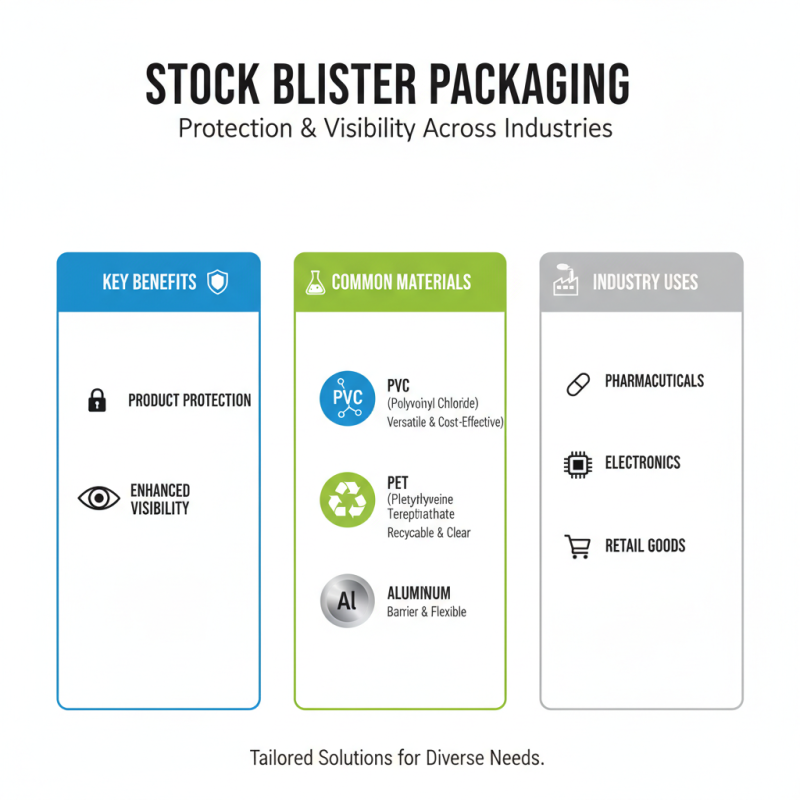
Stock blister packaging is a popular choice across many industries. It provides effective product protection and visibility. The key materials used in this packaging type play a vital role in its functionality. Common materials include PVC, PET, and aluminum. Each material has its advantages, tailored to specific needs.
PVC is widely used due to its durability and formability. It’s often seen in pharmaceutical packaging. PET offers high impact resistance and clarity. This makes it ideal for consumer goods. Aluminum, on the other hand, provides excellent barrier properties against moisture and light. These materials contribute significantly to the stability of the packed items.
Tips: Always consider environmental impacts when selecting materials. Research biodegradable options to minimize waste. Additionally, evaluate the specific requirements of your product. This will help in choosing the right packaging material.
Despite these advantages, some challenges exist. Not all materials are recyclable, leading to waste issues. Additionally, costs can vary greatly based on material choice. It's essential to balance quality and expense carefully. Making informed decisions ensures both sustainability and functionality in blister packaging.
Advantages of Stock Blister Packaging in Various Industries
Stock blister packaging serves multiple industries effectively. It provides a user-friendly way to display products. This type of packaging is commonly found in the pharmaceutical and consumer goods sectors. Its transparent design allows customers to easily see the product inside. This visual appeal can boost sales and encourage consumers to make a purchase.
The advantages extend beyond aesthetics. Stock blister packaging is highly protective, safeguarding products against damage. It offers a barrier against moisture and contamination. This is crucial for sensitive items like medications. The lightweight nature of blister packaging reduces shipping costs. However, it's important to remember that not every product is suited for this type of packaging.
Environmentally, there are concerns. While blister packaging is convenient, it contributes to waste. Many consumers prefer eco-friendly options. Balancing protection with sustainability is a challenge. Manufacturers must reflect on how to innovate. They could explore biodegradable materials or recycling initiatives. Doing so could improve the overall perception of stock blister packaging in the market.
Market Trends and Statistical Insights on Blister Packaging Usage
Blister packaging has gained significant traction in the pharmaceutical and consumer goods industries. Recent reports indicate a robust growth rate for this market, projected to exceed $25 billion by 2025. As e-commerce expands, the demand for efficient and protective packaging solutions is on the rise. Blister packs are favored for their ability to safeguard products while offering a clear view for consumers.
The versatility of blister packaging supports various industries, from medication to electronics. In fact, around 30% of pharmaceuticals employ blister packaging methods. This not only enhances product visibility but also extends shelf life. A 2022 study highlighted that over 70% of consumers prefer products in blister packs due to convenience and safety. Companies are increasingly investing in automated blister packaging lines, driving operational efficiency and reducing labor costs.
Tips: When selecting blister packaging, consider the target audience. For sensitive medications, prioritize moisture-resistant materials. Always assess the cost versus benefits of packaging methods. It is crucial not to overlook potential environmental impacts. Sustainability in packaging is becoming a deciding factor for consumers today.
Trends in Blister Packaging Usage by Industry (2023)
Common Applications of Stock Blister Packaging in Consumer Products
Stock blister packaging is widely used across various consumer product sectors. This packaging type provides a secure and visible way to display products. It is commonly seen in pharmaceuticals, electronics, and personal care items. Blister packs use a combination of plastic and cardboard, making them lightweight yet effective.
In the pharmaceutical industry, blister packs are highly valued. They enhance product safety by preventing tampering. Yet, it's important to consider user accessibility. Some individuals may find it challenging to open these packages. Design improvements could create a more user-friendly experience.
Electronics also benefit from blister packaging. It offers protection against damage during shipping. However, excess packaging can contribute to waste. Balancing protection with sustainability should be a key focus.
**Tips:** Always consider the target audience when designing packaging. User feedback can identify potential issues. Keep testing and refining designs for better usability.