Top 5 Tips for Sourcing Tamper Evident Labels Globally?
In the growing Tamper Evident Label Market, the need for reliable labeling solutions is more critical than ever. Expert John Smith, a leading authority in packaging technology, once stated, "The right tamper evident label not only protects products but also boosts consumer trust." This highlights the importance of sourcing tamper evident labels effectively on a global scale.
Companies face challenges in ensuring their products are secure and recognizable. Global sourcing can be complex. From identifying trustworthy suppliers to navigating international shipping, businesses must consider various factors. Key considerations include material quality, production timelines, and certification standards.
As competition rises, the need for innovation in the Tamper Evident Label Market will grow. Businesses can benefit from understanding market trends and technological advancements. However, navigating this landscape is not without its difficulties. There may be gaps in supplier reliability or communication barriers. These points require reflection and careful planning to achieve success in this vital market segment.
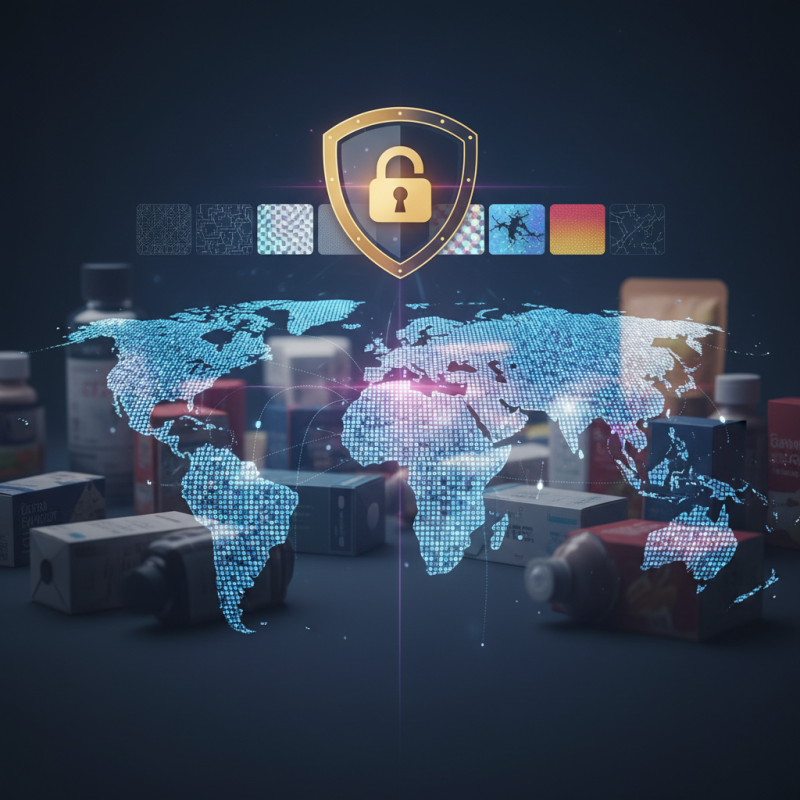
Understanding the Importance of Tamper Evident Labels in Global Sourcing
Tamper evident labels play a vital role in global sourcing. They provide vital security features that instill trust in consumers. In a marketplace filled with counterfeit products, these labels serve as the first line of defense. They not only deter tampering but also reassure buyers that the products are safe and authentic. Many industries rely on these labels, from food and pharmaceuticals to electronics.
When sourcing tamper evident labels globally, companies must understand regional regulations and standards. Different countries may have unique requirements for labeling. Knowledge of these differences is essential. Failure to comply can lead to expensive recalls or legal issues. Some suppliers may not always offer the most reliable options. Due diligence in evaluating manufacturers is critical to ensure quality and compliance.
Communication with suppliers is vital. Misunderstandings can lead to significant setbacks. Packaging design can also affect label performance. Adapting to local market preferences is crucial. Label designs that work well in one region may not resonate in another. Testing various options and collecting feedback can reveal valuable insights for improvement. In the end, the goal is to strike a balance between security and market appeal.
Identifying Reliable Suppliers for Tamper Evident Labels Worldwide
In today's global market, sourcing tamper evident labels requires a strategic approach. Identifying reliable suppliers is crucial to ensure product integrity and consumer safety. A recent report from Grand View Research highlights that the tamper-evident packaging market is expected to reach $76.44 billion by 2025. This growth underscores the increased demand for trustworthy suppliers.
When sourcing, it's essential to consider suppliers that adhere to industry standards. Certifications can reflect their credibility. Look for suppliers with ISO certifications or those recognized by industry bodies. These credentials may indicate reliability in production practices.
Engaging with suppliers who offer transparency in their operations is vital. This could include sharing sourcing practices and materials used. A focus on sustainability can also be beneficial. Willingness to provide samples for quality checks is a good sign.
Communication plays a key role. Assess how promptly and clearly a supplier responds to inquiries. Timely responses can indicate their commitment to customer service. Trust your instincts when something feels off. Don't overlook suppliers who provide excessive promises without concrete data. The right partner should evoke confidence through both performance and communication.
Evaluating Material Quality and Compliance Standards for Labels
When sourcing tamper evident labels globally, evaluating material quality and compliance standards is crucial. The right labels can enhance product safety and increase consumer trust. According to market research, over 70% of consumers prefer products with visible tamper evidence. This demonstrates the importance of effective labeling in enhancing brand integrity.
One key tip is to assess the materials used in label production. Look for materials that offer durability and adhesive strength. Testing labels under various environmental conditions can reveal their effectiveness. Achieving compliance with international standards, such as ISO 9001, ensures that your labels meet high-quality thresholds. Quality labels can withstand conditions like temperature changes and moisture.
Understanding local regulations is another critical aspect. Different countries have specific compliance requirements. Researching this can prevent costly delays. Utilizing resources like the FDA guidelines can help you navigate these complexities. Don't underestimate the need for ongoing audits of your suppliers. Working with suppliers who prioritize compliance can reduce risks related to counterfeit products.
In addition, consider eco-friendly options. As sustainability becomes a priority, many businesses are seeking biodegradable materials for their labels. This aligns with consumer preferences for greener products. Evaluating the entire supply chain for sustainability can enhance your brand's reputation. Always be ready to adapt your strategies as market dynamics change.
Material Quality and Compliance Standards for Tamper Evident Labels
Logistics and Distribution Considerations for Global Sourcing
When sourcing tamper evident labels globally, logistics and distribution are critical. Understanding your supply chain is essential. Consider shipping times and costs, as delays can occur in international freight. Working with reliable carriers helps mitigate risks. Choose locations for manufacturers wisely. Proximity to shipping ports can reduce transportation time.
Distribution centers play a significant role in managing global logistics. Evaluate potential centers based on their efficiency and technology use. Inventory management systems are vital for tracking supplies. You need to maintain a balance between stock and demand. Poor forecasting can lead to overstocking or shortages.
Be aware of customs regulations. They can significantly impact delivery timelines. Ensure all documentation is in order to prevent issues. Communication with suppliers is crucial. Regular check-ins can clarify expectations. A lack of clarity might lead to misunderstandings regarding delivery schedules or product specifications. Always reflect on past experiences to improve future sourcing efforts.
Top 5 Tips for Sourcing Tamper Evident Labels Globally
| Tip | Description | Considerations |
| 1. Research Suppliers | Investigate potential suppliers thoroughly to ensure they meet quality and compliance standards. | Look for certifications and industry reputation. |
| 2. Understand Regulations | Know the labeling and packaging regulations in the markets you are entering. | Check for local compliance and international rules. |
| 3. Assess Material Quality | Ensure that materials used for labels are durable and tamper-evident. | Request samples for testing before bulk ordering. |
| 4. Evaluate Costs | Compare pricing from different suppliers to get the best value. | Consider shipping and duty costs in total budget. |
| 5. Plan for Logistics | Organize efficient shipping and distribution according to your delivery timelines. | Engage with logistics partners to mitigate risks. |
Cost Analysis and Negotiation Strategies for Label Procurement
When sourcing tamper evident labels globally, cost analysis is critical. Begin by understanding the total cost of ownership (TCO). TCO includes not only the price of the labels but also shipping, tariffs, and potential waste. It’s vital to consider how different suppliers affect your bottom line. Some offer low initial costs but high shipping fees. Others may provide better value with all-inclusive pricing.
Negotiating with suppliers can yield substantial savings. Create a detailed outline of your label requirements. Articulate your needs clearly and express your willingness to adjust order sizes for better pricing. It is often beneficial to approach multiple suppliers simultaneously. This fosters competition and helps you secure a more favorable deal.
Quality should always be weighed against cost. While seeking the best price, do not compromise on quality. Weak labels may lead to safety incidents, affecting your reputation. Reflect on past sourcing experiences; identify where savings led to issues. Maintaining a balance between cost efficiency and quality ensures long-term success in label procurement.