Essential Tips for Using Brown Paper in Packaging Solutions?
In recent years, the demand for sustainable packaging solutions has surged, with the global market for eco-friendly packaging expected to reach $500 billion by 2027. Brown Paper, a versatile and biodegradable option, is at the forefront of this shift. Its renewable nature and recyclability make it a compelling choice for businesses aiming to reduce their environmental footprint. According to a report by Smithers Pira, the use of recycled paper can lower material costs by up to 30%, providing both economic and ecological benefits.
Despite its advantages, some companies overlook the potential of Brown Paper. Not all Brown Paper is created equal, and quality can vary significantly. Selection of the right type for specific applications is crucial. For instance, using a thicker grade for heavier products can enhance protection during transit. The underestimation of strength properties in some brown paper types may lead to damaged goods, resulting in financial losses and customer dissatisfaction.
Ultimately, understanding the various grades of Brown Paper, along with effective packaging design, is vital. Businesses should not only focus on sustainability but also consider the performance of their packaging materials. This balance can lead to more successful outcomes in product delivery and customer experience. By integrating these insights, companies can harness the full potential of Brown Paper in their packaging solutions.
Understanding the Benefits of Brown Paper in Packaging Solutions
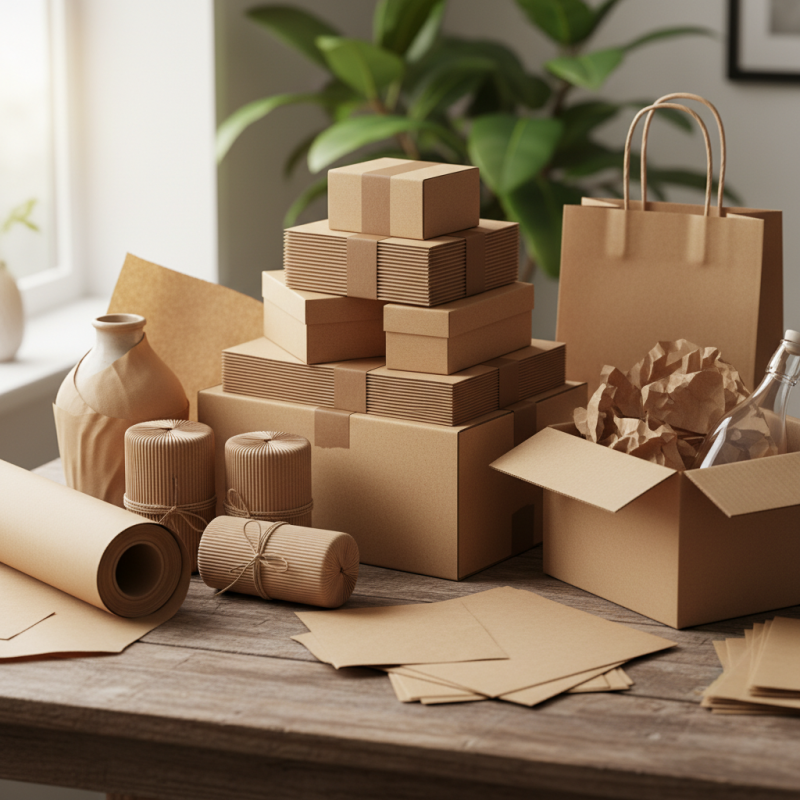
Brown paper is a versatile and eco-friendly choice for packaging solutions, offering multiple benefits. It is biodegradable and recyclable, making it an excellent alternative to plastic. This sustainable material can reduce waste and lower your carbon footprint. Additionally, brown paper provides a rustic look that appeals to environmentally conscious consumers, enhancing your brand image.
When using brown paper, consider its thickness and quality. Thicker paper offers better protection for fragile items. Use it to wrap products securely, ensuring they arrive undamaged. Incorporating natural fibers can also add a unique texture, making your packaging stand out.
Be mindful of the design. Simple prints or logos can elevate the overall aesthetic. Customizing the paper may seem costly, but it can attract more customers. Test different styles to see what resonates with your audience. Experiment with various techniques, such as crumpling or layering, that can create an appealing visual effect. Always ensure the quality aligns with your brand's values while also being practical.
Comparative Analysis: Brown Paper vs. Other Packaging Materials
Brown paper packaging is gaining attention in an eco-conscious industry. A 2022 report by Smithers highlights that brown paper usage has increased by 12% over the last five years. This growth addresses environmental concerns and the demand for sustainable options. Brown paper, derived from recycled materials, offers biodegradability. In contrast, plastic packaging poses disposal problems, contributing to pollution.
When comparing these materials, brown paper scores high in versatility. It can be shaped into bags, wraps, and padding. Studies show that consumers prefer brands using sustainable materials. Approximately 66% of millennials express willingness to pay more for eco-friendly packaging. However, the durability of brown paper can be a concern. It may not be suitable for all products, especially those needing high moisture resistance.
Additionally, the cost of brown paper may fluctuate based on recycled content availability. While it is more affordable than many synthetic options, price stability depends on sourcing practices. Overall, brands need to weigh the benefits of brown paper against these challenges while designing their packaging strategies.
Exploring Sustainability: The Environmental Impact of Brown Paper
Brown paper has gained attention as a sustainable packaging option. Its production typically uses fewer chemicals than plastic.
This reduces the overall environmental footprint. Additionally, brown paper is biodegradable and recyclable. These qualities make it an eco-friendly choice for businesses and consumers alike.
When using brown paper for packaging, consider the following tips. Ensure that the paper is sourced from responsible suppliers. Check for certifications like FSC or PEFC. This guarantees sustainable forestry practices. Additionally, experiment with different weights of paper. Thicker varieties may offer better protection for fragile items.
Brown paper can sometimes appear plain and unappealing. Using creative designs can enhance its visual appeal. Experiment with stamps or eco-friendly inks. This not only improves aesthetics but also promotes a sustainable message. Reflecting on the use of brown paper, companies should consider its life cycle. How long does it take to decompose in various environments? Understanding these factors can enhance informed decisions.
Key Industry Statistics: Brown Paper Usage and Market Trends
The brown paper market is experiencing significant growth. Recent industry statistics indicate that demand for brown paper is rising at an annual rate of 4.5%. This growth is partly due to increased awareness of sustainable packaging options. Businesses are seeking alternatives to plastic, and brown paper is often seen as a more eco-friendly choice.
In terms of usage, brown paper accounts for nearly 20% of the global packaging market. Companies across multiple sectors, including retail and food service, are adopting this material. Interestingly, while many embrace brown paper, some still cling to traditional plastic packaging. This contrast highlights a need for further education about the benefits of brown paper.
However, not all brown paper products are created equal. Quality can vary widely. Some brands may offer inferior options that could lead to packaging failures. Small businesses should research suppliers carefully. They need to ensure they choose reliable sources to avoid unexpected issues. The focus should remain on sustainability while ensuring the product's integrity.
Best Practices for Sourcing and Using Brown Paper in Packaging
When sourcing brown paper for packaging, consider its weight and thickness. A heavier paper can provide better protection for fragile items. Look for recycled options, as they are often more sustainable. Always check for certifications that ensure quality and environmental standards.
A common tip for using brown paper is to avoid over-wrapping. While it might seem protective, excess paper can lead to waste. Instead, focus on strategic folding and cutting. This creates a snug fit around the product while minimizing resource use.
Another important aspect is testing the paper’s durability. Not all brown paper performs the same under stress. Some may tear easily or fail to hold weight. Running simple tests can help you find the right option for your specific needs. Always stay open to adjusting your approach based on feedback and results.
Usage of Brown Paper in Packaging Solutions