
(208) 739-9142Monday – Friday 8 AM – 4:30 PM (MST)

China Top 10 Medication Warning Labels You Should Know?

In the realm of healthcare, understanding medication warning labels is crucial for patient safety. Dr. Lisa Chen, a renowned pharmacist and expert in medication management, emphasizes, "Clear medication warning labels save lives by preventing misuse." With the complexities of modern medications, knowing these warnings is invaluable.

Medication warning labels serve as essential guides for patients. They inform users about potential side effects, interactions, and administration instructions. Missing these details can lead to serious health issues. The top 10 medication warning labels in China highlight the most critical information to ensure safe usage.

However, despite their importance, many patients overlook these labels. A key point for reflection is this: Are we fully aware of the risks tied to our medications? Engaging with these labels can empower patients and foster informed decisions regarding their health. Understanding medication warning labels is more than just reading; it’s an essential step toward safety and well-being.
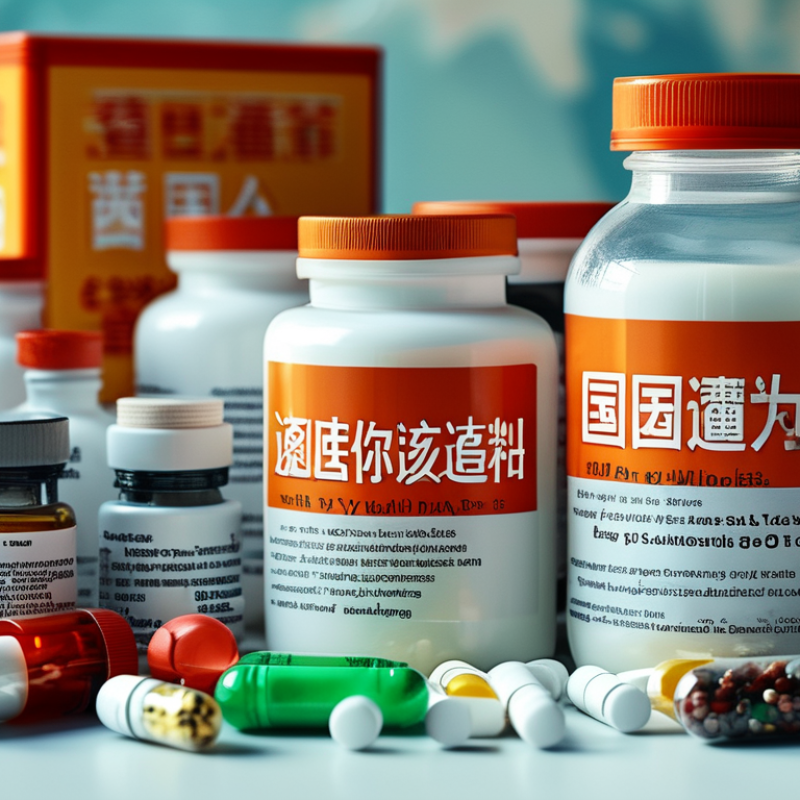
China Top 10 Medication Warning Labels You Should Know?

Top 10 Common Medication Warnings in China You Need to Acknowledge

In China, medication warning labels are crucial for safe usage. Many people ignore these labels, which can lead to serious health issues. Understanding these warnings is essential for anyone taking medication. For instance, some medications may cause drowsiness. It's important to avoid driving or operating heavy machinery. This simple reminder could prevent accidents.

Certain medications can interact with food or other drugs. Users must be cautious about what they consume alongside their prescriptions. Ignoring these warnings can lead to harmful side effects. Some labels also advise against alcohol consumption. Mixing alcohol with certain medicines can worsen side effects or reduce efficacy.

Other warnings highlight specific health conditions. Some medications may not be suitable for individuals with heart issues or liver diseases. This information is vital for patient safety. If you are unsure about a medication's warning, consulting a healthcare professional is wise. Paying attention to these details can make a significant difference in treatment outcomes. Taking medications responsibly is a shared responsibility. It requires awareness and careful consideration of the information provided.

Understanding the Significance of Medication Warning Labels in China

In China, medication warning labels play a crucial role in patient safety. They provide essential information about potential side effects, drug interactions, and usage instructions. A report by the Chinese Food and Drug Administration indicates that improper medication use is a leading cause of adverse drug events. Data shows that nearly 30% of hospital admissions related to drug reactions stem from misunderstandings of warning labels.

Understanding these labels improves health literacy. Many patients, however, struggle to comprehend the complex terminology often used. A survey indicated that over 60% of respondents could not fully interpret the instructions on common medication labels. This gap emphasizes the need for simpler language and clearer visuals on warning labels. Clearer information could significantly reduce the risk of medication errors, which contribute to escalating healthcare costs—estimated at over 100 billion yuan annually in adverse drug events.

The reliance on warning labels also reveals a dependence on written communication in medication management. While these labels are meant to guide users, they can sometimes overwhelm rather than inform. Stakeholders must consider how these labels could evolve to be more user-friendly. Rethinking the design and presentation could enhance understanding. Such improvements may lead to better health outcomes and foster more responsible medication use among the public.

Key Components of Chinese Medication Warning Labels Explained

Medication warning labels in China play a crucial role in patient safety. These labels contain essential information that helps consumers make informed decisions. According to a report by the China National Drug Administration, over 70% of medication errors occur due to misunderstanding label information. Clear, concise communication on these labels can significantly reduce such errors.

Key components include usage instructions, dosage, and potential side effects. When labels are cluttered or overly technical, they may confuse patients. A study published in the Journal of Pharmaceutical Sciences suggests that simplified language improves comprehension among users by 40%. Thus, striving for clarity in medical communications is imperative.

Moreover, warning labels often lack adequate visual cues. Graphical representations could enhance understanding for those with limited health literacy. In addition, many labels do not address specific populations, such as elderly patients, whose medication needs differ. Inconsistencies in labeling can lead to serious health risks. Continuous reflection on these practices is essential for improving medication safety in China.

Impacts of Ignoring Medication Warnings on Health and Safety

Ignoring medication warning labels can have serious consequences for health and safety. Many people underestimate these warnings. They may see them as mere suggestions rather than critical guidelines. This mentality can lead to dangerous interactions or side effects.

For instance, a person might combine medications without realizing the risks. This can cause harmful reactions, sometimes resulting in hospitalization. Each label is designed to prevent such outcomes, but many overlook them. Educating individuals on these warnings is essential for safer medication practices.

Moreover, ignoring dosage instructions can cause overdoses or ineffective treatment. This is particularly concerning in chronic conditions where precise dosing is crucial. Patients might think they know better. They might self-adjust dosages based on their perceptions. However, this can be a slippery slope toward serious health issues. Responsible medication use is vital for maintaining well-being. Awareness of these warnings should be a priority for everyone.

China Top 10 Medication Warning Labels You Should Know

Warning Label Description Potential Health Impact Safety Recommendations
Do Not Use If Package Is Damaged Indicates that the medication may be compromised. Risk of ineffectiveness or contamination. Check package integrity before use.
Keep Out of Reach of Children Medications can be harmful to children. Risk of overdose or poisoning. Store in a high, locked cabinet.
Consult Your Doctor if Pregnant or Nursing Possible risks to the fetus or infant. Potential harm to unborn baby or nursing child. Always consult a healthcare provider.
Avoid Alcohol Combining may cause adverse effects. Risk of increased side effects. Refrain from consuming alcoholic beverages.
May Cause Drowsiness Medication can impair alertness. Increased risk of accidents or injuries. Avoid driving or operating machinery.
Follow Dosage Instructions Carefully Exceeding can lead to adverse effects. Risk of overdose. Use as directed by a healthcare provider.
Store in a Cool, Dry Place Improper storage can decrease effectiveness. Risk of medication degradation. Ensure proper storage conditions.
Not to Be Used After Expiration Date Effectiveness may be reduced. Potential health risks from expired medication. Dispose of expired medications properly.
Check for Allergies Allergic reactions can be severe. Risk of anaphylaxis or other reactions. Consult with a healthcare provider about allergies.
Do Not Crush or Chew Some medications require whole ingestion. Risk of altered dosage and side effects. Take as prescribed, do not alter form.

Cultural Considerations in Interpreting Medication Warnings in China

When interpreting medication warnings in China, cultural nuances play a critical role. Traditional beliefs often shape patients' perceptions of medicine. For instance, many people in China place significant trust in herbal remedies. This can lead to conflicts when faced with modern pharmaceutical advice. Understanding these cultural attitudes is essential for healthcare providers.

Language is another important factor. Medication labels often feature technical terms that may confuse patients. Simple language is crucial to ensure patient comprehension. Using visuals can help bridge the gap. Graphical representations of potential side effects may reduce misunderstandings.

Tips: Always ask questions about medication labels. Don't hesitate to express confusion. Healthcare providers should encourage open dialogue. Simplifying complex terms fosters better understanding. Familiarizing yourself with local culture can aid communication significantly. This not only builds trust but also improves health outcomes.

China Top 10 Medication Warning Labels You Should Know

Go to Top