2026 Top Blister Packaging Machine Options for Global Buyers?
In the rapidly evolving world of packaging, the blister packaging machine stands out as a crucial investment for global manufacturers. According to a recent industry report, the blister packaging market is expected to reach $23 billion by 2026, reflecting a compound annual growth rate (CAGR) of 6.8%. This growth highlights the increasing demand for reliable and efficient packaging solutions across various sectors, including pharmaceuticals, consumer goods, and electronics.
Selecting the right blister packaging machine involves several considerations. The diversity of options can overwhelm buyers, especially those new to the industry. Key factors include production speed, machine durability, and adaptability to different packaging materials. Each machine type has its pros and cons, and understanding these can prevent potential pitfalls. Ensuring the right fit for specific manufacturing needs is vital.
While many manufacturers opt for state-of-the-art technology, the need for sustainable practices is also prominent. Blister packaging machines must comply with stringent regulations while minimizing environmental impact. The challenge lies in balancing efficiency and eco-friendliness. Buyers must reflect on their choices, as gear that lacks longevity can result in extra costs. Thus, navigating this complex landscape requires expertise and careful consideration.
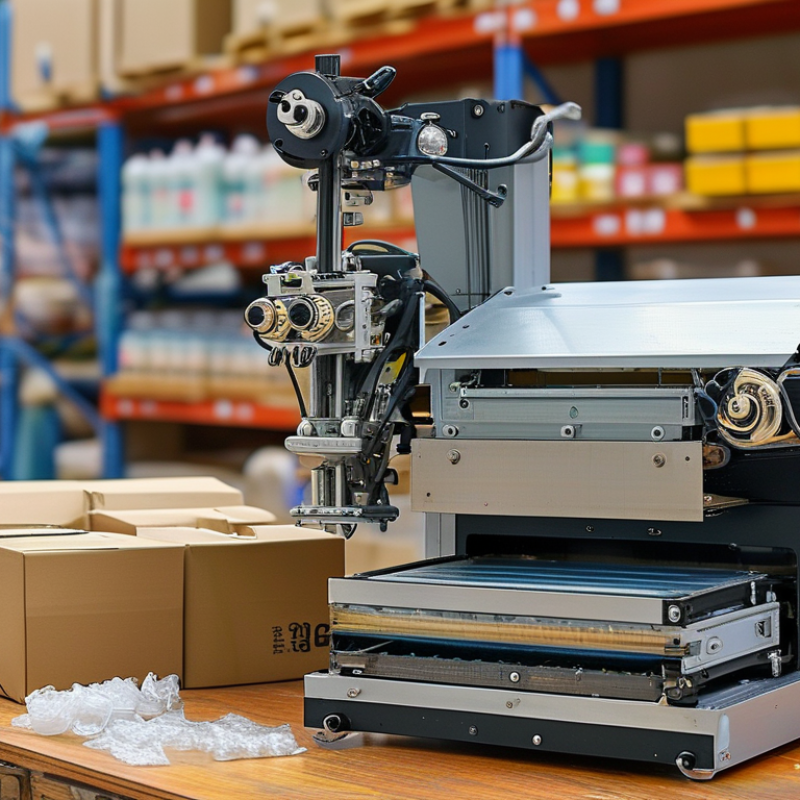
Overview of Blister Packaging Machines in 2026
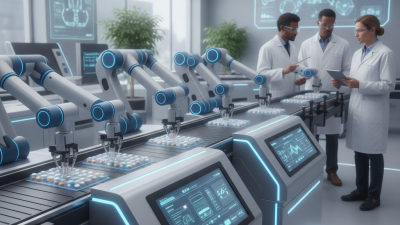
In 2026, blister packaging machines play a critical role in various sectors, including pharmaceuticals and consumer goods. Industry reports indicate a steady increase in demand, with a growth rate projected at around 5% annually. This demand surge is attributed to the need for efficient packaging solutions that enhance product protection and shelf life. Manufacturers are focusing more on automation and user-friendly designs to meet these evolving needs.
One notable trend is the integration of smart technologies in blister packaging machines. This advancement allows for better quality control and tracking systems. For instance, sensors can monitor the packaging process, minimizing errors and waste. However, transitioning to these advanced machines requires training, potentially leading to initial downtime. Assessing the long-term benefits against upfront costs is essential.
Tips: When selecting a blister packaging machine, consider the specific needs of your products. Assess machine versatility to adapt to different packaging types. Additionally, evaluate the availability of technical support and after-sales service to ensure seamless operation. Smart investments can lead to significant cost savings.
Key Features to Consider When Choosing a Blister Packaging Machine
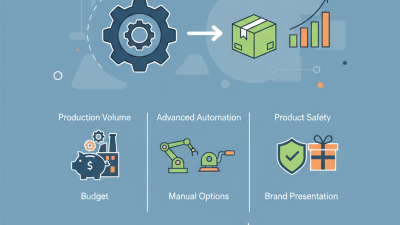
When selecting a blister packaging machine, understanding key features is crucial. Speed and efficiency are top priorities. A machine that can maintain a consistent output without sacrificing quality saves time and resources. Ease of use is also essential. Operators should manage settings intuitively, leading to faster training and fewer errors.
Tip: Look for machines with adjustable settings. This allows production to adapt to different product sizes and materials, enhancing versatility. Inquire about the machine's reliability in continuous operation. You wouldn't want frequent breakdowns disrupting your workflow.
Another important feature to consider is the sealing method. Different products require specific sealing techniques to ensure product safety. A robust sealing process prevents contamination and guarantees freshness. Moreover, think about maintenance. Machines that are easy to clean and maintain can save a lot of downtime.
Tip: Assess the availability of spare parts and service support. Reliable access to replacements is vital for long-term operation. Reflect on how the initial cost can impact your budget. Over time, more efficient machines can lead to savings. Balancing cost with performance and reliability is key in the decision-making process.
Top Brands and Manufacturers of Blister Packaging Machines for Global Buyers
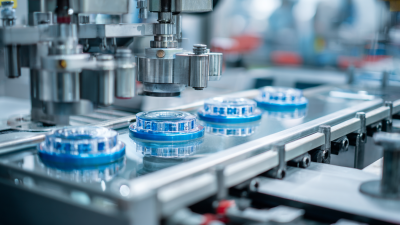
Blister packaging machines play a crucial role in various industries, including pharmaceuticals and consumer goods. These machines offer protection and visibility for products, ensuring they reach consumers safely. Major manufacturers focus on integrating advanced technologies to enhance efficiency and precision in their equipment. Buyers should seek suppliers with a proven track record, as experience often translates into reliability.
When considering options for blister packaging machines, one must evaluate factors like production speed and material compatibility. Different brands provide diverse solutions that cater to various operational scales. It’s important to assess their customer support and after-sales service, as this can significantly impact production continuity.
While there are many established manufacturers, choosing the right one can be challenging. Some may claim to offer superior quality without adequate proof. Exploring user reviews and case studies can reveal insights into performance and durability. Engaging in discussions with industry peers can also highlight useful experiences, guiding informed decisions.
2026 Top Blister Packaging Machine Options for Global Buyers
This chart displays the projected demand for various types of blister packaging machines in the global market for 2026.
Comparative Analysis of Blister Packaging Machine Prices and Performance
When considering blister packaging machines for 2026, one key focus is the comparative analysis of prices and performance. Various options cater to different market needs, making it essential for buyers to assess their specific requirements. Price ranges for these machines can vary significantly, influenced by features such as speed, material compatibility, and automation levels.
Understanding the price-performance ratio helps in identifying the right machine. For instance, mid-range models often offer a balance of efficiency and cost, while high-end machines provide advanced technology, impacting initial investment. However, the benefits of increased productivity and reduced waste can justify higher costs. Buyers should also consider maintenance expenses, as these can affect long-term performance.
Evaluating each machine's specifications is crucial. Some models excel in output speed but may lack versatility. Others might be well-priced but underperform in essential aspects. Reflecting on these factors ensures that buyers make informed decisions that align with their business goals, ultimately enhancing operational efficiency and profitability in the packaging process.
2026 Top Blister Packaging Machine Options for Global Buyers
| Machine Type |
Price Range (USD) |
Production Speed (units/min) |
Features |
Warranty (Years) |
| Automatic Blister Machine |
$20,000 - $50,000 |
80 |
Servo driven, PLC control, Easy maintenance |
2 |
| Semi-Automatic Blister Machine |
$10,000 - $25,000 |
40 |
Compact design, User-friendly interface |
1 |
| Continuous Blister Machine |
$30,000 - $60,000 |
120 |
High efficiency, Minimal downtime |
3 |
| Pharmaceutical Blister Machine |
$40,000 - $80,000 |
60 |
Customizable, High-precision sealing |
2 |
| Blister Packaging Line |
$70,000 - $150,000 |
150 |
Fully integrated, Automated feeding and discharging |
5 |
Emerging Trends in Blister Packaging Technology for 2026
Blister packaging continues to evolve, accommodating the rising demand for user-friendly and secure packaging solutions. By 2026, the market for this technology is projected to reach $30 billion, driven by sectors like pharmaceuticals and consumer goods. Several trends are shaping this landscape.
Sustainability is a major focus. Eco-friendly materials are gaining attention. Manufacturers are exploring biodegradable and recyclable options. A report by Grand View Research indicates that 43% of consumers prioritize sustainable packaging.
This shift presents challenges in balancing cost and environmental impact.
Automation is another significant trend. Machines are becoming smarter. Industry reports suggest that automated blister packaging lines can enhance efficiency by 30%. However, high initial investments can deter small players. The complexity of integrating advanced technology must be considered as well.
Innovators must find ways to simplify user experiences while maintaining quality and performance standards.