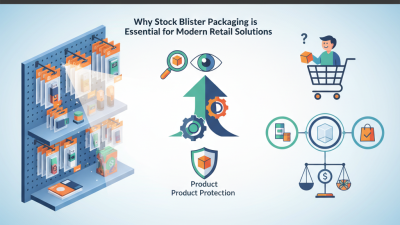
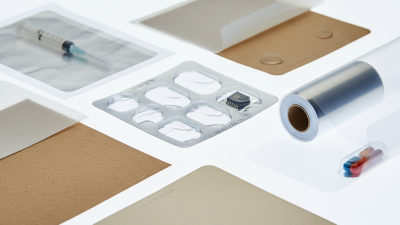
Top 10 Stock Blister Packaging Solutions for Your Business?
In today's competitive market, choosing the right packaging solution is crucial for success. Stock blister packaging is a popular option for many businesses. It combines durability and visibility, allowing products to stand out. But with so many choices available, how do you select the best fit for your needs?
Many companies face the challenge of packing products effectively. Stock blister packaging offers a range of benefits. It protects items from damage while showcasing them perfectly. However, there is no “one size fits all” solution. Each business has unique requirements, and certain factors may affect your choice.
Understanding the features of each packaging type is essential. The right stock blister packaging can enhance the customer experience. It can also streamline your operations and reduce costs. However, selecting the wrong option can lead to wasted resources and lost customers. Therefore, it’s worth taking the time to assess your options carefully. The following guide explores the top ten stock blister packaging solutions available for your business. Each entry reflects real-world applications and insights, ensuring you make an informed decision.
Understanding Stock Blister Packaging and Its Importance for Businesses
Blister packaging offers crucial benefits to businesses across various sectors. It provides a protective shell, safeguarding products from external elements. According to a recent market research report, the blister packaging market is projected to grow by 5.6% annually through 2028. This growth indicates the rising demand for effective packaging solutions.
Choosing the right blister packaging can enhance product visibility and consumer trust. Clear designs allow customers to see the product while ensuring its safety. A report by Smithers Pira highlights that nearly 70% of consumers prefer products in transparent packaging. However, many businesses underestimate the impact of quality packaging on customer experiences.
Packaging failures or damages can lead to higher return rates. Research shows that 30% of consumers would avoid a brand after experiencing product damage. This highlights the importance of investing in reliable blister packaging solutions. As companies evolve, they must prioritize packaging that balances cost with quality. The right approach can have long-lasting effects on brand loyalty and market performance.
Key Features to Look for in Stock Blister Packaging Solutions
Choosing the right stock blister packaging solutions for your business involves understanding key features that can impact your product's success.
Clarity and visibility are vital. Consumers prefer packaging that showcases the product inside.
A well-designed blister clear dome can enhance appeal. The right material selection matters too, with options ranging from PVC to PET.
Each comes with its advantages and shortcomings, such as durability versus recyclability.
Tamper resistance is another crucial aspect. It builds consumer trust and ensures product integrity.
When evaluating blister packaging, check for seals that are both effective and easy to open. This balance is tricky.
Too secure, and consumers may struggle; too loose, and products may be compromised. Consider sizes and configurations as well.
Customization can be beneficial, but stock solutions offer convenience and speed.
Think about production efficiency. Blister packs should allow for easy filling and sealing processes. This can save time and reduce costs.
Analyze how well the packaging aligns with your supply chain. Some designs ensure better stackability than others.
Always remember that testing is essential. Sometimes, what seems perfect may not perform under real conditions.
Experimenting can reveal unexpected insights that lead to improvements.
Top 10 Stock Blister Packaging Options for Various Products
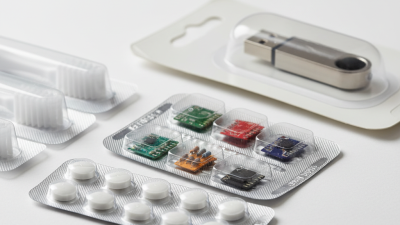
Blister packaging is a popular choice for many businesses. It provides visibility and protection for various products. This type of packaging is versatile and can cater to different items. Pharmaceuticals, electronics, and cosmetics often use blister packs effectively.
One option is a PVC blister. It's clear, allowing end-users to see the product directly. This ensures customers can check quality before purchase. Another viable choice is PET, which is environmentally friendly. It offers good durability and is convenient to recycle. However, its cost can be higher than PVC.
For those looking for something unique, consider using custom-shaped blisters. They can fit products perfectly and improve shelf appeal. Despite their benefits, custom designs may lead to longer production times. Testing packaging for specific products is essential. Understanding the needs of your product will help in selecting the best blister packaging solution. Each option comes with its pros and cons. Reflecting on these aspects can lead to better decisions for your business.
Comparing Cost-Effectiveness of Different Blister Packaging Solutions
When choosing blister packaging, cost-effectiveness is essential. Several options exist, each with unique benefits and drawbacks. Materials like PVC, PET, and paper-based solutions can vary significantly in price and performance.
PVC is often the most affordable choice. It provides excellent clarity and protection. However, it may not be the most environmentally friendly. Companies concerned about sustainability might find this decision challenging. Switching to PET can increase costs, but it offers better recyclability and a more positive brand image. Balancing cost and environmental impact becomes crucial.
Another option is paper-based blister packs. They demonstrate an eco-friendly approach and can be less expensive than traditional plastic. However, they may not perform as well in moisture resistance. This trade-off requires careful evaluation. Ultimately, assessing the specific needs of your product will guide your choice. Consider factors such as durability, visibility, and environmental impact. Understanding these elements will aid in making an informed decision.
Top 10 Stock Blister Packaging Solutions for Your Business
Sustainability Practices in Stock Blister Packaging Choices
Sustainability is increasingly vital in stock blister packaging choices. Many businesses strive to reduce their environmental impact. One approach is using recyclable materials. These options are essential for businesses looking to improve their eco-friendliness. They can attract consumers who prioritize sustainability.
Choosing biodegradable materials represents another trend. This choice supports the circular economy by minimizing waste. Companies should consider the long-term effects of packaging on the planet. Packaging that breaks down over time reduces landfill contributions, promoting a cleaner environment. However, not all biodegradable options perform well in terms of durability.
Another aspect to consider is the reduction of plastic use. Minimalist designs can lessen material consumption. They reduce the amount of waste generated. But it also raises questions about product protection. Striking a balance is crucial. The packaging must protect the product while remaining sustainable. Engaging consumers in this discussion is important as well. Their feedback can shape future packaging solutions.