Top Stock Clamshell Packaging Options for Your Business Needs?
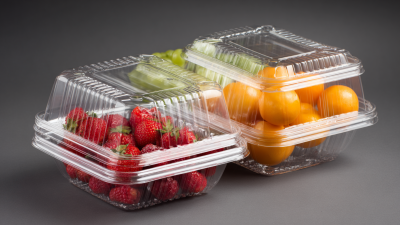
In the competitive landscape of retail, choosing the right packaging can make a considerable difference. Stock clamshell packaging presents a versatile solution for various industries. These packages not only protect products but also enhance visibility. Their transparent design showcases items effectively, attracting potential customers.
However, finding the perfect stock clamshell packaging is not always straightforward. Different products require specific features. For instance, food items need tamper-evident options, while electronics may require added cushioning. It’s essential to understand these nuances to make informed decisions. Many businesses overlook these details, leading to unoptimized packaging choices.
Moreover, sustainability is a growing concern. Many consumers now prefer eco-friendly packaging options. Addressing this need while maintaining product integrity creates a challenge. Balancing aesthetics, functionality, and environmental impact requires expertise. Businesses must reflect on their packaging strategy to ensure they meet customer expectations while remaining efficient.
Understanding Clamshell Packaging: Definition and Benefits
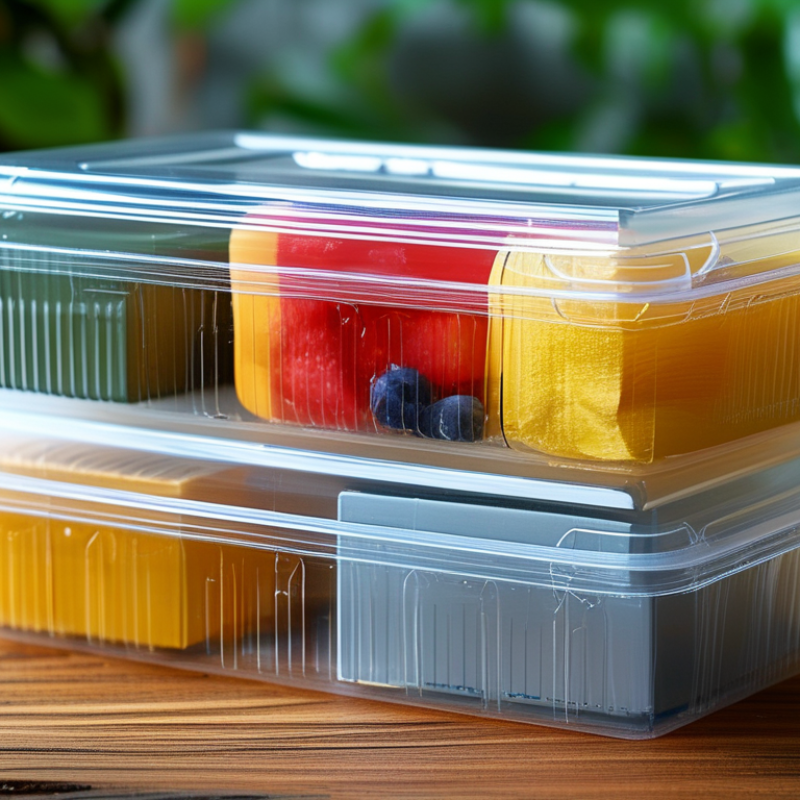
Clamshell packaging is a widely recognized option for various industries. It consists of two halves that are hinged together, creating a secure container. This design offers excellent visibility of the product inside, making it appealing for retail display. Additionally, clamshells provide protection against external elements and accidental damage. They are made from various materials, including recycled plastic, enhancing sustainability.
When considering clamshell packaging, think about your product's specific needs. Choose materials that align with your brand values and the product you sell. Transparency is crucial; customers often prefer to see the product before purchasing. A well-designed clamshell should not only showcase the item but also provide information clearly.
Another aspect to reflect on is the environmental impact. While clamshell packaging can offer durability and protection, many consumers value eco-friendly options. Explore alternatives, like biodegradable materials, to appeal to eco-conscious buyers. This shift may also influence your brand reputation positively. Remember to balance sturdy packaging with sustainability to meet customer expectations.
Top Stock Clamshell Packaging Options for Your Business Needs
| Packaging Type |
Material |
Size Options |
Benefits |
Typical Uses |
| Standard Clamshell |
PET |
Small, Medium, Large |
Excellent visibility, stackable |
Food products, electronics |
| Custom Designed Clamshell |
PVC |
Various sizes |
Tailored for specific products |
Beauty products, tools |
| Eco-Friendly Clamshell |
Biodegradable Materials |
Small, Medium |
Sustainability focused |
Organic food, eco-products |
| Retail Clamshell |
HIPS |
Standard retail sizes |
Durable, tamper evident |
Consumer goods, toys |
| Heavy-Duty Clamshell |
Polypropylene |
Large sizes available |
High durability, reusable |
Gardening tools, hardware |
Key Factors to Consider When Choosing Clamshell Packaging
When selecting clamshell packaging for your business, several factors come into play. The material is crucial. Around 60% of consumers look for eco-friendly packaging options. Using biodegradable materials can enhance your product's appeal. Consider the size and shape needed for your products. An ill-fitting package may lead to damage or a poor display on shelves. According to industry reports, well-designed clamshells can increase visibility by 30%, impacting sales positively.
Cost is a significant factor. Businesses should analyze production costs versus potential sales. A balance is essential; investing in quality packaging can yield better long-term results. However, cheaper options might seem tempting, they may not offer the same durability. Reflect on your packaging choices. They communicate your brand's values to consumers. You want to convey trust and quality.
Testing is critical before finalizing your choice. Gather feedback from customers about packaging preferences. Conduct trials to see how well the packaging protects your product during shipping. This feedback loop can sometimes reveal unexpected insights. Manufacturers that adapt based on consumer responses often see increased loyalty and repeat business. Your packaging is part of your product's identity—getting it right is imperative.
Popular Materials Used in Clamshell Packaging Solutions
Clamshell packaging has gained popularity due to its versatile materials and functional design. Among the materials used, PET and PVC are prominent choices, each offering unique advantages. PET is known for its clarity and strength, making it a preferred option for companies focusing on visual appeal. According to a 2021 report by Smithers Pira, the demand for PET in packaging is projected to grow at a rate of 4.8% per year.
PVC, while slightly less eco-friendly, is durable and cost-effective. It is often used in the packaging of electronics or fragile items. A study from the Plastics Industry Association indicated that around 30% of companies opt for PVC due to its versatility and lower production costs. However, this raises concerns over environmental impact. The recycling of PVC is less common, which businesses should consider when selecting materials.
Biodegradable options like PLA are becoming increasingly popular. These materials offer a sustainable alternative but often lack the strength required for heavy-duty applications. A recent market analysis showed that the green packaging sector is expected to grow, reflecting consumers' preferences for environmentally friendly products. Companies must weigh the benefits of these materials against potential drawbacks to meet their packaging goals effectively.
Comparative Analysis of Different Clamshell Packaging Options
When considering clamshell packaging options, businesses often face various choices. Each type has unique features, benefits, and drawbacks. Clear plastic clamshells are popular due to their visibility and sturdiness. They allow customers to see the product inside. This often leads to better purchasing decisions. However, they might not provide enough protection for more delicate items.
There are also biodegradable options available. These are gaining traction, especially among environmentally conscious consumers. They help reduce plastic waste. Yet, businesses should assess whether these options offer sufficient durability. Inconsistent quality can be a concern. Some biodegradable materials might not hold up during transport.
Finally, the cost is a significant factor. While cheaper clamshells can save money, they may compromise quality. Investing in higher-quality packaging can enhance product presentation. It can help in building brand trust. Each business has different needs, making it essential to evaluate options carefully. Discussing these with packaging specialists can provide deeper insights.
Industry-Specific Clamshell Packaging Recommendations
Clamshell packaging serves various industries, each with specific needs. The food sector, for example, often demands materials that are both durable and safe for direct contact. Research indicates that 65% of consumers prefer packaging that offers visibility of the product. Transparent clamshells fulfill this desire while providing protection. This is crucial in a market where 54% of customers make snap purchasing decisions influenced by product visibility.
In the retail and e-commerce spaces, packaging solutions must ensure safe delivery and display. A study shows that 72% of consumers consider packaging a critical part of their unboxing experience. Clamshells can be customized for branding, which enhances visibility. However, sustainability remains a concern. About 50% of consumers express a preference for eco-friendly packaging. Businesses should reflect on how their clamshell choices align with these values. A shift towards biodegradable options could meet market demands while improving brand image.
Moreover, the electronics industry also utilizes clamshell packaging. These require anti-static materials to protect sensitive components. In this instance, over 70% of product damage cases stem from inadequate packaging. Companies must evaluate the protection their clamshell designs provide against physical and environmental damage. Investing in quality is essential, yet balancing cost and effectiveness can pose challenges.
Top Stock Clamshell Packaging Options for Your Business Needs
This chart illustrates the various types of clamshell packaging used across different industries, showcasing their popularity based on market demand.