
(208) 739-9142Monday – Friday 8 AM – 4:30 PM (MST)

What Are Disposable Food Storage Containers?

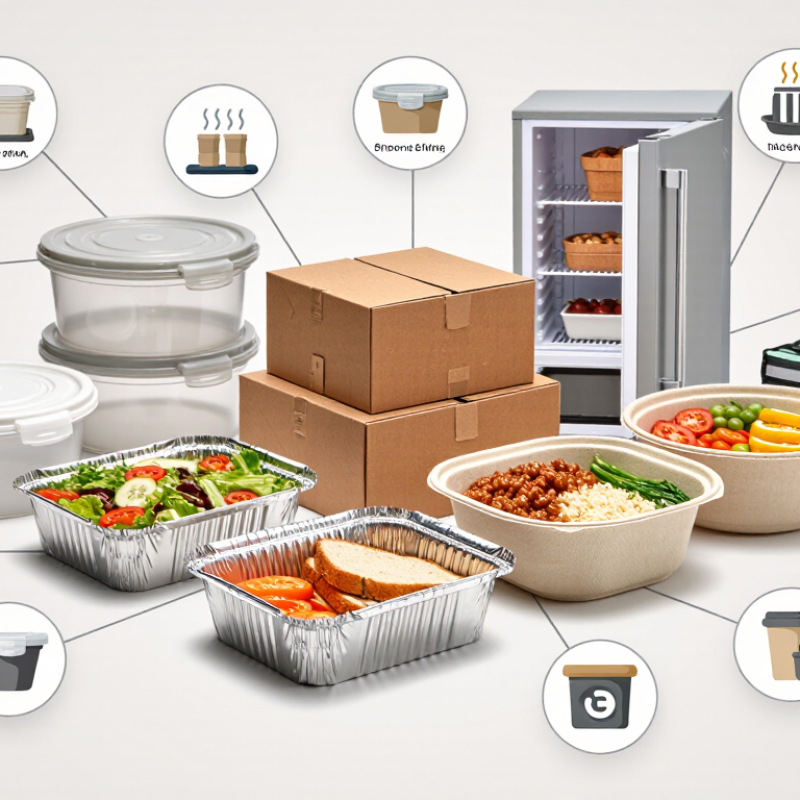
Disposable Food Storage Containers are single-use vessels designed to hold, protect, or transport food. They come in familiar forms: clear plastic tubs, paperboard boxes, aluminum trays, and molded-fiber bowls. A container may sit beneath a warm lunch, hold sliced fruit in a refrigerator, or keep sauce from spilling during a short trip. That sounds simple. But details matter.

Material and shape affect how a container performs. A tight-fitting lid can help limit leaks, while a sturdy base makes carrying a full meal easier. Some options handle hot foods better than others, and not every container is suitable for a microwave, freezer, or greasy dish. Check the product label rather than guessing. It is a small step, but an important one. A thin box that works for a dry pastry may soften under steaming rice or oily noodles. I have found that the right choice depends less on appearance than on the food, temperature, and time involved.

These containers are valued for convenience in takeout, catering, meal preparation, and events. Still, “disposable” does not describe one material or one environmental outcome. Reuse and disposal guidance varies by product and local facilities, so broad claims can be misleading. This guide explains common container types, practical features, and what to check before use. Some choices remain imperfect. Knowing their limits helps people choose more thoughtfully.
What Are Disposable Food Storage Containers?

Definition and Key Characteristics of Disposable Food Storage Containers

Disposable food storage containers are single-use or short-use vessels designed to hold, transport, and serve prepared food. Common forms include hinged takeaway boxes, shallow trays, cups, and lidded bowls. They are made from materials such as plastic, paperboard, molded fiber, or aluminum. The material affects weight, leak resistance, heat tolerance, and whether a container suits a microwave or freezer. Check the container’s stated use; appearance alone is not enough.

Convenience is central. Many containers are lightweight and stack neatly, while fitted lids help reduce spills during delivery. Some resist grease or moisture better than others. A paper-based container may soften with wet food, and a clear plastic lid may not tolerate heat. Small details matter. In practice, lids can fit loosely, so transport conditions deserve attention.

The wider packaging burden gives useful context, though it does not measure food containers alone. The US Environmental Protection Agency reported that containers and packaging generated 82.2 million tons of municipal solid waste in 2018, or 28.1% of the total. OECD’s Global Plastics Outlook estimated that packaging represented 40% of global plastic waste in 2019. These figures cover broad packaging categories, not just disposable meal boxes. “Recyclable” or “compostable” on a label also does not guarantee local processing; food residue and collection rules can change what happens next. That part is easy to overlook.

Common Materials Used in Their Manufacture

What Are Disposable Food Storage Containers?

Common Materials Used in Their Manufacture

Disposable food containers commonly use polypropylene (PP), polyethylene terephthalate (PET), paperboard, molded fiber, or aluminum. PP is lightweight and handles warm foods well. PET is clear, so customers can see salads and chilled meals. Paperboard works for dry foods, while molded fiber often uses pressed plant pulp. Aluminum trays tolerate oven heat, but they can dent during handling. No material fits every meal.

The U.S. Environmental Protection Agency’s 2018 Advancing Sustainable Materials Management report estimated that containers and packaging generated 82.2 million U.S. tons of waste. Paper and paperboard accounted for 41.9 million tons, while plastics accounted for 14.5 million. These figures cover packaging broadly, not food containers alone. That distinction matters.

The OECD’s Global Plastics Outlook reports that worldwide plastic production reached 460 million metric tonnes in 2019. This scale helps explain why plastic remains common, even as fiber-based options gain attention.

But “plant-based” does not automatically mean compostable in a local facility. Material labels can also hide coatings that affect disposal. A container’s real-world performance depends on food type, temperature, and available waste services. I would check those details before treating one material as the obvious choice.

Types and Formats Available

Disposable food storage containers come in several practical formats. Round deli tubs hold soups, sauces, and chopped fruit. Rectangular trays suit rice, salads, and prepared meals. Hinged clamshells keep sandwiches or pastries together, while shallow trays display portions for grab-and-go service. Small cups separate dressing from greens or keep toppings crisp. Shape matters.

Materials vary by use. Polypropylene tubs are common for foods that may be reheated, but users should check the container’s heat rating. Clear PET containers make contents visible; molded-fiber and paperboard formats offer a different feel, though coatings can affect their handling. Aluminum trays tolerate oven use when labeled for it. Lids may snap on, hinge open, or require a separate film seal. Not every lid fits.

Format choices also sit within a much larger packaging picture. The U.S. Environmental Protection Agency’s Advancing Sustainable Materials Management: 2018 Fact Sheet estimated that containers and packaging generated 82.2 million tons of U.S. municipal solid waste that year, or 28.1 percent of the total. That figure covers packaging broadly, not food containers alone. It is a useful scale check, but not a direct measure of which container performs best. In practice, portion size, leak resistance, stacking space, and the actual storage temperature all matter. The catalog can make selection look simpler than it is.

What Are Disposable Food Storage Containers? – Types and Formats Available

Container Type Common Formats Typical Uses Practical Characteristics Use and Disposal Considerations
Polypropylene (PP) plastic Round or rectangular tubs, hinged-lid boxes, compartment trays Prepared meals, soups, leftovers, deli foods Lightweight and relatively flexible; commonly used for containers designed to tolerate reheating. Microwave use depends on the specific container and its labeling. Follow the stated temperature limits; recycling acceptance varies by local collection program.
Polyethylene terephthalate (PET) plastic Clear tubs, salad bowls, cups, lids and produce containers Cold meals, salads, cut fruit, bakery items and chilled foods Clear and lightweight, making contents easy to see. Often selected for cold-food display and storage. Do not assume it is suitable for microwave heating. Check the container label and local recycling guidance.
Polystyrene (PS) plastic or foam Rigid trays, cups, bowls and lightweight foam boxes Cold foods, takeaway meals and short-term food service Foam formats provide insulation; rigid formats are lightweight. Performance varies by design and intended use. Microwave suitability is not universal. Recycling availability for PS and foam products differs widely by location.
Aluminum foil Shallow pans, lidded trays, roasting containers and portion cups Baked dishes, hot entrées, catering and food transport Good heat conduction and useful resistance to moisture and grease; can be shaped into different tray sizes. Do not place in a microwave unless the appliance and container instructions specifically permit it. Recyclability depends on local rules and the container being acceptably clean.
Paperboard or coated paper Folded cartons, meal boxes, soup cups, trays and bowls Sandwiches, baked goods, dry foods and takeaway meals Lightweight and easy to print on; coatings or linings may be used to improve resistance to grease or moisture. Coatings can affect recycling or composting options. Use only for the temperature and food types indicated on the product.
Molded fiber or bagasse Clamshell boxes, plates, bowls, trays and compartment containers Takeaway meals, catering and serving foods Made from formed plant fibers; generally more rigid than lightweight paperboard, though moisture resistance depends on the product. Compostability is product- and facility-dependent. Confirm local acceptance and follow any temperature or food-contact instructions.
Multi-compartment meal containers Sectioned trays, divided clamshells and entrée boxes Portioned meals, meal preparation and combination plates Separates foods within one package and may be made from plastic, molded fiber or coated paperboard. Material determines heating, recycling and composting options. Check the base or packaging for material identification and use instructions.

General note: Disposable food storage containers are single-use or limited-use packages designed to hold, protect or transport food. Suitability for hot food, refrigeration, freezing, microwaving, recycling or composting depends on the exact material, construction and product instructions.

Typical Uses Across Food Service and Daily Life

What Are Disposable Food Storage Containers?

Typical Uses Across Food Service and Daily Life

Disposable food storage containers are single-use or short-term vessels for holding prepared meals, ingredients, and leftovers. They commonly come in plastic, paperboard, molded fiber, or aluminum. In food service, kitchens use them for takeout orders, deli portions, sauces, and packed lunches. A clear container helps staff identify a salad quickly, while a sturdy base can make soup safer to carry. Small details matter.

At home, these containers can portion snacks, store extra rice, or send baked goods with a guest. They are handy after a busy dinner, when washing another dish feels like one task too many. But convenience has limits. A lid that looks secure may still leak if the container tips in a crowded bag. Check the package guidance before using a container with hot food, a microwave, or a freezer; materials vary. For repeated storage, inspect containers for cracks, warping, or loose lids, and replace them when they no longer protect the food well. Disposable options can reduce dishwashing, though they also create more waste. That trade-off is easy to overlook during a rushed meal.

Disposal, Recycling, and Environmental Considerations

Disposable food storage containers are convenient, but their end-of-life options depend on material and local waste services. A clean, dry container may be accepted in some recycling programs; another with the same appearance may not be. Check the resin code and your local collection guidance, rather than assuming every plastic tub belongs in the recycling bin.

Food residue can lower recycling quality. Scrape out sauces and crumbs, then rinse when practical; a greasy film or stuck-on cheese can make sorting harder. Paper containers with waxy coatings, attached lids, or mixed materials may need different handling. Compostable labels also deserve a closer look. Some items require commercial composting facilities and will not break down well in a home compost pile. The wording can be confusing.

Disposal is not always tidy. When recycling or composting is unavailable, follow local waste instructions and avoid placing questionable items in a recycling cart. For repeated storage, a durable, reusable container may reduce waste over time, though washing it uses water and energy. That trade-off is easy to overlook. Container design, use frequency, and local services all matter, so one option is not automatically best everywhere.

Disposable Food Storage Containers: Recycling by Material

U.S. packaging recycling rates vary by material. These figures are for packaging overall—not specifically disposable food storage containers. Local recycling rules differ, and food residue or container design can affect whether an item is accepted.
Source: U.S. Environmental Protection Agency, Advancing Sustainable Materials Management: 2018 Fact Sheet.

Go to Top