Choosing the best China thermoform packaging supplier requires more than comparing prices on a product page. The right partner should demonstrate practical experience with PET, PP, or recycled materials. Ask for samples that show clear edges, even wall thickness, and stable dimensions. A food tray that warps under heat is not a minor defect. It can disrupt filling, sealing, transport, and customer confidence. Experienced suppliers usually explain tooling choices, cycle times, and quality checkpoints without hiding behind vague claims. They should also provide factory details, inspection records, and responsive communication. These signals help distinguish manufacturing capability from polished marketing.
This guide examines how to evaluate suppliers through material knowledge, mold design, production control, and delivery reliability. It considers whether a factory can match drawings, manage tolerances, and maintain consistent color across batches. Certifications may support credibility, but they should be verified against the actual facility and product scope. A dependable supplier should discuss testing for food contact, strength, heat resistance, and stacking performance when relevant. It should also identify limitations before accepting an order. That honesty matters. No supplier is perfect. Even a capable factory may have slower prototyping, limited automation, or unclear export experience. Buyers should request a realistic quotation, pilot samples, and a documented corrective-action process. The best China thermoform packaging supplier is not simply the cheapest option. It is the partner that combines technical competence, transparent evidence, and dependable follow-through for your specific application.
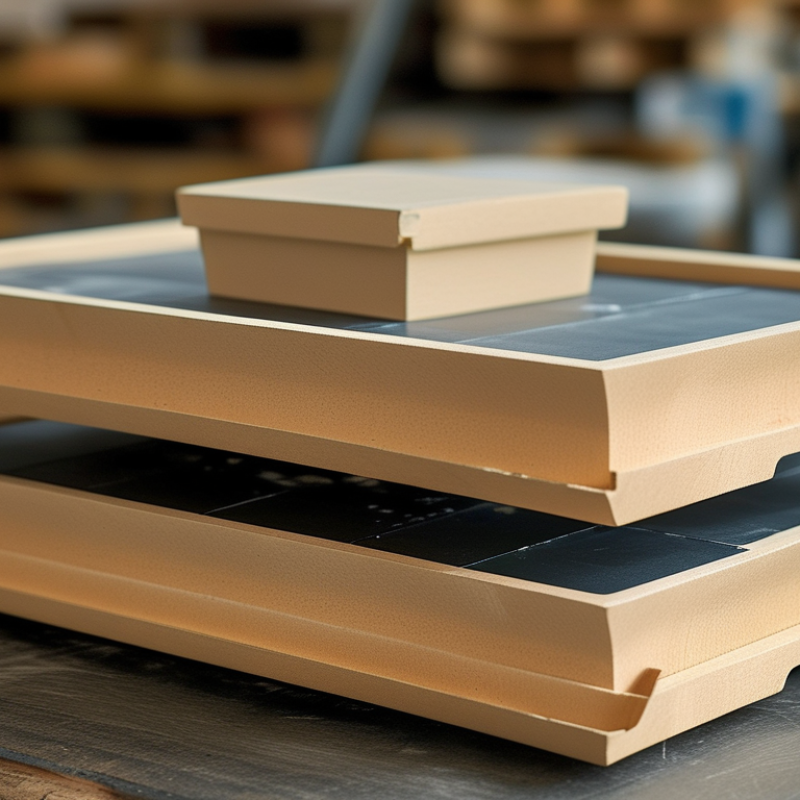
China’s thermoform packaging industry serves food, electronics, healthcare, and consumer goods markets. It is highly practical. Manufacturers heat plastic sheets and shape them over precision molds. Common materials include PET, PP, and recycled-content polymers. Each material affects clarity, stiffness, sealing, and temperature resistance. Experienced factories control sheet thickness, forming temperature, cooling time, and trimming accuracy. Small process changes can create visible defects.
Choosing a capable supplier requires more than comparing prices. Request production samples, dimensional drawings, material specifications, and test records. Check cavity consistency across repeated batches. Ask how the factory manages mold maintenance and color variation. Packaging for food or medical use also needs documented hygiene controls and market-specific compliance evidence. A reliable supplier should explain limitations clearly, not promise everything.
Factory audits can reveal storage conditions, machine age, inspection methods, and worker training. Traceability matters when a batch needs investigation. Sustainable options are improving, but recycled materials may vary in color or performance. That issue deserves honest discussion. A polished sample can still hide weak mass production. The industry is not flawless. Pilot orders, drop tests, sealing tests, and dimensional inspections reduce avoidable surprises. Supplier communication may also require patience, especially when technical terms are translated imperfectly.
A reliable supplier should prove performance, not merely quote a low price. Request samples with your actual product, cavity dimensions, wall thickness, and sealing method. Inspect corner thinning, sharp burrs, warpage, and stacking stability. A clear dimensional report should accompany every trial. It matters.
According to PlasticsEurope’s Plastics – the Fast Facts 2024, packaging represented about 39.5% of European plastics demand in 2022. This scale increases pressure for material efficiency and dependable production. Evaluate whether the supplier can reduce trim waste, control recycled content, and provide resin documentation. A practical audit should review ISO 9001 procedures, mold-maintenance records, lot traceability, and corrective-action history. Certificates alone are not enough.
Smithers’ market analysis on thermoformed plastics identifies food, medical, and consumer packaging as important growth applications. These sectors require stable forming temperatures, clean production areas, and repeatable sealing results. Ask for process capability data, not vague claims. For critical dimensions, a capable supplier should show measurements across multiple production runs. Also test cartons after vibration, compression, and temperature changes. My own evaluation would include a small pilot order before tooling approval. It may feel slower, but early samples often expose design weaknesses. Some suppliers still provide impressive prototypes while production consistency remains uncertain. That gap deserves careful questioning.
Supplier comparison should begin with production evidence, not attractive catalogs.
Grand View Research valued the global thermoformed plastics market at about USD 48.5 billion in 2023. Its forecast suggests continued growth through 2030, increasing pressure on capacity and consistency.
A capable Chinese supplier should show documented output, machine specifications, cavity counts, and realistic lead times. Ask for recent first-article inspection records. Also request samples from different production batches.
One perfect sample proves little.
Quality systems deserve closer inspection. ISO 9001 certification can indicate controlled processes, but it does not guarantee strong packaging performance.
For demanding applications, compare thickness tolerance, sealing strength, dimensional stability, and drop-test results. ASTM D4169 offers useful distribution-testing guidance, while food-contact projects require applicable local compliance documents and migration testing.
Smithers’ packaging industry analysis continues to identify lightweighting and material efficiency as major market drivers. Therefore, compare weight reductions against stiffness and protection, not price alone.
Production standards can look impressive during an audit. Look harder.
Check resin traceability, mold maintenance logs, in-line inspection, and corrective-action records. A supplier with automated trimming may reduce variation, yet manual checks still matter for warped edges and incomplete forming.
I would also test communication during a small pilot order. Delayed answers are operational data.
No supplier is flawless. The practical choice is the one that exposes weaknesses early, measures them honestly, and improves them with evidence.
A reliable thermoform packaging supplier should explain material choices clearly. PET offers strong visibility and good impact resistance for retail packs. PVC can provide stiffness, but its environmental acceptance varies by market. Recycled PET may support sustainability goals, although its color and forming performance can differ. For food, medical, or sensitive products, request material certificates and migration test records. Do not accept vague claims. Ask for samples from the actual production line.
Customization requires more than sending a drawing. The supplier should review wall thickness, draft angles, sealing areas, and stacking strength. A useful trial sample can reveal weak corners or uneven edges before tooling begins. Tooling costs, minimum order quantities, and packing charges should appear separately in the quotation. A low unit price may hide expensive molds, high scrap rates, or costly delivery terms. Check the complete landed cost instead.
Lead time should be divided into design approval, mold production, sampling, and mass production. Ask for dates, not promises. For example, a supplier might need seven days for design feedback and twelve days for tooling. Production may then require two to four weeks, depending on volume and material availability. Build extra time for revisions. This is easy to overlook. A supplier that reports delays early is often more dependable than one that stays silent. Still, even careful schedules can fail when specifications change or samples need another test.
What Is the Best China Thermoform Packaging Supplier?
How to Select the Best Supplier for Your Packaging Needs
Selecting a thermoform packaging supplier requires more than comparing prices. Start with your product dimensions, material requirements, order volume, and delivery schedule. A capable supplier should explain forming temperatures, wall thickness, tooling options, and expected tolerances clearly. Ask for recent samples. Inspect corners, edges, clarity, and stacking performance.
Request documented quality procedures and traceability records. Check whether incoming materials, forming, trimming, and final packing receive separate inspections. For regulated packaging, confirm suitable compliance documents before production begins. Do not accept vague claims. Ask who issued each certificate and when it expires. Details matter.
Communication also reveals operational reliability. Send a drawing with critical dimensions, then review the supplier’s questions. Careful questions often indicate stronger engineering control. Discuss mold ownership, revision approval, minimum order quantities, and replacement policies. Delivery promises should include realistic production time, not only shipping time. Ask for a pilot run before a large order. A polished factory presentation can still hide weak process control. I would also leave room for doubt; early samples may not represent long-term consistency. Review a second batch when possible. Small differences can become costly during automatic packing. Choose the supplier that provides evidence, responds precisely, and admits limitations before they affect your production.
How to Select the Best Supplier for Your Packaging Needs
This 100-point evaluation framework prioritizes product quality and regulatory compliance, followed by total landed cost, tooling and MOQ flexibility, delivery reliability, customization capability, and communication. Buyers can adjust the weighting according to their product requirements and target market.