2026 Top Stock Clamshells What You Need to Know?
Stock clamshells are gaining popularity in various industries. These versatile packaging solutions provide protection and visibility for products. In 2026, understanding stock clamshells is crucial for businesses.
Many companies rely on stock clamshells for their packaging needs. They come in different shapes and sizes, catering to various products. Businesses must choose the right clamshell to enhance their brand and appeal to customers. However, not every stock clamshell is perfect for every product. It requires thoughtful consideration.
The market for stock clamshells is evolving. New designs and materials emerge regularly. Companies need to stay updated on trends and innovations. This knowledge can lead to better marketing strategies. Yet, it's essential to reflect on the environmental impact of plastic clamshells. Balancing functionality with sustainability remains a challenge.
Overview of Clamshell Stocks: Definition and Importance
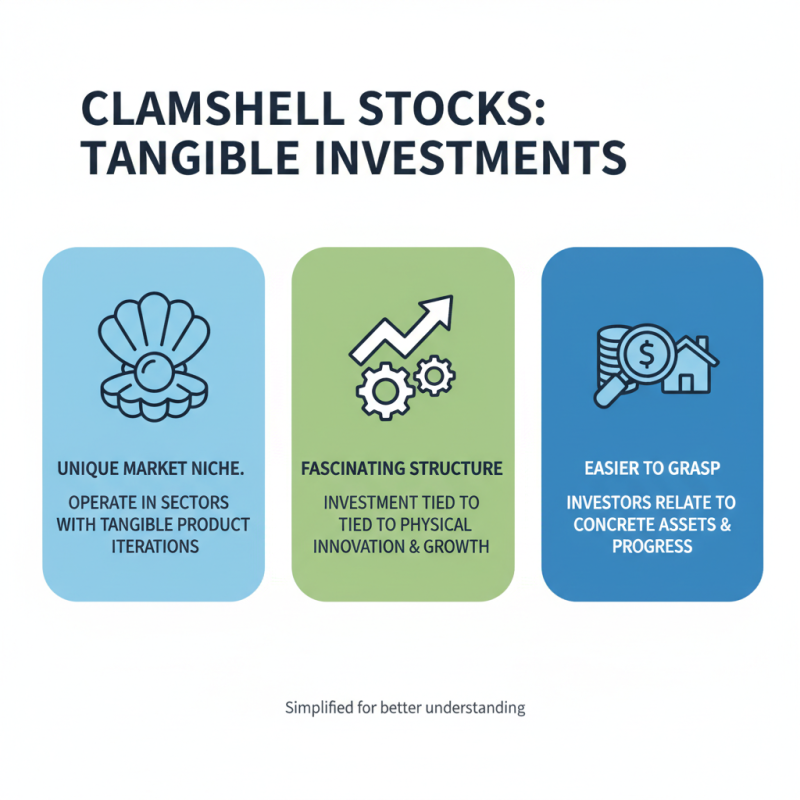
Clamshell stocks represent a unique niche in the stock market. These are companies that typically operate in sectors allowing for tangible product iterations in their investment offerings. Their structure can be quite fascinating. Investors may find themselves drawn to the tangible nature of these stocks, where the connections can be easier to understand.
Understanding clamshell stocks' importance is crucial. They often provide insights into product lines that have real-world applications. This creates a direct link between consumer demand and stock performance. Additionally, they appeal to investors looking for stability in uncertain times. Yet, not all clamshell stocks will perform as expected. Some may falter, and it requires vigilance to track their potential.
**Tip:** Research recent trends in the clamshell market. Recognize patterns that previously influenced stock movements.
Investors should remain cautious while exploring these stocks. While some may seem promising, others could underperform. Don't be swayed by flashy presentations or enticing projections. Look for fundamental performance indicators instead.
**Tip:** Always consider market volatility when investing in niche stocks. Assess how external factors may impact their growth trajectory.
Key Players in the Clamshell Market for 2026
The clamshell market is evolving rapidly for 2026. Key players are reshaping the landscape with innovative designs. Many companies focus on sustainability. They aim to reduce plastic usage significantly. This shift is crucial as consumers demand eco-friendly options.
Manufacturers are exploring new materials. Biodegradable options are gaining traction. However, the transition is challenging. Not all players have the resources to adapt. Some struggle with supply chain issues, causing delays.
Emerging competitors are also making their mark. Start-ups are introducing fresh ideas. Yet, they often lack experience compared to established companies. These gaps create opportunities for partnerships. Collaboration could lead to breakthroughs. The market is pulsing with potential and underlying uncertainty.
Factors Influencing Clamshell Stock Prices in 2026
Stock prices of clamshells will be influenced by various factors in 2026. As the demand for eco-friendly packaging surges, manufacturers are innovating. Reports indicate that the sustainable packaging market is projected to grow by 7.7% annually. This trend could propel clamshell stock prices higher.
Another key factor is raw material costs. Prices for petroleum-based products, often used in clamshell production, fluctuate. In 2025, the average price of these materials rose by nearly 20%. If this continues, it will impact profit margins significantly.
Moreover, regulatory changes can add uncertainty. New environmental regulations are on the horizon. Compliance costs may eat into earnings. Investors will need to consider these risks. The landscape is dynamic, and unforeseen developments can shift trends rapidly.
Investment Strategies for Clamshell Stocks in 2026
In 2026, the clamshell stock market is expected to experience significant shifts. Investors must adapt to new analytics and trends. According to recent reports, clamshell stocks are projected to grow by 15% by the end of the year. This growth stems from increased demand in sustainability practices and eco-friendly packaging solutions.
Many investors overlook critical metrics. The growth potential lies not just in sales volume but also in customer sentiment. A survey revealed that 70% of consumers prefer sustainable products. This shift indicates that companies focusing on eco-friendly practices could see higher market penetration. Keep an eye on emerging trends and diversification strategies.
However, caution is warranted. Past performance does not guarantee future results. Many stocks have fluctuated due to market volatility. When investing in clamshell stocks, consider the broader economic landscape. Remaining flexible and informed is essential. Balancing risk with potential rewards can lead to smarter investment decisions.
2026 Top Stock Clamshells: What You Need to Know? - Investment Strategies for Clamshell Stocks in 2026
| Sector |
Projected Growth (%) |
Market Trend |
Investment Risk Level |
Investment Strategy |
| Technology |
15% |
Bullish |
Medium |
Diversification |
| Healthcare |
10% |
Stable |
Low |
Hold for long-term |
| Consumer Goods |
8% |
Bearish |
High |
Short Selling |
| Energy |
12% |
Volatile |
Medium |
Value Investing |
| Real Estate |
6% |
Flat |
Low |
Long-term Hold |
Risks and Challenges Associated with Clamshell Investments in 2026
Investing in clamshell stocks may seem alluring in 2026. However, it's vital to recognize the risks. The market can fluctuate. Past performance doesn't guarantee future returns. Investors might find themselves facing unexpected challenges. Economic shifts and regulatory changes could impact profitability. This is not the time for complacency.
Tip: Conduct thorough research before investing. Know the fundamentals of clamshell products. Examine market trends closely. It's also smart to diversify your portfolio. Relying on one investment can be risky.
The allure of quick gains can cloud judgment. Many overlook the potential drawdowns. It's essential to remain grounded. Pay attention to the industry landscape. New competitors can disrupt established players. Keep a watchful eye on emerging trends. Stay informed to navigate these challenges.
Tip: Set clear investment goals. Define your risk tolerance. Revisit these goals regularly. Adapt your strategy as needed. Don't let emotions drive your decisions.
2026 Top Stock Clamshells: Risks and Challenges