Best Blister Machine for Efficient Packaging Solutions?
In today's fast-paced manufacturing landscape, efficient packaging solutions are vital. The blister machine stands out as a pivotal tool in this sector. According to a recent report by ResearchAndMarkets, the global blister packaging market is projected to reach $5.1 billion by 2027, indicating a robust demand for efficient packaging machinery. Expert David Penn, a leading voice in packaging technology, stated, “Investing in the right blister machine can significantly enhance productivity and reduce waste.”
The versatility of a blister machine allows it to cater to various industries, from pharmaceuticals to consumer goods. Each sector requires precision and speed, making the choice of machinery crucial. For instance, in the pharmaceutical industry, compliance with regulatory standards is non-negotiable. Thus, selecting a high-quality blister machine not only ensures safety but also enhances shelf appeal.
However, challenges remain. Many manufacturers face difficulties in integrating new machinery into existing lines. This transitional phase can lead to downtime and inefficiencies. As businesses strive for better solutions, careful evaluation of blister machines is essential. The right choice can lead to remarkable advantages, but hasty decisions could result in costly setbacks.
What is a Blister Machine and Its Purpose in Packaging?
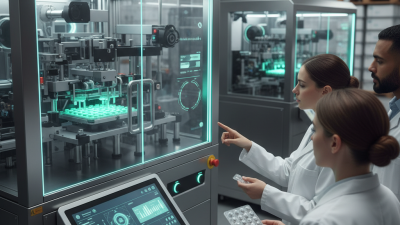
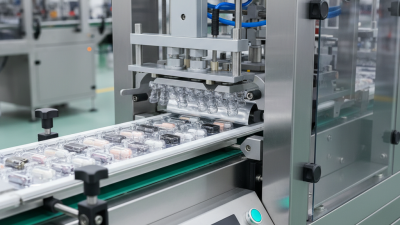
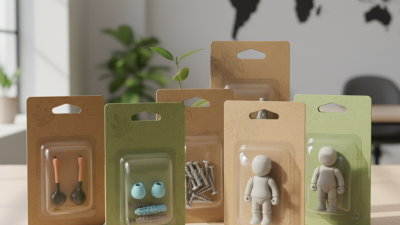
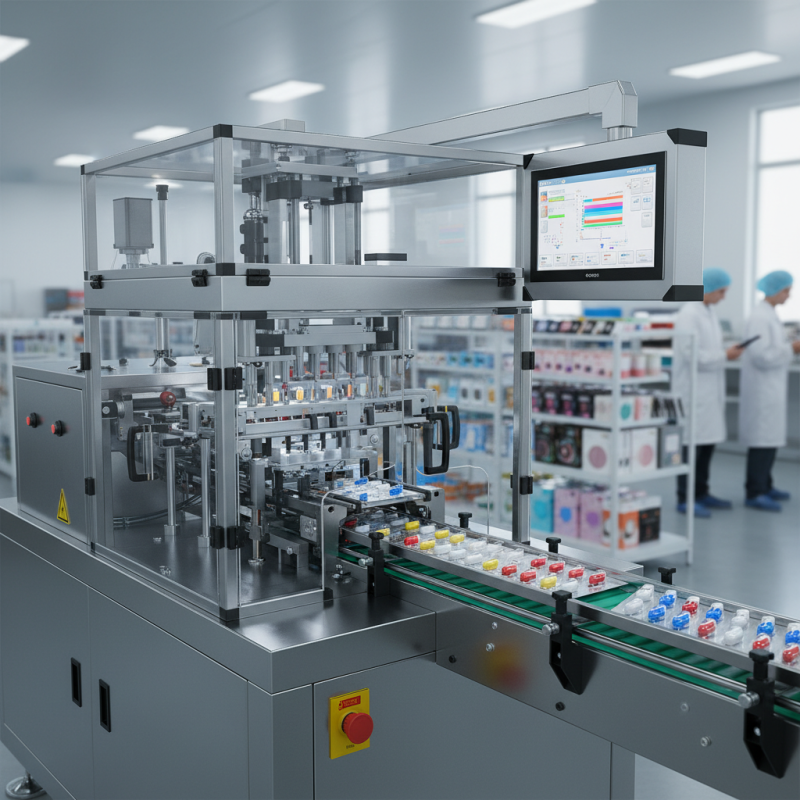
A blister machine is a vital tool in modern packaging. It creates sealed packaging that protects products from damage. By forming a plastic bubble around items, it provides a clear view for consumers. The design is user-friendly, but some machines may be complex to operate effectively. A learning curve can exist, requiring time to master.
In the packaging industry, these machines enhance efficiency. Companies can produce large batches quickly. However, inconsistent heat or pressure can lead to defects like incomplete seals. Such issues can compromise the integrity of the package. Regular maintenance is crucial to minimize these risks.
Blister machines are used for various products. They are common in pharmaceuticals, electronics, and food items. While they offer reliability, it is essential to evaluate specific needs. Not all machines fit every requirement. Reflecting on these factors can lead to better investment decisions.
Best Blister Machine for Efficient Packaging Solutions
This chart displays the efficiency ratings of various blister machines, highlighting their performance in packaging solutions. The ratings are on a scale of 1 to 10, reflecting user feedback on each machine's overall effectiveness.
Types of Blister Machines Used in Various Industries
Blister machines play a crucial role in various industries by providing efficient and reliable packaging solutions.
In the pharmaceutical sector, these machines are extensively used to package tablets and capsules.
The blister packs protect the products from moisture and contamination, ensuring their safety and longevity.
Many pharmaceutical companies prefer this method due to its ability to enhance shelf life.
However, some manufacturers find it challenging to balance speed and quality in production.
In the food and electronics industries, blister machines show versatility.
For food packaging, they help in preserving freshness and providing visibility.
They keep products safe while appealing to consumers.
In electronics, these machines help package small parts securely.
But, inconsistent sealing can sometimes lead to product damage or customer dissatisfaction.
Despite the benefits, industries must continuously assess their equipment and processes,
focusing on efficiency and quality control to avoid potential issues.
Key Features to Consider When Choosing a Blister Machine
When selecting a blister machine, key features can significantly enhance efficiency and reliability. Look for machines with high-speed production capabilities, as industry reports indicate a 20% increase in output with optimized equipment. An adjustable temperature and pressure control system helps ensure proper sealing, crucial for maintaining product integrity. Moreover, devices that accommodate different materials provide versatility, catering to various packaging needs.
Consider maintenance and ease of use. Machines that require minimal downtime typically offer a return on investment within three years, according to market analysis. Intuitive interfaces streamline operation, reducing training time for staff. Not all machines are intuitive, however. Some may require extensive technical knowledge. This inconsistency can lead to operational delays.
Tips: Assess potential machines through a trial phase. Understanding the learning curve is vital. Regularly review production data to identify inefficiencies. It's essential to reflect on how feature enhancements can align with your evolving packaging demands, ensuring sustained efficacy in production quality.
Best Blister Machine for Efficient Packaging Solutions
| Feature |
Description |
Importance |
| Automation Level |
Degree of automation from manual to fully automated. |
High |
| Production Speed |
How many units can be produced per minute. |
High |
| Material Compatibility |
Types of materials that the machine can handle. |
Medium |
| Ease of Use |
User-friendliness and simplicity of operations. |
High |
| Maintenance Requirements |
Frequency and complexity of maintenance tasks. |
Medium |
| Customization Options |
Ability to customize settings and formats. |
High |
| Safety Features |
Included safety features to protect operators. |
High |
| Energy Efficiency |
Energy consumption rates and efficiency ratings. |
Medium |
| Cost |
Initial investment cost and long-term ROI. |
High |
Advantages of Using Blister Machines for Efficient Packaging
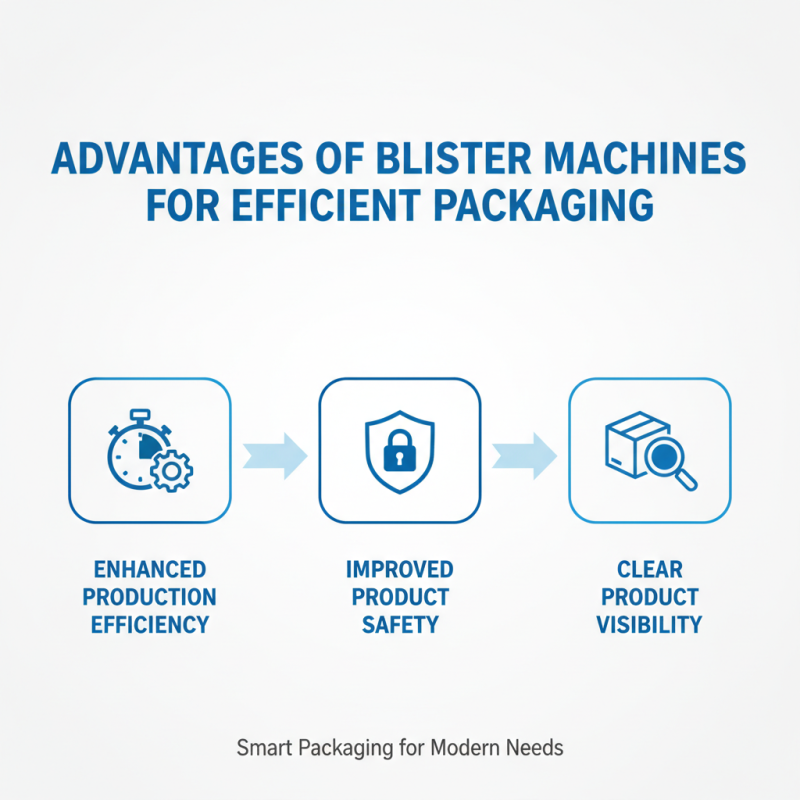
Blister machines are becoming essential in the packaging industry. They offer numerous advantages, enhancing production efficiency and product safety. For example, these machines provide a clear view of the product through their transparent packaging, making it easy for consumers to identify items.
Using blister machines can streamline manufacturing processes. They often require minimal manual input, which reduces labor costs. The precision of these machines allows for consistent packaging, ensuring that products are well-protected during transit. However, this technology isn’t without flaws. Some users report occasional misalignment, affecting the final output.
Speed is another crucial factor. Blister machines can process a high volume of products quickly. This helps meet retail demands and reduces delays. Still, there is always room for improvement. Regular maintenance is essential to avoid breakdowns and ensure longevity. Addressing these minor issues can lead to a more reliable packaging solution in the long run.