2026 Best Clear Clamshell Packaging for Global Buyers?
Choosing the best clear clamshell packaging in 2026 requires more than comparing photographs or quoted prices. Global buyers need dependable protection, practical design, and verified supplier performance. A package may look crystal clear online, yet arrive with cloudy plastic or weak hinges. Small details matter.
This guide examines material options, wall thickness, closure strength, product visibility, and shipping efficiency. It also considers recycled content, recyclability, labeling, and regional packaging requirements. These factors can influence compliance, customer trust, and total landed cost. A well-designed clamshell should hold the product firmly without making opening unnecessarily difficult. It should also protect against dust, moisture, scratches, and handling pressure during international transport.
Real purchasing decisions are rarely perfect.
A supplier’s sample may perform well, while mass production reveals uneven edges or inconsistent dimensions. Buyers should request samples, review technical data, and test packages under realistic conditions. Drop tests, stacking trials, temperature exposure, and repeated opening checks can reveal weaknesses before a large order is placed. Factory audits and clear quality agreements add further confidence, especially for cross-border sourcing.
Cost still matters, but the lowest quotation may hide higher freight, damage, or inspection expenses. I have found that simple specifications often prevent expensive misunderstandings. However, sustainability claims deserve careful review. “Eco-friendly” is not a complete technical explanation. Buyers should ask about resin type, recycled content, local recycling systems, and supporting documentation.
The sections ahead compare leading options for different products and markets. They highlight practical strengths, common compromises, and questions buyers should ask before approving production. Some recommendations may need revision as regulations, materials, and customer expectations change. That is the honest limitation.
What Is Clear Clamshell Packaging and How Does It Work?
What Is Clear Clamshell Packaging and How Does It Work?
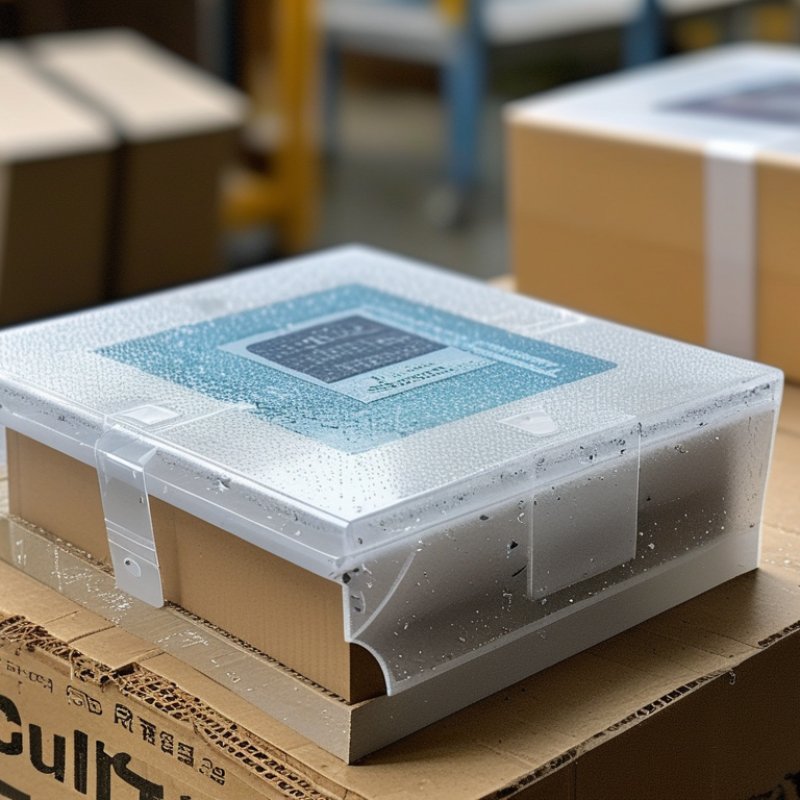
Clear clamshell packaging is a transparent, rigid container formed from plastic sheets. It usually has two connected halves: a shaped cavity and a matching cover. The product sits inside the cavity, while the cover protects it from dust, impact, and handling. Thermoforming creates both parts with heat and pressure. A hinge, snap fit, or heat seal then keeps the package closed.
Its transparency helps buyers inspect color, size, and surface condition without opening the pack. Retail teams can also scan printed barcodes through the front. In practical testing, closure strength matters as much as appearance. A weak hinge can crack during shipping. An overly tight seal can slow packing and frustrate users. The fit is not always perfect.
Material selection needs evidence. PET and recycled PET are common because they offer clarity and stiffness. Some suppliers still use PVC, but its recycling pathway can be less convenient in many regions. The OECD’s 2022 Global Plastics Outlook reported that only 9% of plastic waste was recycled globally in 2019. That figure deserves attention. Packaging should use the minimum practical material and avoid unnecessary layers.
Smithers’ 2023 packaging outlook placed the global packaging market above US$1 trillion, showing the scale of this purchasing decision. For global buyers, specifications should include wall thickness, closure testing, recycled content, carton protection, and destination recycling guidance. A clear pack looks simple. Its engineering is not.
Which Materials and Designs Define the Best Clamshell Packaging?
The best clear clamshell packaging balances visibility, protection, and recovery after use. PET remains a practical choice because it offers strong clarity, stiffness, and reliable thermoforming. Recycled PET can lower virgin plastic demand, but its quality varies. Haze, uneven color, and brittleness may appear. That matters on a retail shelf.
Material selection should follow local recycling systems, not marketing claims. The OECD’s Global Plastics Outlook reports 353 million tonnes of plastic waste generated in 2019, with packaging representing about 40%. This makes unnecessary layers difficult to defend. A mono-material PET clamshell, with minimal labels and compatible adhesives, is often easier to sort than a mixed plastic structure. However, local facilities may still reject it. That weakness needs honest testing.
Design details define real performance. Rounded corners reduce cracking during transport. A consistent hinge supports repeated opening without sudden failure. Small ventilation holes can protect fresh products, but they may reduce tamper resistance. Tool-free opening improves user experience. It can also weaken package security. The U.S. EPA reported that only about 14.6% of plastic containers and packaging were recycled in 2018, showing why convenience alone is insufficient. Practical trials should measure drop resistance, seal strength, stacking pressure, and sorting outcomes. The perfect clamshell does not exist yet. Good packaging leaves fewer problems behind.
How to Compare Protection, Visibility, and Product Presentation
Clear clamshell packaging helps global buyers inspect products without opening the package. Visibility matters when color, shape, and surface condition influence purchase decisions. However, clear plastic alone does not prove good protection. Check hinge strength, closure security, wall thickness, and resistance to crushing during pallet transport.
The International Safe Transit Association recommends testing packages through vibration, shock, compression, and atmospheric conditioning. These tests reveal weaknesses that a showroom inspection may miss. A reliable clamshell should hold its shape after repeated handling. It should also keep small parts from shifting inside. This detail is often overlooked. A loose product can scratch the display surface before reaching the retailer.
Presentation requires balance. Large transparent panels improve visibility, while excessive material can increase waste and shipping weight. The OECD Global Plastics Outlook reported that global plastic waste reached 353 million tonnes in 2019, more than double the 2000 level. That figure makes material efficiency difficult to ignore. Use only the plastic needed for protection, stacking, and tamper evidence. Consider recyclable structures where local systems can process them. Availability differs widely.
A practical comparison should score protection, visibility, shelf appearance, opening experience, and end-of-life handling. Packaging that looks perfect may still fail drop testing. Packaging that survives transport may appear bulky or cheap. Buyers should request samples, inspect seams, and test actual products under humid conditions. Perfection is unlikely. Better decisions come from measured trade-offs and documented testing.
What Global Buyers Should Know About Compliance and Customization
In 2026, clear clamshell packaging must do more than display products. It must fit changing compliance requirements across target markets. Global buyers should request material specifications, supplier declarations, and recent test reports. These documents should cover composition, additives, food-contact suitability, and recycling information when applicable. Requirements can differ by country, product type, and intended use. Never rely on one general certificate.
Ask for traceable production records. Good suppliers can explain resin selection, thickness tolerance, sealing performance, and quality checks. A clear package may look simple, but weak hinges can break during transport. Sharp edges can also create handling concerns. Request pre-production samples and test them under compression, vibration, temperature changes, and repeated opening. Real shipping conditions often expose design weaknesses.
Customization should support protection, visibility, and efficient packing. Buyers can adjust cavity depth, hanger holes, locking features, and printed inserts. However, a larger cavity may increase material use and freight costs. That trade-off deserves review. Color matching and recycled-content claims also need evidence, not assumptions. Small design changes may affect recycling compatibility, tooling cost, or minimum order quantities. It is easy to approve an attractive sample too quickly. A practical specification should include drawings, tolerances, labeling rules, inspection standards, and approved materials. Then confirm every detail before mass production.
2026 Best Clear Clamshell Packaging for Global Buyers: EU 2025 Recycling Targets
Material-specific recycling targets can help global buyers evaluate clear clamshell materials, recycled-content strategies, labeling, and end-of-life compatibility.
For packaging placed on the EU market, the 2025 targets are 50% for plastic, 25% for wood, 70% for ferrous metals, 50% for aluminium, 70% for glass, and 75% for paper and cardboard. These are packaging-waste recycling benchmarks, not a standalone compliance certificate for an individual clamshell.
Source: European Commission, Directive 94/62/EC on packaging and packaging waste.
How to Select Reliable Suppliers and Manage International Orders
For global buyers, clear clamshell packaging must balance visibility, protection, and shipping efficiency. Smithers’ report, The Future of Global Packaging to 2028, forecasts worldwide packaging demand will exceed US$1.2 trillion by 2028. That growth increases supplier choices, but also increases quality risks. Choose suppliers that provide resin specifications, dimensional drawings, and recent production samples. Check hinge strength, closure security, wall thickness, and product fit under real warehouse conditions. A sample that looks excellent may fail after vibration, stacking, or temperature changes.
Reliable international orders need written controls. Confirm annual capacity, minimum order quantity, tooling ownership, lead time, and replacement terms. Request an inspection report for every production batch. Use a pre-shipment sample, carton photos, and measured dimensions. Packaging Machinery Manufacturers Institute research continues to show that automation and operational efficiency strongly influence packaging decisions. Therefore, ask whether the supplier can maintain stable output, not only offer a low unit price. Incoterms, payment stages, freight responsibility, and packaging taxes should be documented. Small wording gaps can become expensive.
Tips: Start with a pilot order. Test ten cartons. Record scratches, warped lids, and crushed corners. Ask for recycled-content data when relevant, and verify claims through independent documents. Review destination-market packaging requirements with a qualified compliance specialist. I would not trust a perfect quotation alone. It may hide weak tooling, unclear freight costs, or unrealistic delivery promises. A slower supplier with transparent records can be safer than the cheapest option.