(208) 739-9142Monday – Friday 8 AM – 4:30 PM (MST)

What Is a Blister Sealing Machine and How Does It Work?

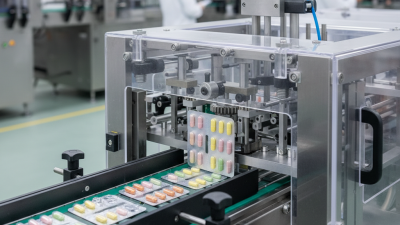
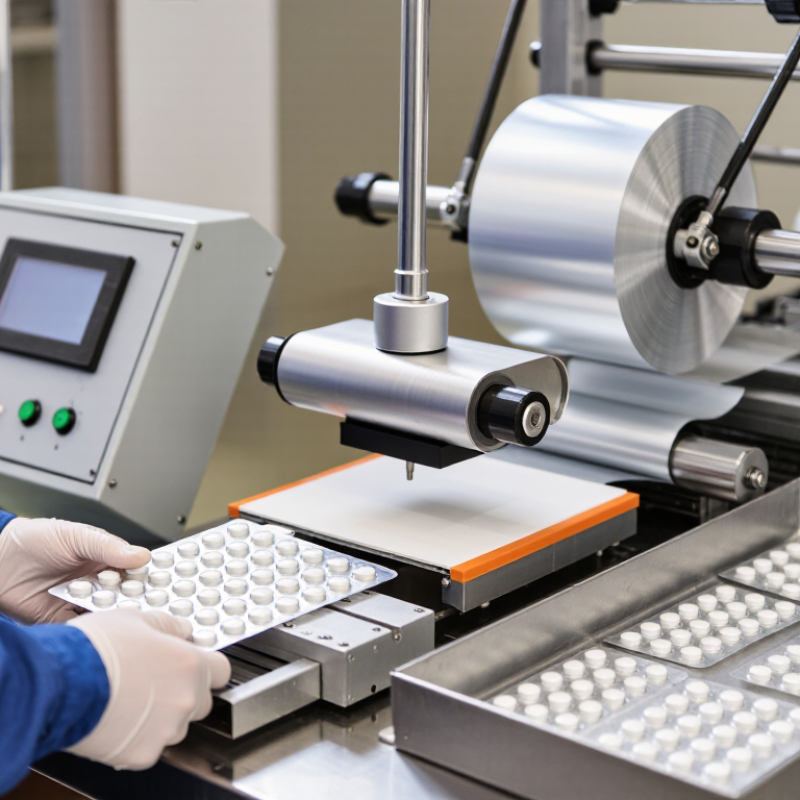
A blister sealing machine is industrial equipment that closes a formed plastic blister against a backing material. It creates a clean, protective package for products such as tablets, medical devices, electronics, and small hardware. The machine applies controlled heat, pressure, and sealing time. These settings bond the blister film to coated paper, foil, or another compatible layer.

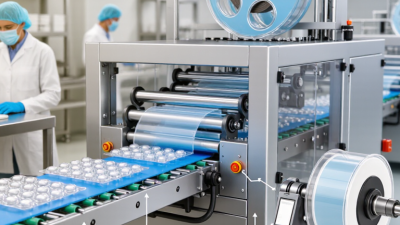
The process begins when operators position the filled blister and lidding material in a sealing station. A heated plate or sealing tool then presses the layers together. After cooling, the package should show an even seal around every cavity. No gaps. No burnt edges. No loose corners.

In practical production, correct settings depend on material thickness, coating type, product shape, and machine design. A skilled operator checks temperature readings, pressure consistency, seal appearance, and package integrity. Samples may undergo peel tests, visual inspection, or leak testing, depending on the application. These checks support reliable quality control rather than relying on appearance alone.

In practice, the first setting is rarely perfect. Excessive heat can distort plastic or damage sensitive products. Insufficient heat may create weak seals that open during transport. For this reason, manufacturers should follow validated procedures and equipment instructions. They should also document adjustments and maintenance activity. Small details matter here.

This guide explains what a blister sealing machine does and how its main components work together. It also considers operating factors, common sealing problems, and practical inspection methods. Understanding the process helps buyers, technicians, and production teams choose safer settings and make better packaging decisions.
What Is a Blister Sealing Machine and How Does It Work?

Blister Sealing Machines: Definition, Types, and ISO 15378 Compliance

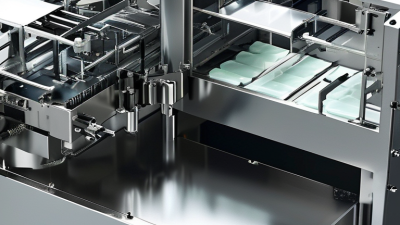
A blister sealing machine joins a preformed cavity web with a lidding foil. Heat, pressure, and controlled dwell time create the seal. The machine usually includes web feeding, product placement, sealing, coding, and cutting stations. Rotary systems suit high-volume production. Plate-seal systems offer flexible formats and easier changeovers. Cold-forming lines protect light-sensitive products better, while thermoforming lines provide faster cavity formation.

The packaging market is expanding. Fortune Business Insights estimated the global blister packaging market at about USD 27.4 billion in 2023, with continued growth through 2032. This trend increases demand for stable sealing performance, especially in pharmaceutical packaging. Seal temperature, pressure, and time require documented control. Small deviations can cause leaks, weak seals, or damaged foil. Not every machine is automatically ISO compliant.

ISO 15378 focuses on quality management for manufacturers of primary packaging materials. It integrates ISO 9001 principles with pharmaceutical risk controls, traceability, hygiene, and change management. A compliant operation should qualify equipment, verify sealing parameters, and retain batch records. Packaging professionals often use peel tests, dye penetration tests, and visual inspections. These checks provide useful evidence, but they do not replace process validation. A practical weakness remains: operators may record settings without proving their long-term stability. Routine calibration and documented corrective actions are therefore essential. Controls matter.

How Forming, Filling, and Sealing Stations Work in Sequence

What Is a Blister Sealing Machine and How Does It Work?

A blister sealing machine protects products inside formed cavities and sealed lidding material. Its stations work in a strict sequence. At the forming station, a heated web softens before pressure or vacuum shapes each pocket. The cavity must cool enough to hold its profile. If heating is uneven, the pocket may look shallow or distorted. This small defect can affect filling accuracy later.

The filling station follows immediately. Operators or feeding systems place each product into the formed cavities. Sensors check presence, position, and sometimes orientation. The sealing station then brings the lidding web over the pockets. Controlled heat, pressure, and dwell time bond both layers around every cavity. Too little heat may create weak seals. Too much heat can wrinkle the film or damage heat-sensitive contents. In real production, timing is rarely perfect. Material tension changes, and minor alignment errors can appear during long runs.

Tips: Keep forming temperature stable and inspect cavities under consistent lighting. Check seal width with samples, not only by appearance. Clean contact surfaces regularly. Record pressure, temperature, and line speed together; one reading alone can mislead. A practical technician also watches unusual sounds and web movement. Machines often reveal problems before inspection equipment does.

Heat-Sealing Parameters: 120–180°C, Pressure, and Dwell Time

A blister sealing machine bonds a formed plastic cavity to a lidding foil. It uses a heated platen, controlled pressure, and timed contact. Not heat alone. The platen usually operates between 120°C and 180°C, depending on the plastic and sealant layer. Lower temperatures may cause incomplete bonding. Excessive heat can distort cavities or damage sensitive products.

Grand View Research valued the global blister packaging market at about USD 27.2 billion in 2023. PMMI reported approximately USD 10.2 billion in U.S. packaging machinery shipments during 2023. These figures show strong demand, but they do not define one universal sealing recipe. Pressure is often set around 0.2–0.6 MPa, with 0.5–2.0 seconds of dwell time. These are trial points, not guarantees. Material thickness, coating, and machine alignment can change results.

A calibrated thermocouple should verify actual platen temperature. Small changes matter. Operators should inspect peel strength, wrinkles, channels, and unsealed edges. ASTM F88 testing can measure seal strength, while ASTM F2029 helps evaluate heat-sealing conditions. A perfect-looking seal may still fail after cooling. It can mislead. Excessive pressure may hide poor temperature control, while longer dwell time can increase production losses. The best setting comes from controlled trials, documented results, and periodic rechecking. Even experienced teams should question old settings when materials or tooling change.

What Is a Blister Sealing Machine and How Does It Work?

A blister sealing machine bonds a formed plastic blister to a coated paperboard or foil backing by applying controlled heat, pressure, and dwell time. The chart shows a practical qualification matrix across the 120–180°C heat-sealing range.

How to read the chart: Temperature is shown on the horizontal axis, while sealing pressure and dwell time use separate vertical scales. The values represent realistic trial settings for process development; the final combination must be validated against the specific blister and lidding materials.

Production Performance: 20–60 Cycles per Minute and Its Key Variables

What Is a Blister Sealing Machine and How Does It Work?

A blister sealing machine forms pockets, places products, and bonds a lidding film to the blister web. In production, performance commonly ranges from 20 to 60 cycles per minute. One cycle may produce several cavities, so cycle speed is not the same as finished packs per minute. That distinction is easy to miss.

PMMI’s 2024 State of the Industry report placed North American packaging machinery shipments above 10 billion dollars in 2023. The report also highlights automation, labor efficiency, and flexible formats as major investment drivers. These pressures explain why manufacturers measure more than headline speed. Heating temperature, sealing pressure, dwell time, indexing accuracy, and cooling stability all affect output. A poorly adjusted feeder can waste the gains from a faster sealing station.

Material choice matters too. PVC, aluminum, and barrier films respond differently to heat and pressure. Cavity count, product geometry, and changeover time further shape real production results. A machine rated at 60 cycles per minute may deliver less during routine operation. Short stops, rejected blisters, and manual loading can reduce effective output. That is the uncomfortable part.

In practice, operators should record good packs per hour, not only the displayed cycle rate. The International Society for Pharmaceutical Engineering emphasizes process control, documentation, and equipment qualification in regulated manufacturing environments. Those principles support reliable blister production, although they cannot correct weak maintenance or poor tooling. A practical trial with the actual product remains more convincing than a brochure figure.

What Is a Blister Sealing Machine and How Does It Work? - Production Performance: 20–60 Cycles per Minute and Its Key Variables
Data Dimension Typical Value or Range What It Means Main Variables Affecting Performance Operational Consideration
Machine Function Heat-sealing a formed blister to a printed card or lidding material The machine applies controlled heat and pressure to create a continuous seal around the product cavity. Sealant coating, material compatibility, temperature, pressure, and dwell time Both the blister flange and the backing material must be clean, flat, and compatible with the sealing process.
Typical Production Speed 20–60 cycles per minute One cycle generally represents one press, seal, and release operation. Product size, number of cavities, indexing method, seal dwell, loading time, and changeover frequency Actual output may be lower than the rated speed because of loading, inspection, material feeding, and brief stoppages.
Estimated Output per Hour 1,200–3,600 cycles per hour before downtime This is calculated from 20–60 cycles per minute multiplied by 60 minutes. Machine availability, operator efficiency, rejected packs, jams, and planned maintenance Sellable output should be calculated using actual uptime and the number of packs produced per cycle.
Production Capacity per Cycle 1–several blister packs per cycle Multi-cavity tooling can seal multiple packs during one press operation. Tool layout, product dimensions, web width, press force, and required edge clearance Increasing cavities can improve output but may increase tooling cost and setup complexity.
Sealing Temperature Commonly about 120–200°C, depending on materials The heated tool softens or activates the sealant layer so it bonds to the backing material. Sealant chemistry, coating thickness, material type, machine speed, and heat transfer The correct setting must be established through seal-strength and appearance testing rather than temperature alone.
Temperature Stability Typically controlled within approximately ±2–5°C after stabilization Stable temperature helps produce consistent seals across the tool surface. Heater capacity, sensor location, controller tuning, ambient conditions, and tool mass Uneven temperature can cause weak seals, material distortion, discoloration, or sticking.
Sealing Pressure Often approximately 0.2–0.6 MPa for pneumatic systems Pressure brings the blister flange and backing material into intimate contact during heating. Sealing area, material stiffness, pneumatic supply, tooling flatness, and pressure distribution Excessive pressure can crush the blister or squeeze out sealant; insufficient pressure can create channels or weak areas.
Seal Dwell Time Approximately 0.3–2.0 seconds per press Dwell is the time the heated tool remains in contact with the package under pressure. Material combination, temperature, pressure, coating, package size, and required seal strength Longer dwell may improve bonding but can reduce cycles per minute and increase thermal distortion.
Indexing and Transfer Time Approximately 0.3–1.5 seconds per cycle on many automated systems This is the time used to position the blister and backing material before sealing. Servo or pneumatic motion, sensor response, web alignment, conveyor speed, and product handling Fast sealing cannot increase throughput if feeding and indexing remain the bottleneck.
Common Blister Materials PVC, PET, PETG, PP, and other thermoformed plastic structures Material selection affects forming behavior, transparency, stiffness, and sealing compatibility. Plastic grade, thickness, coating, cavity geometry, and forming temperature The plastic must be matched with a backing material and sealant layer designed for the intended process.
Common Backing Materials Printed paperboard, coated foil, aluminum foil, or laminated structures The backing provides product information, support, barrier protection, or a peelable seal. Coating type, board thickness, foil structure, moisture sensitivity, and surface cleanliness Printed surfaces and coatings should withstand the selected sealing temperature without transferring ink or coating.
Seal Width Commonly about 2–6 mm around the blister perimeter A continuous seal width provides the bonding area needed to retain the product and protect the package. Tool design, product size, flange width, material tolerances, and required seal strength The seal should be continuous and free from wrinkles, contamination, pinholes, and unbonded sections.
Seal Strength Application-specific; commonly verified by peel, burst, or destructive tests Seal strength confirms that the package remains closed during handling and distribution. Material combination, temperature, pressure, dwell, seal area, and contamination A target value should be defined in the packaging specification instead of relying only on visual inspection.
Registration Accuracy Often approximately ±0.5–1.5 mm, depending on equipment and material Registration controls the alignment of the blister, printed graphics, cut line, and sealing tool. Mark sensor accuracy, web tension, tooling precision, material stretch, and feed repeatability Accurate registration reduces off-center seals, incomplete flanges, and poor presentation.
Heating Method Heated platen, heated roller, or impulse-style sealing system The heating method determines how thermal energy reaches the seal interface. Contact area, heat-up time, thermal mass, speed, and package geometry Platen systems are common for indexed blister sealing because they provide uniform contact over a defined area.
Cooling Requirement Natural cooling or brief controlled cooling before release Cooling allows the softened sealant to stabilize before the package leaves the tool. Sealant type, material thickness, machine speed, ambient temperature, and tooling temperature Insufficient cooling can cause seal creep, distortion, sticking, or loss of package alignment.
Most Common Quality Defects Weak seal, incomplete seal, wrinkles, blister deformation, contamination, and misregistration Defects indicate that one or more process conditions are outside the required operating window. Temperature, pressure, dwell, material cleanliness, tool wear, feed alignment, and product placement Defect analysis should compare machine settings with seal appearance and measured seal strength.
Changeover Time Approximately 15–60 minutes for many format changes Changeover includes replacing tooling, adjusting guides, setting feeds, and validating the first packs. Tool design, quick-change features, operator experience, product variety, and setup documentation Shorter changeovers improve effective capacity when many package formats are produced in small batches.
Compressed-Air Requirement Commonly about 0.5–0.7 MPa regulated supply for pneumatic functions Compressed air may operate the sealing press, clamps, cutters, or product handling devices. Actuator size, cycle rate, leak condition, pressure stability, and machine configuration Air should be clean and dry; pressure fluctuations can affect sealing force and repeatability.
Key Productivity Formula Output per hour = cycles per minute × packs per cycle × 60 × uptime The formula converts machine speed into a more realistic production estimate. Rated speed, cavity count, uptime, scrap rate, and planned operating hours For example, 40 cycles/min × 2 packs/cycle × 60 × 0.85 uptime equals approximately 4,080 packs/hour.
Recommended Process Verification Visual inspection, dimensional checks, seal-strength testing, and periodic sample retention Verification confirms that the package meets functional and presentation requirements. Product risk, regulatory requirements, material specifications, and customer acceptance criteria Record temperature, pressure, dwell time, material lot, tooling condition, and inspection results for traceability.
Note: The values shown are typical industry ranges for general blister sealing applications. Actual settings and production rates must be validated for the specific package design, sealing materials, tooling, and quality requirements.

Seal Inspection, Peel Testing, and ASTM F88 Quality Verification

A blister sealing machine joins a lidding film to a formed cavity using controlled heat, pressure, and dwell time. The seal must resist transport stress yet peel cleanly during use. ASTM F88/F88M-23 measures seal strength as force per unit width, often reported in N/15 mm or N/25 mm. It does not set one universal pass value. Each product needs a justified specification.

Seal inspection begins with visual checks. Operators look for wrinkles, channels, incomplete bonds, and product trapped in the seal area. Non-destructive leak testing can support the inspection, but it cannot replace peel testing.

ASTM F88 testing separates the materials at a defined angle and speed. The resulting curve shows average force, peak force, and failure mode. ISO 11607-1:2019 also expects packaging processes to remain effective after aging and distribution challenges.

A strong seal tested before shipping may weaken after vibration, heat, or humidity. That detail is easy to underestimate.

Tips: Record sealing temperature, pressure, dwell time, film lot, and machine speed. Test samples from the beginning, middle, and end of a run. Use calibrated equipment. A single impressive peel value can mislead. Our own testing can be imperfect, especially when operators pull samples unevenly. Review the method when results vary. A practical acceptance limit should reflect handling needs, material behavior, and documented risk—not a convenient number copied from another package.

Go to Top