
How to Choose Clam Packaging for Your Business in 2026?
Choosing clam packaging in 2026 means balancing product protection, shelf appeal, operating costs, and practical handling. A package that looks polished may still crack under pressure or slow down packing. Start with the product itself: its dimensions, weight, moisture, and fragility. A bakery item may need a different hinge and closure from fresh produce or a small hardware component. Small details matter. Check whether the container closes securely, stacks without shifting, and opens easily at the point of sale.
Material choice deserves more than a quick sustainability claim. PET, rPET, and other options can differ in clarity, durability, availability, and local recovery pathways. Ask suppliers for specifications, food-contact documentation when relevant, and clear information about recycled content. Then test samples with your actual product. Try a short packing run. Inspect for scuffing, crushed corners, loose lids, and awkward storage. These checks often reveal issues a catalog image cannot.
This guide explains how to compare clam packaging by material, size, closure, ventilation, branding, and total cost. It also considers production volume, shipping, and customer convenience. Requirements and recycling systems vary by market, so verify claims and applicable requirements with qualified suppliers and local resources. No option is perfect. A lighter package may reduce shipping weight but offer less protection, while a sturdier one can use more material. The right choice depends on your product and business priorities. Be ready to revise your first pick.
Understanding Clam Packaging Types and Their Business Uses
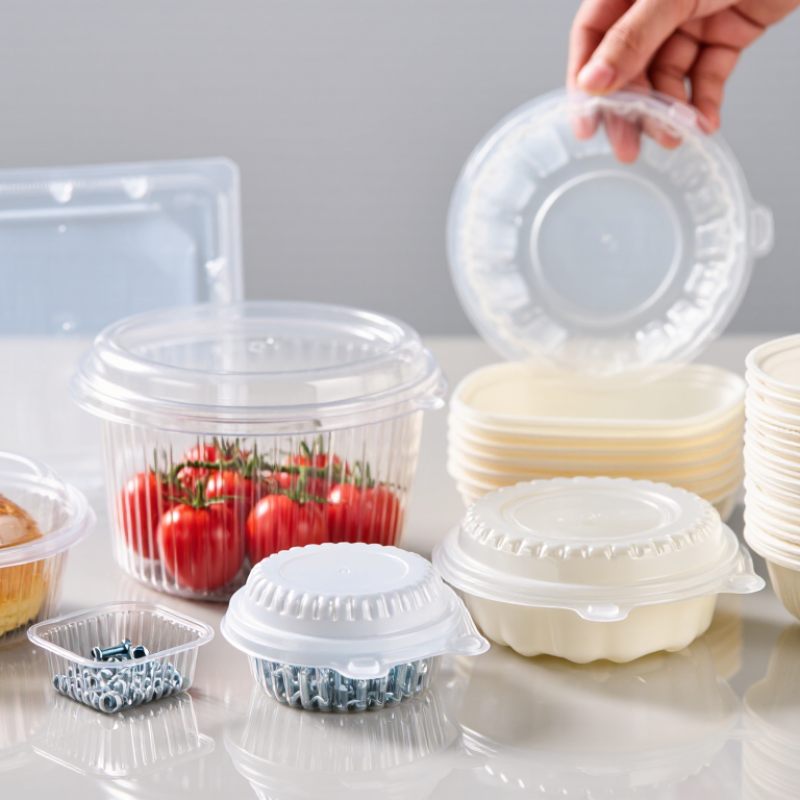
Clam packaging is not one product with one purpose. A hinged PET clamshell keeps berries visible and contained, while vent holes can help manage moisture during short retail display. For bakery counters, a clear, rigid lid protects decorated items and lets customers inspect them without opening the pack. Molded-fiber clamshells suit some takeaway meals, but they hide the food and may soften when wet.
Match the format to handling conditions. USDA estimates that 30–40% of the U.S. food supply is lost or wasted. That makes protection and shelf life practical design concerns, especially for fragile produce. Still, heavier packaging is not automatically better; test closure strength, stacking, condensation, and the distance products travel. A small trial often reveals problems that a sample sitting on a desk will not.
Material claims need care, too. NAPCOR’s 2023 report put the U.S. PET bottle recycling rate at 29.1% for 2022. That figure applies to bottles, not clamshells. Local sorting access can differ. Ask buyers or waste handlers which formats they actually accept, then compare unit cost, pack speed, product visibility, and damage rates. The best choice may be less tidy than expected. Test it in real conditions.
How to Choose Clam Packaging for Your Business in 2026? — Understanding Clam Packaging Types and Their Business Uses
| Packaging Type | Typical Material and Design | Visibility and Product Protection | Common Business Uses | Key Advantages | Considerations When Choosing |
|---|---|---|---|---|---|
| PET or rPET hinged clamshell | Clear polyethylene terephthalate (PET); rPET uses recycled PET content. Usually formed as one piece with a hinged lid and snap closure. | High product visibility. The rigid shape helps protect contents from handling and allows products to be displayed in retail cases. | Fresh berries, bakery items, salads, produce, small consumer goods, and retail merchandise. | Lightweight, transparent, and available in multiple shapes and sizes. Some formats are accepted in PET recycling programs. | Check local recycling acceptance, recycled-content requirements, food-contact suitability, and whether the closure stays secure during transport. |
| PP hinged clamshell | Polypropylene (PP), commonly made as a hinged one-piece container. Available in clear, translucent, or opaque formats. | Offers a rigid enclosure; clarity varies by design. Certain formats are designed to tolerate heat better than many PET packages, but suitability depends on the specific product and package. | Takeout meals, deli items, prepared foods, and products that may be filled or reheated when the package is specifically rated for that use. | Can be designed for different closure styles and food-service needs; often resists moisture. | Confirm temperature limits, microwave-use instructions, seal performance, and local recycling access. Do not assume every PP container is microwave-safe or recyclable locally. |
| Molded-fiber clamshell | Formed from fibrous materials such as recycled paper or other plant fibers; often has a hinged lid and molded locking tabs. | Usually opaque, so the product is not visible through the package. The molded structure can provide cushioning; moisture and grease resistance depend on the design and any added treatment. | Quick-service meals, burgers, sandwiches, bakery goods, and takeaway foods where a natural-looking, opaque package is suitable. | Can be made from fiber-based feedstocks and is often designed for food-service handling. | Check grease and moisture performance, food-contact compliance, lid fit, and local composting or recycling rules. Coatings and food residue can affect disposal options. |
| Paperboard clamshell | Folded or die-cut paperboard, sometimes with a separate window or barrier coating. May use a tuck, tab, or other closing feature. | Mostly opaque; a window can show part of the product. Protection depends on board thickness, construction, and resistance to moisture or grease. | Bakery products, sandwiches, confectionery, lightweight retail goods, and takeaway items that benefit from printed surfaces. | Provides a printable surface and can support branding or product information without requiring a fully clear package. | Evaluate window material, coating, food-contact requirements, and local paper recycling guidance. Barrier treatments may affect recyclability. |
| PVC clamshell | Clear polyvinyl chloride (PVC), often formed as a hinged package or as two pieces that lock together. | High visibility and a rigid form can help keep small products organized and on display. | Small hardware, craft supplies, accessories, and certain retail goods. | Can hold product shape and provide a clear view of contents. | Review retailer and regional material requirements, recycling access, and product-safety needs. Alternatives may be preferred where PVC collection or processing is limited. |
| EPS foam clamshell | Expanded polystyrene (EPS) foam, typically molded as a hinged container. | Opaque and insulating; the foam structure can help retain heat and cushion contents. | Hot takeaway foods and applications where insulation and low weight are priorities, subject to local rules. | Provides insulation and cushioning with a lightweight structure. | Check local restrictions and collection options before selection. EPS is not accepted in many curbside recycling programs, and food residue can complicate recovery. |
| Two-piece clear plastic clamshell | Separate base and lid, commonly made from a clear plastic such as PET or PP, with a friction fit or locking edges. | Can provide all-around product visibility. The fit and rigidity determine how well the contents stay in place. | Electronics accessories, small tools, stationery, toys, and other point-of-sale products. | Allows different base and lid designs and can be sized around a specific product. | Check closure security, opening experience, material identification, packaging size, and whether the chosen material is collected locally. |
Selection note: Match the package to the product, distribution conditions, food-contact requirements where applicable, and customer opening needs. Recycling and composting availability varies by location; verify local collection rules and the complete package construction before making disposal claims.
Related Posts
-

Why Choose Stock Clamshell Packaging for Your Business Needs?
-
How to Choose the Best Stock Clamshells for Your Products?
-
How to Choose Clamshell Blister Packaging for Global Buyers?
-
Top 10 Benefits of Clam Packaging for Sustainable Product Delivery
-
10 Tips for Buying Bulk Clamshell Packaging?
-
How to Choose the Best Plastic Clamshell Packaging Options?