(208) 739-9142Monday – Friday 8 AM – 4:30 PM (MST)

How to Choose Clamshell Packaging for Global Sourcing?

Choosing clamshell packaging for global sourcing is not simply a matter of comparing unit prices. A buyer must balance product protection, material clarity, tooling cost, shipping volume, and end-of-life expectations. Smithers estimates that the global packaging market will exceed US$1 trillion by 2028, increasing pressure on companies to source efficiently and responsibly. Packaging decisions now affect procurement, logistics, retail presentation, and sustainability reporting.

Small details matter. A hinged PET clamshell may protect a wireless accessory during repeated handling, while a lighter recycled-content design may reduce material use but require stronger sealing. Eurostat reported that the European Union generated approximately 186.5 kilograms of packaging waste per person in 2022. This figure highlights why material selection and recovery options deserve attention during supplier evaluation. Buyers should request resin specifications, dimensional drawings, sample approvals, compression-test results, and documented quality controls. ASTM D4169 testing can help simulate distribution hazards, although laboratory results never perfectly reproduce every warehouse or delivery route.

There is no universal best format.

Global sourcing also requires practical communication. Suppliers should confirm mold ownership, minimum order quantities, lead times, color tolerance, and carton dimensions before production begins. Recyclability claims need verification, not attractive wording. ISO 18601 and related packaging standards provide useful guidance for prevention, reuse, recovery, and material optimization. Still, even a detailed scorecard can miss regional recycling limitations or unexpected transit damage. That imperfection is worth acknowledging. A reliable sourcing process combines audited supplier experience, physical samples, independent testing, and transparent documentation. This approach helps companies choose clamshell packaging that protects products without creating avoidable cost or environmental problems.

How to Choose Clamshell Packaging for Global Sourcing?

Define Clamshell Packaging and Global Sourcing Requirements

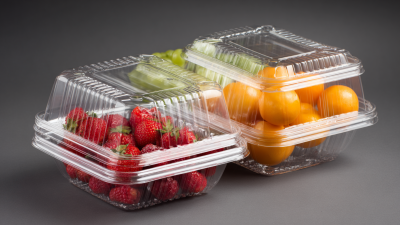
Clamshell packaging is a transparent container made from two formed sections. These sections may hinge together or seal around the product. It protects small goods from dust, impact, and unauthorized opening. Its shape also supports product visibility at retail. However, a clear shell is not automatically a sustainable choice. The OECD’s Global Plastics Outlook reported 353 million tonnes of plastic waste in 2019, with packaging representing about 40% of that total.

Global sourcing begins with precise packaging requirements. Specify product dimensions, weight, protection needs, material type, wall thickness, closure method, and target order volume. A sourcing team should also define tooling ownership, sample approval, inspection standards, and delivery terms. Small differences matter. A two-millimeter tolerance can affect sealing and shipping efficiency. For international supply, request material declarations and test records before production. ISO 18601 and its related standards provide a useful framework for packaging optimization and environmental considerations.

Recyclability needs careful checking. A PET clamshell may enter different recycling systems than a PVC version. Local collection rules can vary sharply between destination markets. The Ellen MacArthur Foundation has reported that packaging represents nearly 40% of global plastic production, showing why material choices deserve closer review. Do not rely only on supplier claims. Compare laboratory results, production samples, and actual recycling guidance. A practical weakness remains: some lightweight designs reduce material use but lose rigidity during long-distance transport. The cheapest specification may create more damage, returns, and waste. Test the package under realistic humidity, stacking, vibration, and temperature conditions.

Assess Product Protection, Presentation, and Market Needs

How to Choose Clamshell Packaging for Global Sourcing?

Assess Product Protection, Presentation, and Market Needs

A clamshell should protect the product during stacking, vibration, and repeated handling. Check hinge strength, sealing consistency, and plastic thickness before approving a supplier. In practical sourcing work, sample packs often look excellent but fail after several drops. Test filled packages, not empty shells. Measure cracking, shifting, and seal separation. Humidity and temperature changes also deserve attention, especially during long international transport. A small gap can become expensive damage.

Presentation influences whether shoppers understand the product within seconds. Clear material can display color, texture, and included parts, while shaped cavities prevent movement. However, excessive plastic may make opening frustrating and weaken the buying experience. Leave enough space for readable product information and handling instructions. A neat package is not always a useful package. I have seen attractive layouts hide important details near the fold.

Market needs vary by region, retail channel, and customer habits. Consider shelf dimensions, storage conditions, disposal expectations, and accessibility for opening. Ask local teams to review prototypes because distant assumptions can be misleading. Compare at least two material options and record protection, appearance, unit cost, and production consistency. Require inspection samples from multiple batches. One successful shipment proves very little. A pilot order can reveal color variation, warped lids, or inconsistent sealing before larger commitments. Some decisions will remain imperfect, so document the trade-offs instead of presenting them as certainty.

Compare Materials, Designs, and Production Methods

When choosing clamshell packaging for global sourcing, compare material performance before comparing prices. PET offers clear visibility, good impact resistance, and broad recycling recognition. PVC can be economical, but its environmental profile requires closer review. RPET adds recycled content, yet color and clarity may vary between batches. Paperboard hybrids reduce plastic use, although moisture protection can be weaker.

Design affects product safety and factory efficiency. A hinged clamshell opens easily, but its hinge may fatigue during transport. A sealed edge improves tamper evidence, while making product access harder. Test hanging holes, locking tabs, and internal supports with the actual product. Small dimensional changes can prevent shifting, scratched surfaces, and crushed corners. I have seen attractive prototypes fail after vibration testing. The display looked perfect. Production methods also change sourcing risk. Thermoforming suits many shapes and supports fast repeat production after tooling approval. Injection molding delivers precise details, but tooling costs can rise quickly. Die cutting works well for paperboard components and simpler profiles.

Ask for samples from the intended material batch, not only a polished prototype. Confirm wall thickness, seal strength, drop performance, and packaging yield in writing. A supplier should provide measurable tolerances and inspection records. Still, documentation is not proof of every shipment. Independent testing can reveal weak seals or brittle hinges. Global projects may need different recycling marks, languages, and transport tests. Leave room for revision, because the first specification is rarely perfect.

Evaluate Suppliers, Compliance Standards, Costs, and Logistics

Choosing clamshell packaging for global sourcing requires more than comparing unit prices. Request supplier evidence for resin composition, mold accuracy, sealing strength, and production capacity. A capable factory should provide recent test reports, traceability records, and corrective-action history. Ask whether materials meet destination-market food-contact, labeling, recycling, and chemical requirements. Requirements vary by country, so one certificate rarely covers every shipment.

Compliance affects cost. The OECD Global Plastics Outlook reports that only 9% of plastic waste was recycled in 2019. This strengthens pressure for recyclable designs and verified recycled content. A thinner clamshell may reduce material use, but it can crack during handling. That creates returns, delays, and hidden emissions. Costs hide there.

Compare tooling, resin, printing, inspection, packaging, duties, and inland freight together. The World Bank’s Logistics Performance Index 2023 highlights customs and shipment reliability as major supply-chain factors. Build buffer time around border clearance, especially for new trade lanes.

Tips:

Request three production samples and test them under stacking, drop, humidity, and temperature conditions. Confirm carton dimensions before booking freight. Use a landed-cost worksheet, not a factory quotation alone. Review audit documents directly; supplier promises can be incomplete. I would also challenge “recyclable” claims unless local collection systems can actually process the material. That judgment is not perfect, but practical testing often reveals weaknesses earlier than paperwork.

Test, Select, and Manage the Final Packaging Solution

Choosing Clamshell Packaging for Global Sourcing

Begin with the product, shipping route, and retail environment. A clamshell must protect the item without creating unnecessary material or assembly work. Measure the product at several points, including fragile edges and moving parts. Then define the cavity depth, hinge position, closure force, and label area. Small errors can cause big problems.

Test samples before approving a supplier. Use drop tests from realistic handling heights, compression tests for stacked cartons, and hinge-cycle tests for repeated opening. Check the package after exposure to humidity and temperature changes. Inspect sharp edges, cloudy plastic, weak seals, and trapped moisture. Run a short production trial, not only a laboratory test. The line may reveal feeding problems that samples hide. A perfect first sample is rare.

Select the final design using a written scorecard. Compare protection, material weight, packing speed, defect rate, shipping volume, and total cost. Keep an approved reference sample with drawings, tolerances, material specifications, and closure requirements. During production, use batch inspections and photographs at key checkpoints. Record supplier changes, even when they seem minor. A different resin mix or mold adjustment can alter clarity and hinge strength. We once underestimated carton compression during a humid-season shipment. The lesson was uncomfortable but useful: test the complete supply chain, not just the package on a clean factory table. Review results regularly, and correct weak points before they become repeated losses.

How to Choose Clamshell Packaging for Global Sourcing?

Test, select, and manage the final packaging solution by balancing protection, logistics, compliance, presentation, and cost.

This practical sourcing scorecard gives the highest priority to product protection and packaging integrity, followed by shipping efficiency and regulatory compliance. Use the same criteria during prototype testing, supplier comparison, and final production approval.

Go to Top