China has become a major source of packaging equipment for food, beverage, pharmaceutical, cosmetic, and industrial businesses. Among these machines, the packaging sealing machine is essential for creating clean, secure, and consistent package closures. Chinese manufacturers and suppliers now offer continuous band sealers, impulse sealers, vacuum sealers, tray sealers, and automated filling-sealing systems.
This guide introduces leading China-based packaging sealing machine manufacturers and suppliers through practical industry criteria. These criteria include sealing strength, temperature control, production speed, material compatibility, electrical safety, maintenance access, and after-sales support. A reliable supplier should provide clear specifications, sample testing, installation guidance, and traceable quality records. Factory experience also matters. A supplier that understands polyethylene film may not perform equally well with laminated pouches or aluminum-coated materials.
Details often reveal more than polished brochures. Inspect the seal width, conveyor stability, heating response, and control-panel layout. Ask how quickly spare heating elements can be delivered. Confirm whether operators receive useful training rather than a brief manual. Certifications are valuable, but they should support real testing and responsible manufacturing practices.
No supplier is perfect. Some product pages lack technical depth, while some machines look impressive but require frequent adjustments. This guide therefore encourages careful comparison, direct communication, and realistic performance checks. Readers should evaluate equipment against their own packaging materials, factory conditions, labor skills, and output targets. A dependable partnership is built gradually, through samples, documentation, transparent pricing, and measurable service commitments. That process may take longer, but it can prevent costly equipment decisions later.
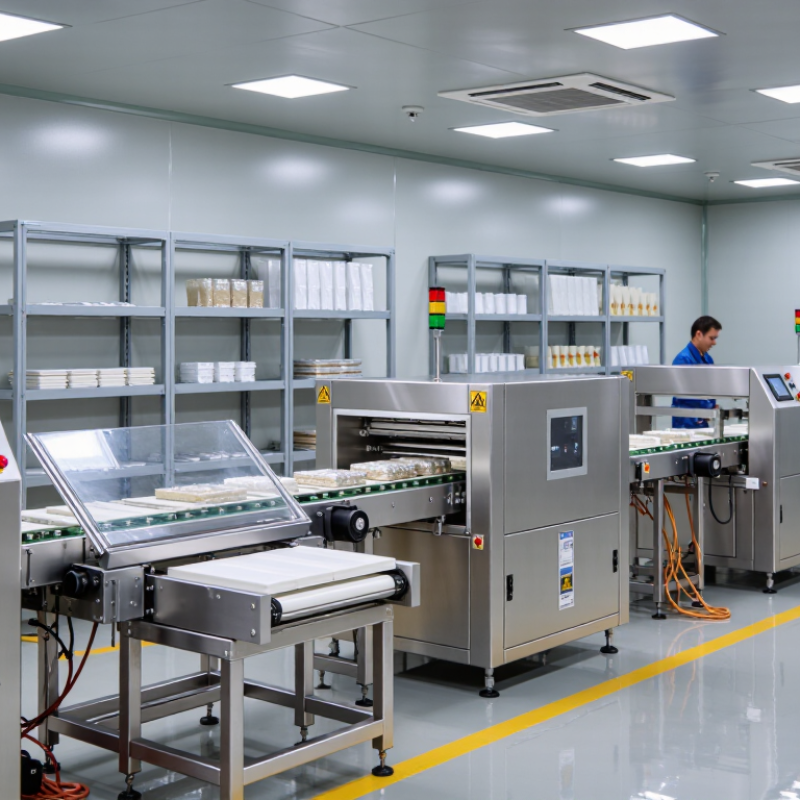
Packaging sealing machines close filled packages by applying heat, pressure, adhesive, or another controlled method. Common formats include bags, pouches, trays, cartons, and films. A machine may use heated jaws to fuse plastic film, or a conveyor-fed system to seal trays with lidding material. The purpose is practical: reduce leakage, limit exposure to dust and moisture, and help protect product condition during handling. Not every seal is a barrier to oxygen or contamination; performance depends on the material, settings, and package design.
Core functions include feeding or positioning the package, forming the seal, controlling temperature and pressure, and checking the finished closure. Operators watch for wrinkles, uneven seal lines, and product caught in the sealing area. Small changes matter. A 2024 Grand View Research report estimated the global packaging machinery market at USD 45.5 billion in 2023, with projected growth through 2030. That broad market figure includes many machine types, not sealing equipment alone, so it should not be read as a sealing-machine sales estimate. In real production, speed is only one measure; seal consistency and changeover time deserve equal attention. A fast line can still waste material.
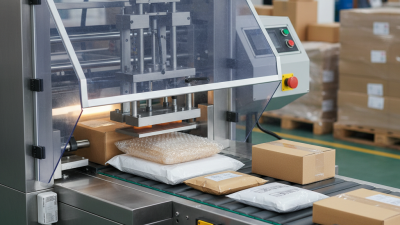
China’s packaging lines use several sealing machine types, chosen by material, speed, and product sensitivity. Continuous band sealers handle PE and laminated pouches at steady factory speeds. Operators often adjust temperature, pressure, and belt speed for each film thickness. Small changes matter.
Impulse heat sealers suit short runs and retail packs, while vacuum chamber machines remove air before sealing meat, grains, and medical supplies. Tray sealers close prepared-food containers with film, often using modified-atmosphere packaging. Induction sealers create tamper-evident closures on bottles, although they require compatible liners and accurate alignment. Ultrasonic sealers can reduce heat exposure, but their higher setup cost may limit use.
Grand View Research valued the global packaging machinery market at about USD 52.83 billion in 2022. It also forecasts a 5.8% compound annual growth rate from 2023 to 2030. Smithers’ packaging outlook identifies automation, lightweight materials, and flexible packaging as continuing market drivers. These trends are visible in Chinese factories, where servo controls and automatic film tracking are increasingly common. Still, faster is not always better. Poor sealing jaws, dust, or uneven film can produce weak seals and hidden leakage. Experienced technicians test seal strength, inspect cut edges, and record settings by batch. The practical gap remains quality consistency. Reports provide direction, but production-floor evidence decides whether a sealing machine truly performs.
When comparing Chinese packaging sealing machine manufacturers and suppliers, begin with the package you actually run. Film thickness, bag width, seal type, and daily output all affect machine selection. Ask for practical operating ranges, not just maximum speed. A demonstration may reach 60 bags per minute, yet heavier pouches or frequent changeovers can slow production. Request a trial with your own packaging material. Watch seal consistency, temperature recovery, and how rejected packs are handled. Small details matter.
Tips: Compare written specifications with a live trial. Ask who handles installation, which spare parts are stocked, and how quickly technical support responds. Check that manuals show wiring diagrams and maintenance intervals. Keep answers in writing. Verbal promises are easy to misremember.
Look beyond the purchase price. Compare guarding, cleaning access, and the availability of replacement heaters and sensors. Request a parts list with prices and delivery estimates. Review quality records and references from similar production environments. A factory visit can show assembly practices, but it cannot prove long-term reliability. That takes evidence over time. Some specifications may remain unclear; record the gaps instead of assuming the best.
| Machine Type | Typical Packaging and Applications | Sealing Method and Key Features | Compatibility Checks | Key Specifications to Compare | Evidence to Request from a Supplier |
|---|---|---|---|---|---|
| Impulse heat sealer | Small-batch sealing of thermoplastic pouches, including some polyethylene and polypropylene films. | An electrical pulse heats the sealing element during the sealing cycle. Available as hand-operated or foot-operated equipment. | Confirm that the sealing element and temperature or timer settings suit the film material and thickness. Film structures vary, so test the actual pouch. | Seal length; maximum seal width; sealing cycle; control settings; available spare heating elements and PTFE covers. | Machine specification sheet, sample seals made with the buyer’s film, and a list of consumable parts. |
| Continuous band sealer | Repeated sealing of filled thermoplastic bags in production or packing areas. | Conveyor-fed bags pass through heated sealing belts. Many models offer adjustable temperature and conveyor speed; some add printing or embossing. | Check bag material, thickness, opening width, product residue near the seal, and whether the required bag orientation is supported. | Conveyor speed range; maximum bag opening or seal width; temperature-control range; supported bag thickness; date-coding options. | Operating video using a comparable bag, sample seal test, electrical requirements, and details of belt and heating-element replacement. |
| Vacuum chamber sealer | Vacuum packaging of compatible pouches for food, components, and other products where air reduction is required. | Air is removed from the chamber before the pouch is heat-sealed. Some configurations support gas flushing; this is a separate feature to verify. | Confirm pouch material is suitable for vacuum packaging and that product shape, moisture, and cycle requirements suit chamber operation. | Chamber dimensions; seal-bar length; pump type and rated capacity; cycle controls; gas-flush availability; service access. | Pump and chamber specifications, a cycle demonstration with the intended product or a representative load, and maintenance guidance. |
| Induction cap sealer | Sealing compatible containers with a foil liner beneath the closure, commonly used for bottles and jars. | Electromagnetic induction heats the foil liner so it bonds to the container opening. The machine does not replace the container’s screw cap. | Container material, neck finish, cap and liner construction must be compatible. Validate the liner and closure combination before production. | Container and cap size range; conveyor speed; power and cooling requirements; coil configuration; available seal-monitoring features. | Compatibility test using the intended bottle, cap, and liner; installation requirements; and guidance for checking seal integrity. |
| Tray sealer | Sealing lidding film to compatible trays for food products and other tray-packed goods. | A heated tool bonds lidding film to the tray flange. Depending on configuration, machines may cut film, form trays, or support modified-atmosphere packaging. | Tray dimensions and flange design must match the tooling. For modified-atmosphere packaging, verify gas-flush equipment and the required packaging materials. | Tooling format; output rate; film width; sealing temperature and pressure controls; changeover method; gas-flush options. | Tooling drawings, sample packs, a format-change demonstration, and confirmation of which packaging operations are included. |
| Tube sealer | Sealing compatible plastic or laminated tubes used for creams, gels, pastes, and similar products. | Depending on tube material, the tail may be sealed by heat or ultrasonic energy. Machines may include tube positioning, coding, or trimming functions. | Identify the tube material and dimensions first: sealing methods are not interchangeable across all plastic and laminated tubes. | Supported tube diameter and material; cycle rate; filling and sealing integration; coding method; changeover requirements. | Test results on the specified tube, confirmation of the sealing method, and a clear list of included filling, coding, and trimming functions. |
Comparison note: Features and specifications depend on the machine configuration. Confirm the exact materials, dimensions, operating conditions, and acceptance criteria with each supplier, and request a test using your own packaging materials before placing an order.
China has become a major sourcing center for packaging sealing machine manufacturers and suppliers. Leading suppliers serve food, medicine, cosmetics, and daily goods packaging operations. Their equipment commonly includes continuous band sealers, vacuum sealers, and automatic filling-sealing lines.
Experienced manufacturers usually provide stainless steel frames, adjustable sealing temperatures, and clear control panels. These details matter on a busy production floor. A reliable supplier should explain sealing width, speed, material compatibility, and power requirements. Factory testing should include real packaging film, not only an empty machine demonstration. Ask for operating videos, inspection records, and spare parts availability. Technical support also matters when a heater fails during a night shift.
Tips: Test several bag materials before placing a large order. Check the seal after cooling, not immediately. Confirm noise levels and cleaning time. A polished sample can still hide weak support. No supplier is perfect. Buyers should record small defects, response delays, and design changes during evaluation. Clear drawings and written specifications reduce misunderstandings between overseas buyers and engineering teams. Reliable manufacturers also discuss installation training, warranty coverage, and maintenance schedules without avoiding difficult questions.
When comparing China-based packaging sealing machine suppliers, look beyond the quoted price. Ask the team to seal your actual packaging material, then inspect the seam for wrinkles, leaks, and uneven pressure. Request a recorded output rate, changeover time, and reject rate from a trial using your product. These figures show whether a machine suits your line, not just a showroom demonstration.
Check technical files, operator manuals, and conformity documents, then confirm they match your destination market and machine configuration. Where compliance is critical, ask a qualified local specialist to review the records. A neat certificate is not the whole story. Small details matter.
After-sales support should be specific. Ask who handles commissioning, how quickly service requests receive a response, and which wear parts are stocked locally. Get training, warranty limits, remote diagnostics, and spare-part lead times in writing.
Then speak with customers who use similar packaging formats and production shifts. Listen for recurring problems, not only praise. Even a thorough review can miss something. A short production trial and a clear escalation contact can help reveal gaps before installation.