(208) 739-9142Monday – Friday 8 AM – 4:30 PM (MST)

10 Best Blister Packing Machines for Global Buyers in 2026

Choosing a blister packing machine for a global operation takes more than comparing advertised speeds. Buyers need to match forming method, pack size, material compatibility, and changeover needs to their actual production plans. A line running small tablet cavities may require different tooling from one packaging larger medical components. Seal consistency matters. So do clear controls, accessible spare parts, and dependable technical support.

Packaging expert Walter Soroka, CPP, describes packaging as “the science, art, and technology of enclosing or protecting products for distribution, storage, sale, and use.” That principle is useful when assessing machinery: the pack must protect the product, and the equipment must fit the process. This guide reviews ten blister packing machine options for buyers evaluating production capacity, format flexibility, inspection features, and service availability in 2026. It also considers practical details that brochures can overlook, such as how quickly operators can change a forming tool or reach routine maintenance points. No single machine is best for every plant. A high-speed model may be a poor fit where frequent format changes are common. And a polished specification sheet does not prove that local support will be responsive. Use the comparisons as a starting point, then verify performance against your product, packaging materials, and operating conditions.
10 Best Blister Packing Machines for Global Buyers in 2026

What Blister Packing Machines Are and How They Work

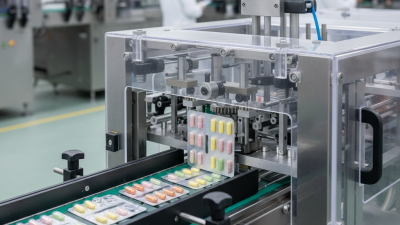
A blister packing machine forms individual cavities in a flexible base material, places products inside, and seals them with a lidding layer. The clear pockets let buyers see the contents while helping protect each item from handling and moisture. Pocket size and layout depend on the product, material, and required pack format.

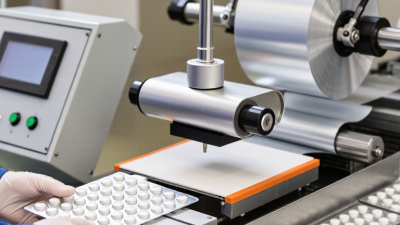
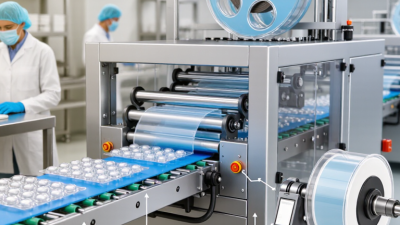
The process begins as a roll of film moves into a forming station. Heat and pressure shape the film into pockets, or a forming tool presses a cold-formable laminate into place. Product feeders then guide items into the cavities. A foil or other compatible lid is positioned above them and sealed using controlled heat and pressure. Cutting tools separate the finished packs. This is the basic sequence.

Sensors can check film position, missing products, and sealing conditions, though their capabilities vary by machine. In practical use, material compatibility matters: a good-looking cavity is not proof of a reliable seal. Setup is rarely as effortless as diagrams suggest. Operators may need to adjust temperature, pressure, and line speed when film thickness or product dimensions change. Even a small misalignment can leave pockets uneven or seals incomplete, so sample packs should be checked during setup and production.

Key Types and Applications of Blister Packing Machines

Blister packing machines generally fall into two groups: thermoforming and cold-forming. Thermoforming machines heat a plastic web, shape pockets, load products, and seal a lidding material over them. They suit tablets, small medical components, and consumer goods that need visible product presentation. Cold-forming machines press aluminum laminate into pockets without heating the forming material. They can provide a strong barrier against moisture and light, but the packs may be larger and less transparent.

Machine layouts also matter. Platen systems form and seal with indexed stops, making them useful for varied formats or careful handling. Rotary systems use rotating tooling and can support continuous, higher-volume production. Roller-based designs may suit long runs, though changeovers and material compatibility need close review. Not every fast machine fits every factory.

Applications shape the choice. A medicine line may need accurate cavity filling and clear inspection access. A food packer may prioritize shelf appearance and easy opening. Electronics producers often need pockets that hold small parts steady during transport. Ask to see sample packs made with your actual product and film. That matters. A tidy specification sheet can miss awkward cleaning steps, noisy feeding, or slow format changes. Buyers should compare validated output, waste levels, operator access, and service support—not speed alone.

How to Evaluate Machines for Global Markets in 2026

For global buyers comparing blister packing machines in 2026, headline speed is only one part of the decision. Check whether the machine can handle your actual product, forming material, and target pack size. Ask for a trial using representative samples. Watch how the film feeds, how cavities form, and whether seals remain even across the web. Small details matter. A clean-looking sample is not enough; inspect several consecutive packs and record reject rates.

Tips: Confirm local power requirements, operator-language options, spare-parts availability, and remote support hours before requesting a quotation. Ask for proof, not promises.

A machine suited to one market may need adjustments elsewhere. Review documentation, safety features, cleaning access, and changeover steps with the people who will operate and maintain it. A five-minute format change on paper may take much longer in a busy production room. Request clear acceptance criteria, such as seal checks, output targets, and changeover time, and agree on how each will be tested. Also compare the full cost of ownership, including tooling, training, maintenance, and shipping. Some buyers focus too narrowly on initial price; that is an easy mistake to make. Verify that the proposed configuration meets the requirements of your destination markets with qualified local advisers.

10 Best Blister Packing Machines for Global Buyers in 2026

How to Evaluate Machines for Global Markets in 2026

Check electrical compatibility before comparing machines. These are nominal mains-frequency examples; voltage and local supply can vary, and Japan uses both 50 Hz and 60 Hz depending on region. Confirm the exact requirements at the installation site with the machine supplier.

10 Best Blister Packing Machines for Global Buyers in 2026

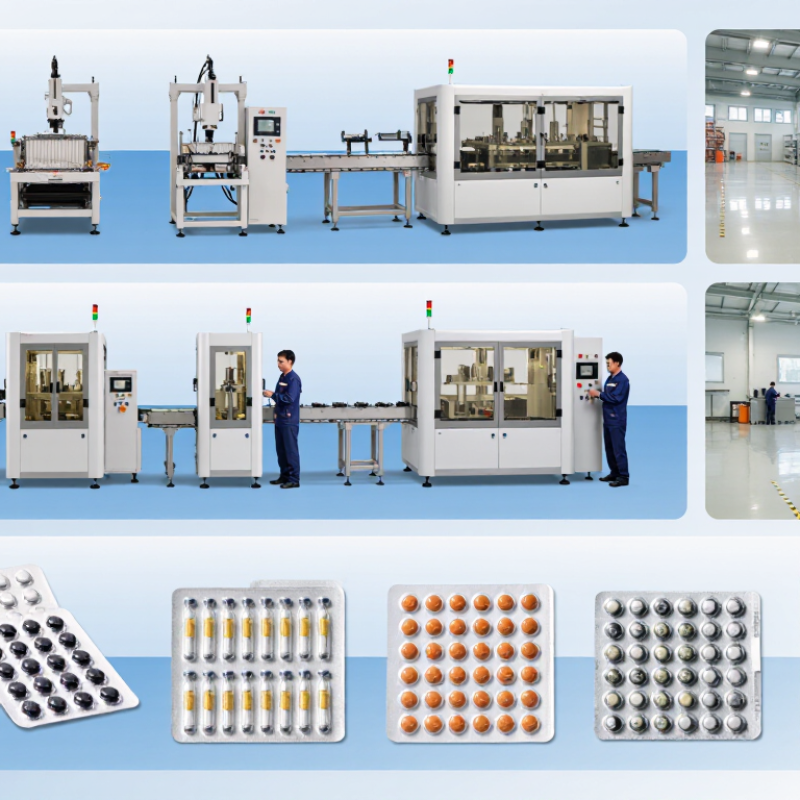
For global buyers in 2026, the best blister packing machine is the one that fits the product, pack format, and daily output. A useful shortlist compares ten configurations, not just ten advertised speeds. Options include manual and semi-automatic units, compact intermittent machines, flat-plate sealers, rotary systems, thermoforming lines, cold-forming lines, high-speed units, modular machines, and integrated cartoning systems. Check forming depth, web width, temperature control, and tool-change time using actual product samples. Ask for test runs. A clear reject-count log can reveal problems that a polished demonstration may hide.

Before comparing prices, confirm which packaging materials each machine can process and whether its controls suit your operators. Request sample packs and inspect seal consistency, cut edges, print alignment, and opening behavior. Published output rates can flatter a machine; frequent changeovers or careful inspection may reduce real production speed. Small detail, big difference. For cross-border purchasing, check installation support, spare-part availability, training, and documentation in languages your team can use. These details are easy to overlook, and service arrangements may vary by destination. Leave space for future format changes, but avoid paying for capacity your production plan cannot justify.

10 Best Blister Packing Machines for Global Buyers in 2026

Buyer-oriented comparison of common machine configurations, rather than brand-specific products. Speed ranges are indicative and depend on package size, tooling, materials, and product handling; confirm performance and compliance requirements with the equipment supplier.

No. Machine Configuration Indicative Speed Typical Materials Common Applications Key Buying Consideration Best Fit
1 Flat-Plate Thermoforming Machine Approximately 15–40 cycles/min PVC, PET, or PVDC-coated forming film with lidding foil Tablets, capsules, and small medical devices Provides flexible forming and sealing control; compare tooling cost and changeover time. Small and mid-sized pharmaceutical production
2 Rotary Thermoforming Machine Approximately 20–60 cycles/min Thermoformable polymer film with aluminum lidding High-volume solid-dose products and consumer goods Rotary motion can support steady output; verify forming depth and seal consistency at target speed. Manufacturers seeking continuous production
3 Cold-Form Aluminum Blister Machine Approximately 10–30 cycles/min Cold-form aluminum laminate and aluminum lidding foil Moisture-, oxygen-, and light-sensitive medicines Offers a high-barrier pack format, but laminate use and pack volume may increase material costs. Products requiring enhanced environmental protection
4 Intermittent-Motion Blister Machine Approximately 15–40 cycles/min PVC, PET, or coated forming film with foil lidding Pharmaceuticals, nutraceuticals, and small batches Consider its balance of process control, output, and mechanical complexity. Facilities with varied products or moderate production volumes
5 Continuous-Motion High-Speed Machine Approximately 40–100 cycles/min Thermoforming film or compatible cold-form laminate, with lidding foil Large-volume tablet and capsule packaging Check feeder capacity, rejection systems, and downstream equipment synchronization. Established production lines with sustained demand
6 Compact Tabletop Blister Machine Approximately 5–20 cycles/min Common thermoforming films and lidding foil, subject to model limits Sampling, pilot runs, and limited-volume packaging Confirm available forming area, utilities, guarding, and compatibility with intended materials. Laboratories, startups, and small production rooms
7 Servo-Driven Format-Change Machine Approximately 20–60 cycles/min Thermoforming film or compatible barrier laminate Multiple blister sizes and product formats Servo controls can simplify repeatable adjustments; assess recipe management and tooling changeover. Plants frequently switching between product formats
8 PVC/PVDC Thermoforming Machine Approximately 20–60 cycles/min PVC forming film with a PVDC barrier coating and lidding foil Tablets and capsules needing more barrier protection than basic PVC packs Compare barrier requirements, film availability, sealing conditions, and local material regulations. Pharmaceutical lines using coated thermoformable film
9 Deep-Draw Blister Machine Approximately 10–30 cycles/min Formable polymer films or suitable barrier laminates Bulky devices, larger products, and deeper blister cavities Check maximum forming depth, material behavior, and cavity dimensional consistency. Products that do not fit standard shallow blister cavities
10 Blister Machine with Integrated Cartoning Blister output commonly configured around 30–80 cycles/min; line output depends on synchronization Forming film or barrier laminate, lidding foil, and paperboard cartons Products requiring blistering, leaflet insertion, and cartoning in one line Evaluate the complete line rate, format coordination, inspection, and reject handling—not just blister speed. Manufacturers seeking a coordinated packaging line

How to Match a Machine to Your Product and Production Needs

A blister packing machine should fit the product, pack format, and real production schedule—not just a headline speed. Start with the product’s size, shape, fragility, and moisture sensitivity. A small tablet may run smoothly in shallow cavities, while a bulky or delicate item may need deeper forming and gentler handling. Check whether the machine supports your chosen forming and lidding materials. Compatibility affects seal quality, appearance, and waste.

Tips: Bring actual product samples and packaging materials to a machine trial. Check changeover time, cleaning access, and the space needed around the equipment. Ask for output under your intended settings, not only the maximum rated speed.

Production needs matter just as much. Estimate daily demand, planned shifts, and how often pack formats will change. A high-speed line can be a poor fit if orders are small and changeovers are frequent. Review feeding accuracy, reject handling, inspection options, and operator training needs.

Fit matters. Request sample packs and inspect seal consistency, cavity alignment, and product damage. Specifications help, but they cannot answer every question. I would still leave room for uncertainty: real materials and operators can behave differently from a demonstration run. Verify maintenance support, spare-part availability, and the machine’s footprint before comparing final costs.

Go to Top