
How to Choose a Blister Machine in 2026
Choosing a blister machine in 2026 is not simply a matter of buying the fastest line. The right choice depends on the product, package format, production volume, and the people who will operate it. A compact tablet line has different needs from a facility handling several products and frequent format changes. That sounds obvious, yet equipment specifications can make it easy to overlook.
Start with the actual pack: cavity size, forming and lidding materials, sealing requirements, and inspection needs. Compare output under realistic conditions, not only the best-case rate in a brochure. Real conditions matter. Ask suppliers how changeovers work, what routine maintenance involves, and which spare parts may affect availability. Request a trial using your materials and representative products where practical. Observe the formed pockets, seal quality, handling, and time needed for setup.
A tidy comparison table can still hide awkward details, such as cleaning steps or brief production stops. Consider operator training, technical support, documentation, and the supplier’s ability to respond when equipment needs attention. Check that proposed features suit your process, rather than paying for options that add complexity without clear value. Total cost includes installation, training, maintenance, and expected downtime—not just the purchase price. No checklist removes uncertainty; some answers emerge only during a realistic trial. This guide explains how to compare machine types and specifications, ask useful questions, and build a shortlist grounded in your production needs.

Understand Blister Machine Types and Their Applications
How to Choose a Blister Machine in 2026
Understand Blister Machine Types and Their Applications
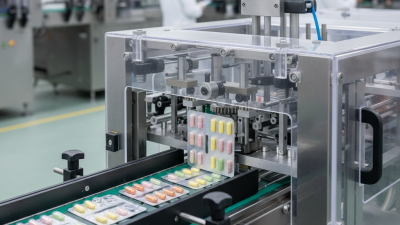
Blister machines differ in how they form cavities, seal packs, and handle materials. Thermoforming machines heat plastic film, then shape it around a product. They suit tablets, small medical components, and other items that need clear packaging. Cold-forming machines press aluminum laminate into cavities without heat. Their opaque packs can provide a stronger barrier against light and moisture. Rotary systems support continuous production, while flat-plate systems can offer flexibility for smaller batches. Changeovers matter. A machine’s output rate is only useful if it matches your product mix and available operators.
Tips: Match the machine to the package, not just the target speed. Check cavity size, forming depth, sealing temperature, and feeding method using actual product samples. Ask how long a routine changeover takes. Small details can slow a line.
Before choosing, review the full process: feeding, forming, sealing, cutting, and inspection. Confirm that the machine can maintain consistent seals with your intended packaging materials. Ask for test runs and inspect finished packs for wrinkles, incomplete seals, or damaged cavities. A supplier’s stated capacity may not reflect your real conditions. That gap is worth questioning. Also consider cleaning access, spare-part availability, and operator training. The best fit is usually the machine your team can run reliably, not the most complex one available.
How to Choose a Blister Machine in 2026: Types and Applications
| Machine Type or Configuration | Forming Method | Typical Materials | Common Applications | Best Suited For | Key Selection Considerations |
|---|---|---|---|---|---|
| Manual or benchtop blister machine | Operator loads products and packaging materials; forming and sealing are performed with manually controlled or simple assisted equipment. | Material choice depends on the machine and tooling; commonly used with thermoformable plastic and compatible lidding materials. | Product samples, prototypes, small clinical or specialty batches, and basic packaging development. | Very low volumes, frequent product changes, or work where a full production line is not justified. | Check operator workload, temperature and pressure control, repeatability, tooling availability, and compatibility with the intended pack materials. |
| Semi-automatic blister machine | Some operations are automated, while an operator typically loads products, transfers packs, or performs other production steps. | Thermoformable films with compatible lidding materials; exact combinations depend on the sealing system and product requirements. | Small-to-medium production runs in pharmaceutical, medical-device, and consumer-goods settings. | Businesses moving beyond hand packaging or producing several formats in moderate quantities. | Evaluate changeover time, loading ergonomics, sealing consistency, guarding, and whether downstream inspection or cartoning is needed. |
| Automatic intermittent-motion machine | The web advances in indexed steps and pauses for operations such as forming, filling, sealing, and cutting. | Thermoformable plastics such as PVC, PET, or PP with a compatible lidding web; material suitability must be confirmed for the application. | Pharmaceutical tablets and capsules, medical components, and products requiring controlled positioning or multiple processing stations. | Production requiring automated handling and accurate registration, especially when process steps need stationary dwell time. | Compare usable forming area, station layout, feeder integration, format flexibility, seal controls, and validated operating range. |
| Automatic continuous-motion or rotary machine | Web handling and forming or sealing stations operate in a continuous or rotary process, depending on the machine design. | Compatible thermoformable films and lidding materials; specific material structures depend on forming, sealing, and product-barrier needs. | High-volume production of repeatable blister formats, including pharmaceutical and selected consumer products. | Longer runs where throughput and repeatable operation are priorities. | Confirm the stated output for the exact pack format, product, and material. Also assess changeover needs, feeding reliability, inspection, and line integration. |
| Thermoforming blister machine | Heat softens a plastic forming web, which is shaped by pressure, vacuum, or a combination of methods. | Common options include PVC, PET, and PP films, subject to machine capability and packaging specifications. | Pharmaceutical packs, medical products, electronics accessories, and consumer goods where a clear formed cavity is useful. | Applications needing formed plastic cavities and a broad choice of cavity shapes and sizes. | Consider forming depth, material thickness, cavity design, heat control, product protection, and the required barrier properties. |
| Cold-forming blister machine | A formable aluminum-based laminate is mechanically shaped without heating the forming web in the same way as thermoforming. | Cold-form aluminum laminate, commonly used as part of an aluminum-based blister structure; confirm the complete laminate specification. | Pharmaceutical products that require stronger protection from moisture, light, or oxygen than a standard clear plastic cavity may provide. | Products for which barrier performance is a major packaging requirement. | Compare barrier requirements, cavity shape and size, material consumption, forming limits, sealing compatibility, and pack dimensions. |
| Platen-style forming or sealing configuration | Flat tooling closes against the web during a stationary or indexed operation; it describes a station configuration rather than a forming material. | Depends on whether the machine is configured for thermoforming or another compatible blister process. | Formats requiring flat tooling and controlled contact across the forming or sealing area. | Operations where tooling layout, dwell time, and straightforward access are suitable for the production format. | Check pressure distribution, dwell time, tooling size, pack pitch, and how the configuration affects cycle time and changeovers. |
| Rotary-style forming or sealing configuration | Rotating tooling performs operations as the packaging web moves through the machine; it describes a machine configuration, not a material type. | Depends on the machine design and the selected forming and lidding materials. | Repeat production formats designed for rotary tooling and compatible web handling. | Applications where the machine’s rotary process and format range match planned production needs. | Review format limits, tooling cost, web registration, access for cleaning and maintenance, and the supplier’s output data for the intended pack. |
Selection note: Thermoforming versus cold forming describes how the blister cavity is made; intermittent, continuous, platen, and rotary describe machine motion or station configuration. These are related but distinct design choices. Confirm material compatibility, product-protection requirements, validated output, and applicable regulatory and quality requirements before purchase.
Related Posts
-
How to Choose an Automatic Blister Packing Machine
-
What Is a Blister Sealing Machine and How Does It Work?
-
2026 Best Blister Card Packaging Machine Options for Efficient Production?
-
7 Best Strategies to Optimize Your Blister Machine Investment
-

How to Choose the Best Blister Machine for Your Business?
-
Best Blister Card Packaging Machine for Your Business Needs?