7 Best Clamshell Packaging Suppliers for Global Buyers
Choosing a clamshell packaging supplier is more than comparing unit prices. Buyers need packaging that protects products, displays them clearly, and travels reliably across long supply chains. A sample can look polished on a desk yet crack after repeated handling. Ask how suppliers test closures, edges, and visibility, and request samples suited to your actual product—not just a catalogue photo.
Packaging researcher Dr. Susan Selke’s published work on packaging and sustainability offers a useful principle: product protection and material choices belong in the same conversation. That is a paraphrase of her broader work, not a direct quotation. It matters when comparing suppliers. Consider material options, consistent dimensions, print quality, production capacity, and communication during sampling. Also ask for clear specifications and evidence supporting performance claims. Small details count: a lid that closes cleanly, a tray that holds its shape, and labels that remain readable. Not glamorous, but important.
The seven suppliers in this guide are starting points for global buyers, not automatic endorsements. Capabilities, lead times, minimum orders, and shipping arrangements can change. Verify each detail directly, and test samples before committing to a large order. There is no perfect supplier. A careful comparison—and a little healthy skepticism—can help you find a practical fit for your product, market, and budget.

Understanding Clamshell Packaging and Its Global Applications
Understanding Clamshell Packaging and Its Global Applications
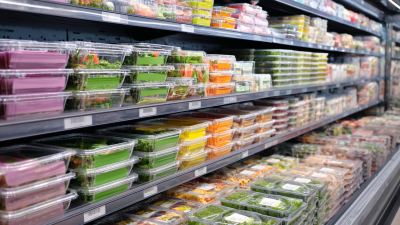
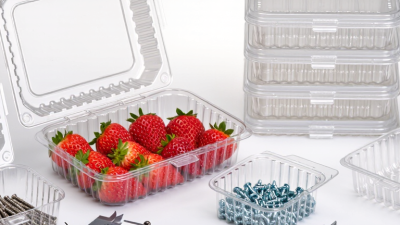
Clamshell packaging uses two connected halves that close around a product. Many designs are thermoformed from clear plastic, while some use molded fiber. The hinged shape keeps items visible and helps prevent handling damage. You’ll see it around berries, bakery goods, small electronics, and hardware. Different products need different levels of ventilation, moisture resistance, and protection. A clear pack can look reassuring, but it does not prove freshness. That distinction matters.
For global buyers, packaging must work beyond the factory floor. It may travel through humid ports, refrigerated storage, or busy retail shelves. Material choice affects weight, product visibility, and disposal options. Local recycling systems and food-contact requirements also vary, so buyers should confirm specifications for each destination. Testing with the actual product is valuable. A sample that fits perfectly in an office may open awkwardly on a packing line.
Tips: Ask for material and size specifications, then test closure strength and stacking with filled packs. Check how the package opens, too. Small hinges can crack. Discuss shipping conditions and destination-market requirements with qualified suppliers before placing a large order.
Key Criteria for Evaluating Clamshell Packaging Suppliers
When evaluating clamshell packaging suppliers, look beyond clear plastic and tidy product photos. Ask how they control material thickness, hinge strength, and lid alignment across production runs. A sample should close evenly without sharp edges or excessive pressure. Samples matter. But one good sample cannot prove consistent output.
Check whether the supplier can adapt cavity depth, closure style, and labeling areas to your product. Request specifications and test results for impact resistance and temperature performance, where relevant. Confirm how changes are approved before a production run begins. That is not enough. Ask how defects are recorded and corrected, too. A supplier’s answers should be specific, not just reassuring.
For global purchasing, review production capacity, lead times, packing methods, and export documentation. Clarify who handles freight coordination and how delays are communicated. Compare quotes using the same material, dimensions, order quantity, and delivery terms. Otherwise, a lower price may reflect a thinner package or different service. It is easy to overvalue a polished presentation; I would still check references and inspect a production sample. Communication can also reveal practical limits. Slow replies do not always mean poor quality, but unanswered technical questions deserve attention.
Profiles of Seven Clamshell Packaging Suppliers for Global Buyers
Global buyers can compare seven supplier profiles by capability, not promises alone. A thermoforming specialist may produce clear PET or rPET trays with precise cavities for retail goods. A food-packaging converter often focuses on seal fit, stackability, and contact-material documentation. A medical-packaging producer may offer tighter process controls and validation support. Ask each supplier for sample parts and relevant quality records.
A high-volume manufacturer may suit repeat orders, while a flexible regional producer can handle shorter runs or design changes. A custom-mold supplier helps develop unusual shapes, though tooling can add time and cost. A distributor may simplify sourcing across several countries, but buyers should confirm who controls production and inspection. These profiles are not guarantees. Actual performance depends on the plant, material, and project.
Tips: Send a drawing, product dimensions, target order volume, and shipping destination when requesting quotes. Compare samples under real packing conditions; a lid that looks secure may loosen during transit. Check lead times, minimum quantities, and documentation before approving tooling. I would also ask how defects are handled. That detail is easy to overlook.
Comparing Supplier Capabilities, Materials, and Service
Comparing clamshell packaging suppliers means looking beyond unit price. Ask which forming processes they offer, how long tooling usually takes, and how they control dimensions across repeat orders. A useful response includes tolerance ranges and sample-approval steps, not just a broad production-capacity claim. Details matter. Request a sample made with the proposed material, then check its hinge, closure, and fit around the actual product. A neat display sample may not reveal weak corners or inconsistent lid alignment.
Material options can include PET, recycled PET, PP, or molded fiber, depending on product needs and available production methods. Ask for material specifications and evidence supporting any recycled-content claims. Recyclability can depend on local collection and processing systems, so avoid relying on a generic label. Not always. Service matters too: clarify who handles artwork changes, quality issues, and order updates, and how quickly they respond. I would be cautious about ranking suppliers from one quotation alone; different assumptions about thickness, tooling, and packing can make prices look comparable when they are not. Ask for those assumptions in writing.
How to Select and Source from the Right Supplier
Choosing a clamshell supplier starts with the product, not the quote. Share its dimensions, weight, fragility, and expected shelf conditions. Then compare material options, such as PET, rPET, or paper-based structures, against clarity, protection, and end-of-life goals. OECD’s Global Plastics Outlook reports that packaging generated 40% of plastic waste in 2019. That figure makes material choices worth discussing early, but it does not prove one format suits every market. Ask suppliers to explain material claims and provide supporting documents.
Check manufacturing capability with a production sample, not a polished sales image. Test hinge cycles, stack strength, seal consistency, and whether the package opens without damaging the product. Request details on tooling ownership, minimum order quantities, lead times, quality checks, and export packing. Ask how defects are recorded and resolved. Price is not proof. A low unit cost can lose its appeal when tooling, freight, or inconsistent dimensions are added. There is no perfect quote; compare the full landed cost and the risks behind it.
Tips: Send the same specification sheet to every shortlisted supplier. Include drawings, material preferences, annual volume, and delivery location. Keep one approved sample as a reference during production. If a supplier cannot explain a test result clearly, pause before placing a large order. My own supplier reviews would also leave room for revision: initial samples rarely reveal every production issue.
7 Best Clamshell Packaging Suppliers for Global Buyers — How to Select and Source from the Right Supplier
Compare typical resin densities when evaluating material options for clamshell packaging.
Approximate representative resin densities are shown; exact values vary by grade and formulation. Density can inform material and shipping-weight discussions with suppliers, but it does not determine finished-pack weight or performance on its own. Confirm specifications with the supplier.