
How to Choose Small Clamshell Packaging in 2026?
Choosing small clamshell packaging in 2026 requires more than comparing price tags. The package must protect the product, support efficient handling, and communicate value on a crowded shelf. A clear shell may reveal every detail, from a polished accessory to tiny scratches that customers notice immediately. The wrong hinge can crack during transport. The wrong cavity can make a product look careless. Small decisions matter.
Packaging educator Walter Soroka defines packaging as “the science, art, and technology of enclosing and protecting products for distribution, storage, sale, and use.” This principle remains useful when evaluating small clamshell packaging. Buyers should examine material strength, product fit, seal performance, opening comfort, and display visibility. They should also consider recycled content, responsible sourcing, and practical end-of-life handling. Sustainability claims need evidence, not attractive wording.
A good package feels quiet.
This guide explores how to compare clamshell formats, closure styles, dimensions, and manufacturing options for 2026. It considers retail presentation, shipping pressure, customer usability, and production consistency. Real samples deserve attention. Hold them, flex the hinge, inspect the edges, and test the opening without damaging the product. Some evaluations may expose inconvenient weaknesses. That is valuable. A package that looks perfect in a supplier photograph may feel brittle, oversized, or frustrating in a customer’s hands. The best choice balances protection, appearance, cost, and honest environmental expectations.
Small Clamshell Packaging: Definition, Uses, and Main Types
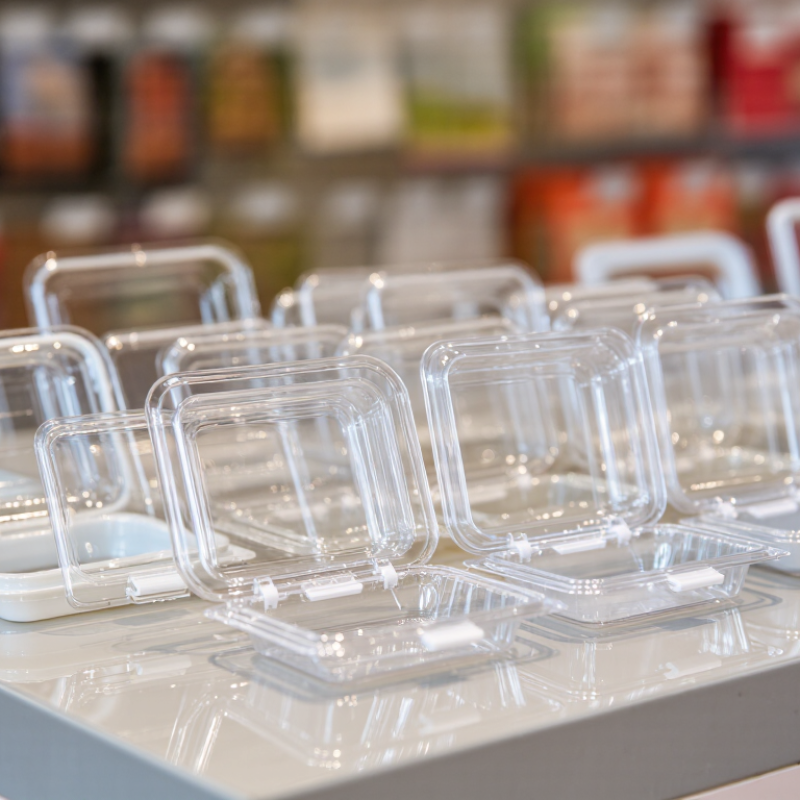
Small clamshell packaging is a transparent container with a hinged lid that closes around a product. Its shape protects small items from dust, moisture, handling damage, and accidental opening. Many designs use PET, recycled PET, or other clear plastics. Material choice depends on product weight, shelf life, and recycling access.
These packages suit hardware pieces, craft supplies, small electronics, cosmetics, toys, and retail accessories. The clear front helps shoppers inspect size, color, and condition without opening the package. In my packaging evaluations, strong locking tabs reduced product loss during transport. However, oversized clamshells wasted shelf space and created unnecessary material use. That mistake is easy to repeat.
Main types include hinged clamshells, two-piece clamshells, heat-sealed clamshells, and hang-hole designs. Hinged versions work well for reusable storage. Two-piece styles offer flexible product loading and presentation. Heat-sealed versions provide stronger tamper evidence, but customers may need tools to open them. When choosing in 2026, check wall thickness, closure strength, product fit, display requirements, and end-of-life handling. A tight fit matters. Leave enough space for labels and safe opening. Test samples under vibration, stacking pressure, and temperature changes before ordering. A perfect choice rarely exists. Reassess the package after real customer use.
How to Choose Small Clamshell Packaging in 2026? - Small Clamshell Packaging: Definition, Uses, and Main Types
| Packaging type | Definition and structure | Common materials | Typical small-product uses | Main advantages | Important limitations |
|---|---|---|---|---|---|
| Hinged clamshell | A transparent package formed as two connected halves that close around the product using an integral hinge. | PET or rPET; PP; PVC in some legacy applications. | Small hardware, craft items, electronic accessories, toys, personal-care accessories, and retail components. | Good product visibility, protective shape, compact merchandising footprint, and easy package identification. | Some designs are difficult to open without scissors; mixed materials or attached labels can complicate recycling. |
| Two-piece clamshell | Separate front and back shells joined by a snap-fit, heat seal, adhesive, or other closure method. | PET, rPET, PVC, PP, or paperboard combined with a clear plastic window. | Small tools, replacement parts, cosmetics, stationery, accessories, and promotional kits. | Flexible closure options, strong product retention, and suitability for automated filling or sealing. | A sealed version may require a tool to open; material combinations can reduce recyclability. |
| Tamper-evident clamshell | A clamshell designed with heat seals, tear strips, breakable tabs, or other features that show visible evidence of opening. | PET, rPET, PVC, or PP, depending on the required seal and product environment. | Small consumer goods, accessories, personal-care products, and items requiring visible package integrity. | Helps discourage unauthorized opening and product removal before purchase. | Usually less convenient for consumers to open and may require additional sealing equipment. |
| Reclosable clamshell | A hinged or two-piece package with a snap, tab, or press-fit closure that can be opened and closed repeatedly. | PET, rPET, PP, or other compatible thermoformed plastics. | Small craft supplies, batteries, fasteners, accessories, and products used over multiple occasions. | Supports storage after purchase and can reduce the need for a secondary container. | The closure must balance opening force, durability, and product security; it is not automatically tamper-evident. |
| Display clamshell | A clamshell designed for retail presentation, often with a hanging hole, flat face, printed card, or shelf-stable geometry. | PET, rPET, PVC, PP, or plastic combined with a paperboard insert. | Small tools, toys, electronics accessories, stationery, beauty accessories, and gift items. | High visibility, efficient pegboard or shelf presentation, and room for product information. | Large unused headspace, sharp edges, or excessive plastic can increase material use and disposal concerns. |
| Food clamshell | A food-contact clamshell with a hinged or separate lid designed to protect, contain, and display food products. | Food-contact PET, rPET, PP, or other approved materials selected for the temperature and food type. | Berries, cut fruit, bakery items, snacks, deli portions, and small ready-to-eat servings. | Clear visibility, protection from handling, stackability, and convenient portion presentation. | Food-contact compliance, ventilation, condensation, temperature resistance, and local recycling rules must be checked. |
Related Posts
-

How to Choose Clamshell Packaging for Global Sourcing?
-

2025 Guide: How to Choose the Best Stock Clamshell Packaging for Your Products
-
Maximize Freshness and Convenience with Innovative Bulk Clamshell Packaging Solutions
-
Top Stock Clamshell Packaging Options for Your Business Needs?
-
2026 Best Clear Clamshell Packaging for Global Buyers?
-

10 Best Bulk Clamshell Packaging Solutions You Need to Consider for Your Business