What Are the Best Plastic Clamshells for 2026?
Choosing the best plastic clamshells for 2026 means balancing product protection, shelf appeal, opening experience, and end-of-life options. A berry punnet needs clear visibility and ventilation. A small electronics pack needs a secure fit and impact resistance. The right choice depends on the product, shipping conditions, and local recycling access—not appearance alone.
Industry data offers useful context, but it needs careful reading. NAPCOR’s 2023 PET Recycling Report recorded a 29.1% recycling rate for PET bottles in the United States and Canada. That figure applies to bottles, not PET thermoform clamshells, so it should not be treated as a clamshell recycling rate. The Association of Plastic Recyclers’ Design Guide also emphasizes design features that can affect recyclability, including material choice, labels, and closures. Small details matter.
As architect and circular-design advocate William McDonough puts it, “Waste Equals Food.” It is a useful design principle, not a guarantee that every package will be recycled. For this guide, we’ll compare material clarity, hinge durability, seal strength, stackability, and practical recycling considerations. We’ll also flag trade-offs: a sturdy pack can protect delicate goods, yet use more material than the job requires. There is no universal winner. The best plastic clamshell is the one that protects its contents and fits the realities of its supply chain.
What Plastic Clamshell Packaging Is and How It Works
What Plastic Clamshell Packaging Is and How It Works
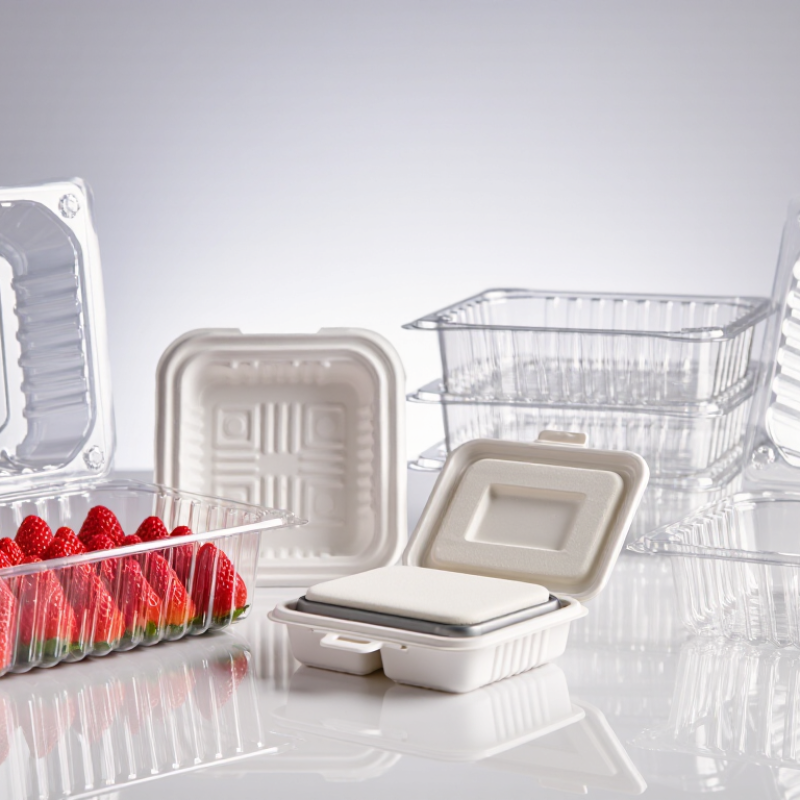
A plastic clamshell is a container with two connected halves, usually joined by a hinge. Many are thermoformed: a plastic sheet is heated, shaped over a mold, then cooled. The finished pack may use PET, recycled PET, or polypropylene, depending on the product and design. Small locking tabs hold the lid shut; some packs use a heat seal for added security. A berry container’s vents can release moisture, while its clear walls let shoppers inspect the fruit. That matters. Clamshells also protect delicate goods from bumps during handling, though a bulky pack can use more material than the product needs.
Recycling depends on local collection and sorting systems, not just the plastic resin. The U.S. EPA’s 2018 Advancing Sustainable Materials Management report recorded 14.5 million tons of plastic containers and packaging generated, with 1.9 million tons recycled. Those figures cover a broad category, not clamshells alone.
A clear container is not automatically recyclable where it is sold. Labels, mixed materials, dark colors, and small formats may complicate sorting. The awkward part: packaging that protects food can still be difficult to recover after use. Check local guidance, and look for a design made from one clearly identified material.
Key Materials, Designs, and Closure Types in 2026
For clear produce, bakery, and small-part packaging, PET is often the practical starting point: it shows contents well and can be made with recycled content. Check the intended local recycling stream before specifying a PET clamshell, because acceptance of thermoforms varies. Polypropylene can suit warmer-fill applications and resist repeated handling, but collection access is not universal. The Association of Plastic Recyclers’ design guidance emphasizes compatibility with sorting and recycling systems; a material label alone does not guarantee recyclability.
Geometry matters as much as resin. A shallow base with rounded corners can reduce trapped product and make stacking easier, while deep ribs may add stiffness but complicate nesting. Snap-fit closures are quick for workers and shoppers. A tear strip or breakaway tab gives visible evidence of opening, though it adds material and can leave sharp edges.
Eurostat’s 2024 packaging-waste release reports that the EU generated 36.1 kilograms of plastic packaging waste per person in 2022, with 40.7% recycled. That figure covers plastic packaging broadly, not clamshells specifically.
It still makes lightweight, separable designs worth testing. Not every design wins. Test closure force, hinge fatigue, and label separation on filled packs, not just empty samples.
How to Evaluate Clamshells for Protection, Cost, and Sustainability
A strong plastic clamshell should hold its product firmly without crushing it. Check the cavity depth, edge clearance, and hinge strength with the actual item, not a sample of similar size. A loose package can let parts shift; an overly tight fit may make opening difficult. Small details matter.
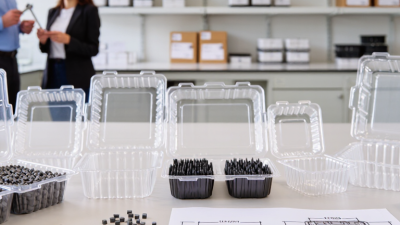
Test filled packages through stacking, handling, and a modest drop onto a hard floor. Look for cracked corners, popped closures, and scuffed product surfaces. One test is not proof of performance, but it can reveal weak spots early. Record what failed and under which conditions. Real shipping routes may be rougher than a neat test bench.
Compare total cost, not just the price per shell. Include freight, storage space, assembly time, damaged goods, and any tooling expenses. A lighter design may lower shipping costs, yet thin walls can increase breakage. That trade-off deserves a real trial. Sustainability needs similar scrutiny: consider material weight, recycled content, and whether local collection systems accept the package. “Recyclable” on paper does not guarantee recovery in practice. Ask suppliers for clear material specifications, then check them against local sorting guidance. I would not assume one material is always best; product protection and local recycling access vary. There is room to improve.
Best Clamshell Types for Different Products and Uses
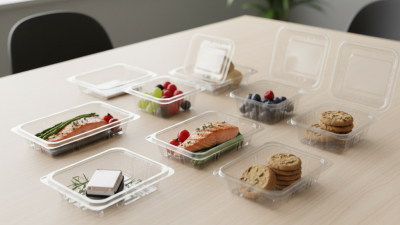
For berries, bakery items, and small produce, a hinged one-piece clamshell is easy to open and close. Choose shallow cavities for delicate fruit; deeper pockets help prevent bruising during delivery. Tiny vents can release moisture, but too many may dry cut produce. Fit matters. For sandwiches or heavier takeaway meals, a sturdier, flat-base design resists tipping and gives workers room to stack orders. Test the filled pack, not just an empty sample.
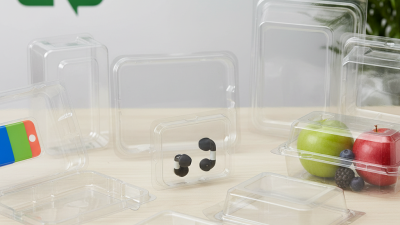
Retail electronics, hardware, and other small goods often need two-piece clamshells with a clear viewing area and secure edges. A tamper-evident seal can help show whether a package has been opened, though it may make access frustrating. The U.S. EPA’s 2018 materials report estimated that containers and packaging generated 82.2 million tons of municipal solid waste, or 28.1% of the total. That figure covers many materials, not clamshells alone, but it supports choosing only the material and wall thickness each product needs. Ask local recyclers whether they accept the specific plastic type; acceptance varies. Check closure strength, visibility, ventilation, and packing speed with real products. A package can look ideal on a screen and still crack at the hinge.
How to Choose the Right Plastic Clamshell for Your Needs
Choosing a plastic clamshell starts with the product, not the container’s appearance. Measure its length, width, and height, including any toppings or uneven edges. Leave enough room to close the lid without crushing the contents. That small gap matters.
For delicate items, look for a shape that limits movement during transport. A berry pack, for example, may need airflow and a base that keeps fruit from shifting. Check hinge flexibility, closure strength, and whether stacked samples stay stable. A sample test helps. Open and close it several times; a stiff hinge can slow packing, while a weak latch may pop open. Neither problem is obvious in a product photo.
Consider how the package will be filled, displayed, and stored. Clear plastic can help shoppers inspect contents, but glare or condensation may reduce visibility. Match the clamshell’s size to your shelf space and shipping cartons, then test it on your actual packing line if possible. Also ask for material and food-contact documentation when relevant. Specifications can vary by material and intended use, so confirm details with the supplier rather than assuming two similar-looking packs perform alike. I’d still allow room for a second test; real products rarely sit as neatly as samples.