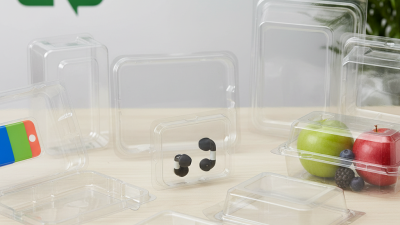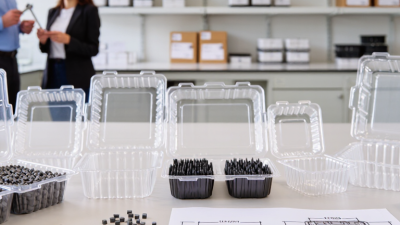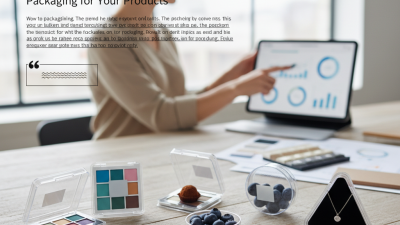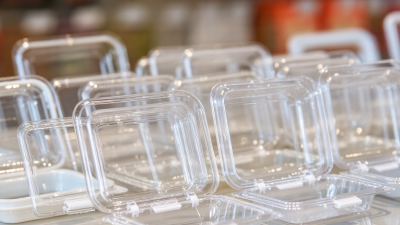
Plastic clamshell packaging is easy to recognize: clear hinged shells, molded trays, and retail packs that let shoppers inspect a product before opening it. For Chinese buyers, choosing a supplier involves more than comparing unit prices. Tooling quality, material consistency, sample approval, production capacity, and shipping protection all matter. Small flaws can travel far: a weak hinge or cloudy finish may affect an entire retail run.
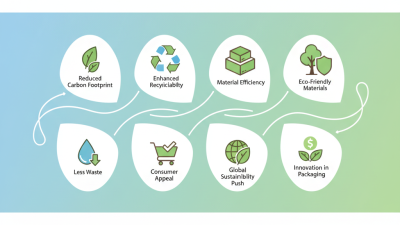
The environmental context deserves equal attention. The OECD’s 2022 Global Plastics Outlook estimates that packaging accounted for 40% of global plastic waste in 2019. That figure covers packaging broadly, not clamshells alone. It is still a useful reminder to ask suppliers about material choices, recycled content, and realistic end-of-life options. Ellen MacArthur, founder of the Ellen MacArthur Foundation, has described the circular-economy goal as “restorative and regenerative by design.” For packaging buyers, that principle raises practical questions about design and recovery—not just resin type.
This guide examines ten plastic clamshell packaging suppliers in China and the details that can distinguish them. Expect comparisons of product range, customization, manufacturing capabilities, and export experience. No list can replace factory checks or independently verified samples. A polished catalog is not proof of consistent production. Use the shortlist as a starting point, then confirm specifications directly with each supplier.
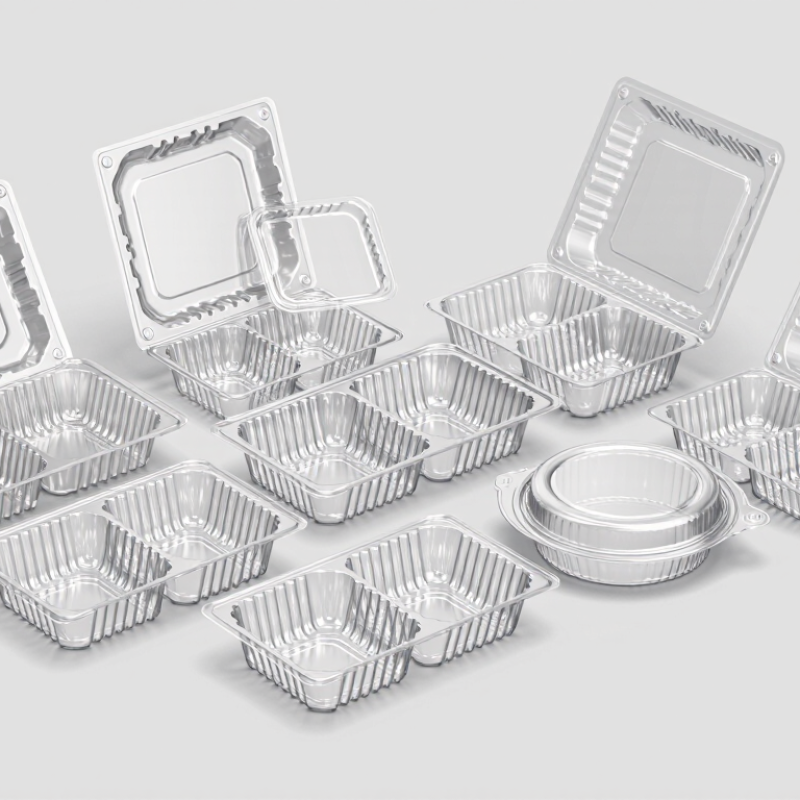
Plastic clamshell packaging is a clear plastic container formed from two hinged halves. One side holds the product; the other folds over it and closes with tabs, a rim, or a snap fit. It opens like a shell. The shape keeps items visible while creating a barrier against dust, handling, and light impacts.
You may see clamshells around small electronics, craft supplies, hardware, and fresh foods. Their transparent walls let shoppers inspect details without opening the pack. That visibility is useful, but glare and scratches can make a product harder to see. PET and PVC are common materials, while some designs use recycled plastic. Material choice affects clarity, stiffness, and how easily the pack can be formed. A tight closure helps keep contents in place, yet a pack that is too difficult to open can frustrate customers. It is a trade-off designers sometimes underestimate. Size matters, too: excess empty space adds bulk, while a close fit may press delicate items. The best design starts with the product’s weight, shape, and handling needs—not appearance alone.
China Top 10 Plastic Clamshell Packaging Suppliers?
How to Evaluate Plastic Clamshell Packaging Suppliers in China
Evaluate suppliers against your actual product and packing line, not just a catalogue photo. Share a drawing with dimensions, hinge position, wall thickness, and closure requirements. Ask which plastic grade they recommend and why. Compare sample fit, edge finish, visibility, and how securely the package closes. Request material specifications and batch traceability. Clear records make problems easier to investigate.
A polished sample can still hide inconsistent production. Request samples from a normal production run, then check several units for warping, sharp edges, and uneven seams. Run a small packing trial; note whether the clamshell opens smoothly and stays closed during handling. Ask how the supplier checks dimensions and handles rejected units. Lead time matters, too, but confirm whether it includes tooling and sample approval. These checks take time. They can still miss issues that appear only at higher volumes.
Tips: Measure samples with calipers and photograph any defects. Keep one approved sample as a reference. Ask for a written quote covering tooling, minimum order quantity, packing method, and delivery schedule. If a requirement is unclear, document your interpretation before production. I would not rely on verbal assurances alone.
China’s clamshell suppliers vary in tooling, materials, and production scale. These ten anonymous profiles are practical supplier types, not verified company endorsements.
A Pearl River Delta thermoformer may suit clear retail packs, with sample trays useful for checking lid fit. A Zhejiang producer might focus on food containers and offer several wall thicknesses. An eastern China packaging workshop could handle short runs, though unit costs may rise. A northern supplier may specialize in protective trays for electronics. An export-oriented factory might support custom colors and carton planning. Details matter.
A central China converter could offer basic designs with shorter domestic shipping routes. A coastal manufacturer may provide printed inserts alongside clear shells. A small custom-mold shop may adapt cavities quickly, but request tooling ownership terms. A high-volume plant may automate trimming and stacking; inspect edge consistency. A regional distributor with partner factories may simplify communication, yet production control can be less direct. Ask each candidate for recent samples, material specifications, lead times, and documented quality checks. Compare the actual sample, not just the quotation. Some profiles may overlap in practice.
Plastic clamshell packaging suppliers in China serve buyers across food, retail, electronics, and healthcare. Their product range commonly includes hinged containers, clear display packs, blister-style trays, and custom thermoformed inserts. A bakery might need a vented container for pastries, while a phone-accessory maker may prefer a snug tray that keeps cables visible. Produce growers often look for stackable packs with drainage openings. For small components, molded compartments can reduce movement during shipping.
Material and design choices shape the right fit. PET offers clarity for product display, while other plastics may suit different strength or cost needs. Food-contact applications require careful material verification with the supplier. Healthcare and electronics buyers may also request clean, protective packaging, but needs vary by product and market. A clear pack is not automatically the best pack. It can show scratches, and a tight hinge may be awkward for customers to open. Those details deserve a physical sample review.
Tips: Share product dimensions, weight, storage conditions, and target shelf display before requesting quotes. Ask for samples, confirm material specifications, and test the closure with the actual product inside. Check how containers stack and whether labels fit without covering key details. Small checks matter. Also ask about tooling costs and minimum order quantities; a custom design may not be practical for a short production run.
| No. | Supplier Capability Category | Common Clamshell Products | Typical Materials | Industries Served | Common Design Features |
|---|---|---|---|---|---|
| 1 | Fresh-produce packaging | Hinged produce containers and vented clamshells | PET; recycled PET where suitable and available | Berries, grapes, cherry tomatoes, and other fresh produce | Ventilation openings, stackable shapes, clear product visibility |
| 2 | Bakery packaging | Hinged containers for pastries, cookies, and cakes | PET; food-contact-suitable plastics selected for the application | Bakeries, supermarkets, and food-service distributors | Snap closures, display clarity, room for product decoration |
| 3 | Prepared-food packaging | Clear hinged containers for cold foods and grab-and-go items | PET and other plastics selected for the required use conditions | Delicatessens, takeaway counters, and prepared-food retailers | Easy-to-open lids, portion-oriented formats, stackable designs |
| 4 | Electronics packaging | Small clamshell packs and formed protective shells | PET, PVC, or other specified plastics, subject to product requirements | Consumer electronics, accessories, and small components | Product visibility, shaped cavities, tamper-evident or sealed formats |
| 5 | Hardware and fastener packaging | Hinged packs, compartmented packs, and retail clamshells | PET, PVC, and other plastics selected for strength and presentation | Fasteners, hand tools, plumbing parts, and DIY hardware | Formed compartments, hanging holes, secure closure options |
| 6 | Cosmetics and personal-care packaging | Display clamshells for accessories and boxed or shaped products | PET and other clear or printable plastics specified for the pack | Beauty accessories, grooming products, and personal-care items | Clear presentation, shaped inserts, retail hanging features |
| 7 | Medical and healthcare packaging | Formed trays and clamshell-style protective packs | Materials selected according to product, cleanliness, and regulatory requirements | Medical devices, healthcare components, and laboratory supplies | Product retention, protective cavities, controlled pack design |
| 8 | Automotive-component packaging | Custom formed clamshells and protective component trays | PET, PVC, or other specified thermoplastics | Automotive parts, electrical components, and aftermarket accessories | Part-specific cavities, separation features, visibility for inspection |
| 9 | Toy and hobby-product packaging | Display clamshells and formed packaging for small products | PET, PVC, and other plastics chosen for appearance and pack requirements | Toys, collectibles, craft supplies, and hobby accessories | Display visibility, shaped cavities, hanging or carded-pack options |
| 10 | Custom thermoforming and contract packaging | Made-to-order clamshells, trays, and hinged packs | Material specified by the buyer based on use, design, and compliance needs | Food, consumer goods, industrial parts, and retail products | Custom dimensions, tooling-dependent shapes, buyer-defined print or sealing options |
When comparing China’s plastic clamshell packaging suppliers, test the package with your actual product, not a showroom sample alone. Check dimensions, hinge strength, closure fit, stacking stability, and visibility after filling. Small details matter. Ask for material specifications, tolerances, quality-control records, and production lead times. Confirm whether the supplier can provide consistent samples across repeat orders, and clarify who pays for tooling changes. A low unit price may hide extra costs in freight, rejected batches, or line adjustments.
Sustainability claims also need evidence. The OECD’s Global Plastics Outlook reports that global plastic waste reached 353 million tonnes in 2019, while only 9% was ultimately recycled. That figure is not specific to clamshells, but it shows why material choice and local recycling access deserve scrutiny. Request clear information on resin composition, recycled content, and whether labels or mixed materials affect sorting. Not always easy. Compare suppliers using the same test conditions, including temperature, stacking time, and handling, then document the results. One weakness in this process is that short sample runs may not reveal variation at full production scale; consider a pilot order before committing to long-term volumes.
These suggested weights provide a comparison framework, not a ranking of actual suppliers. Adjust them to your product and verify food-contact documentation, quality records, material specifications, tooling terms, capacity, lead times, and quoted costs.