How to Choose an Automatic Tray Sealing Machine in 2026?
Choosing an automatic tray sealing machine in 2026 requires more than comparing prices. The right equipment must match your tray material, product type, output target, and available floor space. It should also suit your sealing film, gas-flushing needs, and cleaning routine. In real production, small differences quickly become costly. A clean seal, for example, can protect freshness and reduce rejected packs. Minor film wrinkles can cause leaks, waste, and uncomfortable conversations with customers. Small details matter.
This guide examines the practical decisions behind a reliable purchase. It considers sealing speed, temperature control, tool changes, automation, energy use, and operator safety. It also looks at maintenance access and after-sales support, which are often overlooked during demonstrations. Claims from suppliers need careful checking. Ask for sample trials using your actual trays and products. Review sealing results after transport and storage, not only immediately after production. A factory visit can reveal noise, workflow problems, and cleaning challenges that brochures hide.
Yet no machine fits every factory perfectly. Maybe that is the uncomfortable part. Your decision should include realistic weaknesses, not only impressive specifications. Check whether the machine handles your busiest shift without constant adjustment. Confirm spare-part availability and service response times. Inspect the control interface with your operators, not just your engineering team. Evaluate total ownership cost over several years. The best choice balances performance, reliability, compliance, and practical experience. Not the machine with the longest feature list.
What Is an Automatic Tray Sealing Machine?
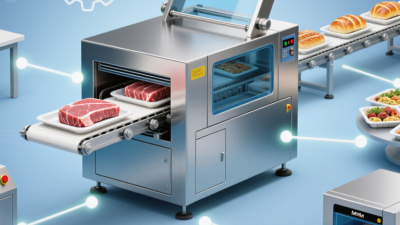
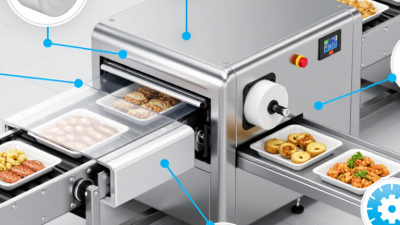
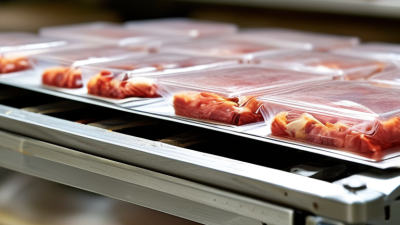
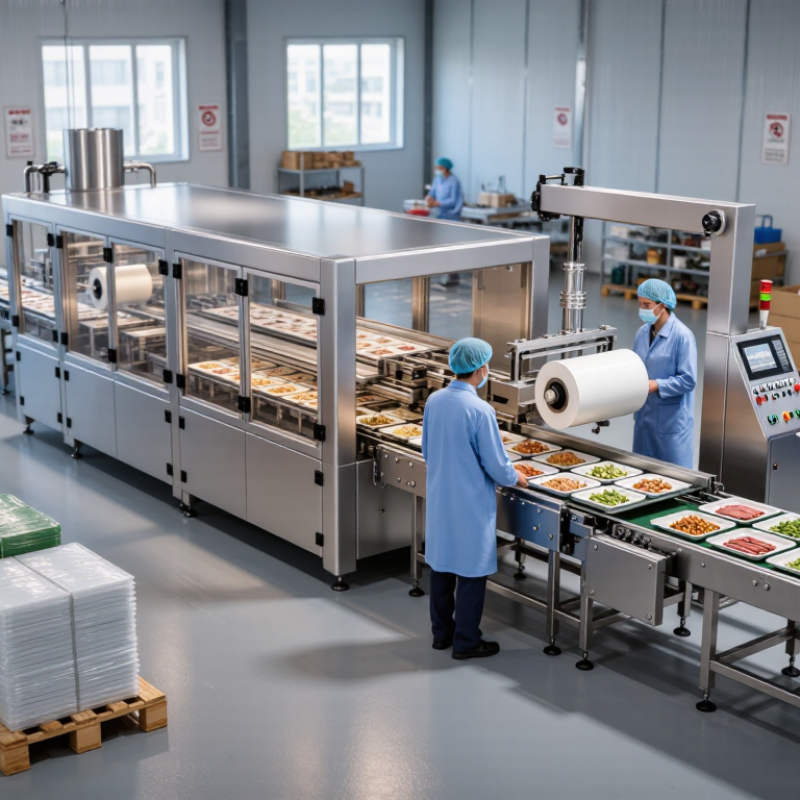
An automatic tray sealing machine packages food in preformed trays using sealing film. It may load trays, remove air, add gas, seal, cut, and discharge them automatically. The exact process depends on the product and tray material. Fresh meat, prepared meals, seafood, and produce may require different sealing conditions. The machine is not simply a faster lid. It controls temperature, pressure, timing, and film alignment.
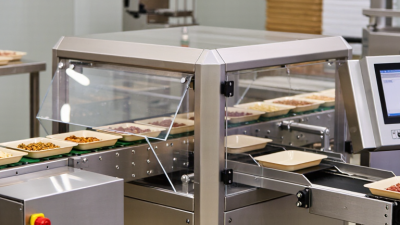
When choosing one in 2026, check its real production capacity instead of trusting a headline speed. Ask for tests using your actual trays, film, portion sizes, and product temperature. A useful trial should measure seal strength, leakage, film waste, and changeover time. Operators should adjust settings through a clear control panel. They also need safe access for cleaning and routine inspection. Small details matter. A difficult-to-clean frame can increase downtime and hygiene risks.
Look closely at the sealing tools and sensors. They should support stable results across different shifts. Confirm the machine’s electrical requirements, spare-part availability, training, and maintenance procedures before purchase. In my experience, buyers often focus on output and overlook film handling. That can be a costly mistake. A faster machine may perform poorly with soft products or uneven tray rims. Performance claims also need independent verification. Packaging conditions change, and one successful test does not prove long-term reliability.
Which Tray Materials and Sizes Should You Support?
When choosing an automatic tray sealing machine in 2026, define the trays before comparing machine speeds. In production trials, I check the tray’s rim, material, depth, and sealing layer. PP suits many chilled and microwave applications, while PET offers clarity and stiffness. CPET supports higher-temperature use, but it may require different sealing conditions. Aluminum trays need compatible tooling and careful pressure control. Material names alone are not enough. The sealant layer decides performance.
Support common footprints, such as 190×137 mm, 227×178 mm, and 325×265 mm, only when demand justifies them. Dimensions vary between suppliers, even when labels look identical. Measure actual length, width, flange width, corner radius, and depth. A 2 mm mismatch can create weak corners or poor film tracking. Keep samples from every approved supplier. That habit has saved more than one commissioning test.
Choose a machine with interchangeable molds, recipe storage, and controlled temperature, pressure, and dwell time. Servo-driven indexing can improve repeatability, but it cannot fix poor tray tolerances. Test the smallest and deepest trays at real line speed. Include chilled, oily, or sauced products, because clean laboratory samples can mislead. I once favored maximum flexibility and underestimated changeover time. More formats sounded efficient, but operators needed longer adjustments. A narrower tray range may deliver better uptime, lower tooling costs, and more consistent seals. Verify food-contact materials, guarding, and documentation with qualified local specialists.
How to Choose an Automatic Tray Sealing Machine in 2026? - Which Tray Materials and Sizes Should You Support?
Use this comparison to define the tray materials, sealing conditions, and tray formats that an automatic tray sealing machine should support. Temperature ranges are typical starting points only; final settings depend on the tray, lidding film, coating, sealant layer, product, and sealing-tool design.
1. Tray Material Compatibility
| Tray Material |
Typical Applications |
Typical Sealing-Temperature Starting Range |
Key Advantages |
Selection Considerations |
| PP (Polypropylene) |
Chilled meals, ready-to-eat food, salads, dairy products |
Approximately 160–210°C |
Good heat resistance; suitable for microwave applications when the complete pack is designed for it |
Confirm PP grade, tray rigidity, lidding-film sealant, and hot-fill or reheating requirements |
| PET / APET |
Cold foods, bakery products, produce, display packaging |
Approximately 150–190°C |
Good clarity and presentation; commonly available in recyclable packaging structures |
Usually not selected for high-temperature cooking; check seal strength and crystallinity requirements |
| CPET |
Frozen meals, ovenable ready meals, prepared foods |
Approximately 180–220°C |
High temperature resistance and dimensional stability |
Requires a suitable high-temperature lidding film and accurate heat distribution |
| PS / HIPS |
Cold foods, desserts, bakery items, short-shelf-life products |
Approximately 140–180°C |
Easy forming and relatively low material cost |
Lower heat resistance than PP or CPET; verify regulatory and recycling requirements in the target market |
| Aluminum |
Dairy products, pâté, shelf-stable and heat-processed foods |
Approximately 180–230°C |
Excellent barrier against light, oxygen, and moisture; good heat conductivity |
Requires a compatible lacquer or sealant layer and careful control of pressure, dwell time, and tooling |
| Paperboard with Barrier Coating |
Takeaway meals, bakery products, prepared foods, fiber-based packaging |
Approximately 140–200°C |
Lower plastic content potential and strong visual appeal |
Coating type, moisture resistance, flange flatness, and fiber compression can significantly affect sealing performance |
2. Recommended Tray Size Coverage
| Tray Format |
Typical Outside Dimensions
(L × W × H) |
Common Product Uses |
Recommended Machine Capability |
Important Checks |
| Small Single-Serve |
120–180 × 80–140 × 25–60 mm |
Dips, desserts, snacks, side dishes |
Interchangeable tooling and reliable registration for compact trays |
Check minimum tray pitch, film tracking, and product-clearance space |
| Standard Meal Tray |
180–250 × 130–190 × 35–70 mm |
Ready meals, salads, pasta, meat and vegetable dishes |
Support for multiple cavities and optional gas flushing or vacuum operation |
Confirm usable sealing area, tray nesting, and maximum product height |
| Large Family-Size |
250–350 × 180–260 × 40–85 mm |
Family meals, large salads, catering portions |
Higher sealing force, stronger tray support, and adequate film-roll capacity |
Evaluate cycle time, lifting force, sealing-plate flatness, and conveyor load |
| Deep Tray |
150–300 × 100–220 × 70–120 mm |
Soups, high-volume meals, meat portions, produce |
Extended vertical clearance and tooling designed for deep-drawn or deep-formed trays |
Check evacuation performance, product splash risk, film contact, and demolding space |
| Multi-Compartment |
180–300 × 130–220 × 30–75 mm |
Complete meals with separate side dishes or sauces |
Accurate tray positioning and uniform sealing around internal dividers |
Test seal continuity at corners, divider intersections, and narrow flange sections |
| Rectangular Catering Tray |
300–500 × 200–350 × 40–100 mm |
Institutional food, catering, wholesale packs |
Large-format sealing station with reinforced frame and suitable handling equipment |
Confirm maximum tool area, film width, machine footprint, and operator access |
3. Machine Specification Checklist
| Data Dimension |
Suggested Support Range or Feature |
Why It Matters |
Validation Method |
| Tray Length |
Approximately 120–500 mm, depending on the target market |
Determines tooling size, film width, and achievable output |
Test the shortest and longest planned trays using production tooling |
| Tray Width |
Approximately 80–350 mm |
Affects cavity layout, machine width, and film consumption |
Confirm maximum usable sealing area rather than only external machine dimensions |
| Tray Height |
Approximately 25–120 mm |
Controls product clearance, tooling depth, and evacuation performance |
Measure the filled tray, including product peaks and headspace requirements |
| Sealing Control |
Adjustable temperature, pressure, and dwell time with recipe storage |
Different materials and coatings require different sealing windows |
Run seal-integrity, peel, burst, and visual inspection tests |
| Atmosphere Function |
Optional vacuum, gas flushing, or modified-atmosphere packaging |
Supports shelf-life and product-protection objectives where validated |
Measure residual oxygen and confirm the package format with a shelf-life study |
| Changeover |
Tool-less or low-tool changeover with clearly marked format settings |
Reduces downtime when several tray sizes or materials are used |
Time a complete format change, including cleaning and first acceptable pack |
| Hygiene and Safety |
Food-grade contact surfaces, cleanable construction, guarding, and interlocks |
Supports safe operation and efficient sanitation |
Review the cleaning procedure and applicable local food-safety requirements |
Practical recommendation: Select a machine around the widest expected tray, deepest expected product, and most demanding sealing material—not only the current production format. Always validate the complete tray-and-lidding-film combination with actual products before final equipment approval.
How to Compare Sealing Methods and Machine Configurations
How to Choose an Automatic Tray Sealing Machine in 2026?
Choosing a tray sealing machine starts with the product, not the brochure. In production trials, heat sealing usually offers simple operation and consistent results. Modified-atmosphere packaging adds gas flushing and needs tighter control. Vacuum skin sealing can improve appearance and product protection. It may also require slower cycles and more precise tooling. Compare seal strength, oxygen control, film use, and changeover time. A method that looks efficient may create hidden waste.
Machine configuration matters just as much. Inline machines suit steady, high-volume lines with enough floor space. Rotary machines can provide compact layouts and flexible loading. Single-lane systems simplify maintenance. Multi-lane systems increase output but demand better alignment. Check whether the machine supports automatic film tracking, recipe storage, and tool changes. Good sensors should detect tray position, film errors, and incomplete seals. Do not pay for features your operators will rarely use.
Test real trays.
Run trials with your actual food, film, and storage conditions. Record cycle speed, seal temperature, pressure, and rejection rates. Inspect corners carefully. Small wrinkles often become leaks later. Ask for cleaning access and spare-part details before purchasing. I once valued speed too highly and underestimated changeover delays. That mistake changed my evaluation method. Now, I compare total operating effort, not only advertised output. A clear test report is more reliable than a polished demonstration.
Which Performance, Safety, and Hygiene Features Matter?
How to Choose an Automatic Tray Sealing Machine in 2026?
Which Performance, Safety, and Hygiene Features Matter?
Performance should begin with stable sealing, not impressive brochure speed. A reliable machine controls tray positioning, film tension, temperature, and sealing pressure. Servo-driven systems can improve repeatability during long production runs. Ask for verified cycle data using your actual tray material and product. PMMI’s 2024 State of the Industry report identifies labor availability, uptime, and automation as major packaging priorities. Therefore, simple changeovers matter. Tool-free adjustments can reduce downtime between tray sizes. I would not trust speed claims without checking seal strength, reject rates, and cleaning time.
Safety and hygiene deserve equal attention. WHO estimates that contaminated food causes 600 million illnesses and 420,000 deaths worldwide each year. A tray sealer should include guarded moving parts, door interlocks, emergency stops, and clear lockout procedures. Hygiene features should include sloped stainless-steel surfaces, accessible sealing areas, drainable frames, and minimal product traps. The FDA Food Code emphasizes cleanable food-contact surfaces and effective sanitation controls. Check whether operators can remove film scraps without touching sensitive components. Small details matter.
Do not overlook leak detection. It can reveal weak seals before products leave the facility. IP-rated electrical enclosures may help in washdown areas, but ratings alone do not guarantee hygienic design. Request documented test results, cleaning instructions, and operator training records. A cheaper machine may perform well initially. Its hidden changeover and sanitation costs could be much higher. My practical concern is often overlooked: the best specification still fails when operators cannot clean or adjust it comfortably.
How to Evaluate Costs, Maintenance, and Supplier Support
When choosing an automatic tray sealing machine in 2026, purchase price should not lead the decision. Calculate the total cost of ownership over five years. Include tooling, electricity, film waste, labor, software updates, and spare parts. A low-cost machine may require custom components that cost more later. Look beyond price.
Ask suppliers for realistic output figures, not only laboratory results. Request a trial using your actual trays, product texture, and sealing film. Measure cycle time, seal strength, product changeover, and rejected packs. A machine running 25 cycles per minute may perform differently with wet sauces or uneven filling. That difference affects daily profit. Small assumptions can become expensive.
Maintenance details deserve equal attention. Check whether operators can remove sealing plates, clean sensors, and replace heating elements safely. Ask for a preventive maintenance schedule with estimated labor hours. Downtime is expensive. Confirm critical spare-part availability, technical training, remote diagnostics, and on-site response times. Supplier support should include clear escalation procedures and written service terms. Contact existing users, and ask about delayed repairs, not just successful installations. Those conversations often reveal more than a polished demonstration.
Reliable suppliers should document factory testing, calibration methods, warranty limits, and operator training. They should also explain what happens when performance falls below specification. No evaluation is perfect. Your production conditions may change after installation, so leave budget and floor space for adjustments. A careful decision combines verified machine data with honest questions about maintenance and support.